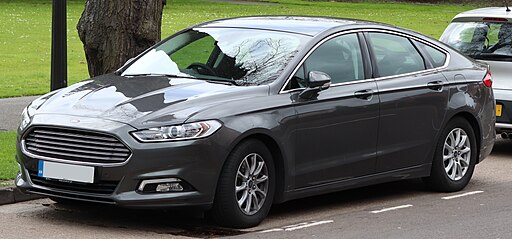
Ford Mondeo faults
1. Engine Problems
1.1. Diesel Engine Issues
- Symptoms: Power loss, engine stalling, or difficulty starting.
- Cause: EGR (Exhaust Gas Recirculation) valve clogging or turbocharger failure.
- Impact: Reduced performance and increased emissions, requiring costly repairs if left untreated.
1.2. EcoBoost Engine Overheating
- Symptoms: Coolant loss, overheating, or engine failure.
- Cause: Known coolant system defects, including leaks or inefficient circulation in some EcoBoost engines.
- Impact: Potential for significant engine damage if overheating persists.
1.3. Timing Belt Wear
- Symptoms: Ticking noise from the engine or timing issues.
- Cause: Timing belt degradation in older models.
- Impact: Can lead to catastrophic engine failure if not replaced at the recommended intervals.
2. Transmission and Clutch
2.1. Powershift Automatic Transmission Problems
- Symptoms: Jerky gear changes, hesitation, or transmission failure.
- Cause: Faulty dual-clutch system and inadequate lubrication in early models.
- Impact: Expensive repairs, often requiring clutch packs or mechatronic unit replacement.
2.2. Manual Clutch Wear
- Symptoms: Slipping clutch, difficulty engaging gears, or a burning smell.
- Cause: Premature wear in higher-mileage models.
- Impact: Requires clutch replacement, especially in vehicles frequently used in stop-start traffic.
3. Electrical and Software Faults
3.1. Dashboard and Instrument Cluster Issues
- Symptoms: Flickering lights, malfunctioning gauges, or complete cluster failure.
- Cause: Poor electrical connections or software glitches.
- Impact: Reduces driver confidence and may mask other issues.
3.2. Infotainment System Problems
- Symptoms: Frozen screens, unresponsive touch controls, or audio malfunctions.
- Cause: Software bugs or hardware failure in the SYNC system.
- Impact: Diminishes the driving experience and may require updates or module replacement.
3.3. Battery Drain
- Symptoms: Dead battery after short periods of inactivity.
- Cause: Faulty components like Bluetooth modules or alternators.
- Impact: Can leave the car unable to start unexpectedly.
4. Suspension and Steering
4.1. Worn Suspension Components
- Symptoms: Knocking noises, uneven tire wear, or poor ride quality.
- Cause: Degraded bushings, control arms, or anti-roll bars.
- Impact: Affects handling and requires replacement parts for a smoother ride.
4.2. Power Steering Issues
- Symptoms: Stiff or inconsistent steering feel.
- Cause: Faulty power steering pumps or leaks in the hydraulic system.
- Impact: Can reduce safety and requires immediate attention.
5. Bodywork and Trim
5.1. Rust
- Symptoms: Corrosion on the wheel arches, undercarriage, or door sills.
- Cause: Insufficient rust-proofing, especially in older models or vehicles exposed to salted roads.
- Impact: Aesthetic degradation and potential structural concerns if severe.
5.2. Water Leaks
- Symptoms: Damp carpets, water pooling in the cabin, or musty smells.
- Cause: Faulty door seals, blocked sunroof drains, or windshield leaks.
- Impact: Can damage the interior and cause electrical problems.
6. Fuel System Issues
6.1. Fuel Injector Problems
- Symptoms: Misfiring, rough idling, or black smoke from the exhaust.
- Cause: Clogged or failing fuel injectors, particularly in diesel models.
- Impact: Reduces fuel efficiency and increases emissions.
6.2. Fuel Pump Failures
- Symptoms: Difficulty starting, stalling, or loss of power during acceleration.
- Cause: Worn or malfunctioning fuel pumps.
- Impact: Can leave the vehicle undriveable until repaired.
7. Braking System Faults
7.1. Premature Brake Wear
- Symptoms: Squealing noise, reduced braking performance, or vibrations when braking.
- Cause: Subpar brake pads or uneven wear on the discs.
- Impact: Requires frequent replacements for optimal safety.
7.2. ABS System Malfunctions
- Symptoms: ABS warning light on the dashboard or loss of anti-lock braking function.
- Cause: Faulty ABS sensors or control modules.
- Impact: Compromises safety during emergency braking.
8. Exhaust System Issues
8.1. Exhaust Corrosion
- Symptoms: Increased engine noise or reduced performance.
- Cause: Rust in the exhaust system, especially on the backbox and pipes.
- Impact: May lead to exhaust leaks and failed emissions tests.
8.2. Diesel Exhaust Fluid (AdBlue) Problems
- Symptoms: Warning lights or the engine failing to start.
- Cause: Faulty sensors or low-quality AdBlue fluid.
- Impact: Can result in unnecessary repairs or reduced performance.
9. Air Conditioning and Climate Control
9.1. Air Conditioning Failure
- Symptoms: Inadequate cooling or strange noises from the AC unit.
- Cause: Compressor failure or refrigerant leaks.
- Impact: Reduces cabin comfort, especially in hot weather.
9.2. Blower Motor Issues
- Symptoms: Weak airflow or inconsistent fan operation.
- Cause: Blower motor resistor failure.
- Impact: Can make heating or cooling the cabin difficult.
Conclusion
The Ford Mondeo is a versatile and spacious vehicle that has been a favorite among families and professionals alike for decades. However, like any car, it comes with its share of known issues. Prospective buyers should pay close attention to common faults, particularly with the engine, transmission, and electrical systems. Investing in a thorough pre-purchase inspection and ensuring a comprehensive service history can go a long way in avoiding costly repairs.
If well-maintained, the Mondeo offers excellent comfort, driving dynamics, and practicality, making it a reliable and rewarding choice in the used car market.
Ford Mondeo as a used car
The Ford Mondeo as a Used Car: A Comprehensive Guide
The Ford Mondeo has long been a stalwart of the family car market, offering a combination of practicality, comfort, and engaging driving dynamics. First introduced in 1993, the Mondeo quickly became a favorite among drivers looking for an affordable yet capable midsize sedan or estate. With multiple generations offering various trims, engines, and features, the Mondeo remains a strong contender in the used car market. However, as with any second-hand vehicle, potential buyers must weigh its advantages against common issues. This guide explores everything you need to know about the Ford Mondeo as a used car.
Why Choose a Ford Mondeo?
1. Spacious and Comfortable Interior
The Mondeo is renowned for its spacious cabin, making it an excellent choice for families. Ample legroom in both the front and rear seats ensures passenger comfort, while the large boot (especially in estate versions) offers plenty of room for luggage, shopping, or equipment.
2. Engaging Driving Dynamics
Unlike many cars in its class, the Mondeo delivers a driving experience that rivals sportier models. Its sharp steering, responsive handling, and composed ride make it enjoyable on twisty roads and motorways alike. Ford has consistently prioritized driving enjoyment, and the Mondeo exemplifies this philosophy.
3. Broad Range of Engines
The Mondeo has been offered with a wide selection of petrol, diesel, and hybrid engines across its generations. Diesel engines are particularly popular for their impressive fuel economy and long-distance comfort, while EcoBoost petrol engines provide spirited performance. Hybrid versions offer lower emissions and reduced running costs, making them ideal for urban commuters.
4. Affordable Pricing
As a used car, the Mondeo represents excellent value for money. Its depreciation works in favor of second-hand buyers, allowing them to acquire a well-equipped model for a fraction of its original price.
5. Extensive Features
High-spec Mondeo trims often come loaded with features, including heated seats, dual-zone climate control, adaptive cruise control, and Ford’s SYNC infotainment system. Modern safety systems, such as lane-keeping assist and autonomous emergency braking, are also available on newer models.
Common Faults and Known Issues
While the Ford Mondeo is a reliable vehicle overall, there are some well-documented issues that buyers should be aware of:
1. Engine Problems
- Diesel Engine Issues: Many diesel Mondeos suffer from clogged Diesel Particulate Filters (DPFs), especially if the car is primarily used for short trips. Symptoms include reduced power and dashboard warning lights.
- EcoBoost Engine Overheating: Certain EcoBoost engines are prone to coolant leaks, which can lead to overheating and severe engine damage if not addressed.
- Timing Belt Wear: In higher-mileage models, timing belts may need replacement. Failure to replace the belt at the recommended intervals can result in catastrophic engine damage.
2. Transmission and Clutch
- Powershift Automatic Transmission: Early Powershift gearboxes are known for issues such as jerky shifts, hesitation, and complete failure due to faulty dual-clutch mechanisms. Regular servicing is crucial to avoid expensive repairs.
- Manual Clutch Wear: Mondeos with manual gearboxes may experience clutch wear, particularly in models used for city driving or towing.
3. Electrical Issues
- Dashboard and Instrument Cluster Glitches: Some Mondeos experience problems with dashboard lights, unresponsive gauges, or complete instrument cluster failures.
- SYNC Infotainment System: Software bugs and frozen screens are common complaints with the SYNC infotainment system. Updates or module replacements may be necessary.
- Battery Drain: Parasitic battery drain caused by faulty components like the Bluetooth module can lead to starting issues.
4. Suspension and Steering
- Suspension Wear: Components such as bushings, control arms, and anti-roll bars are prone to wear, especially in higher-mileage models. This can result in clunking noises or a less comfortable ride.
- Power Steering Issues: Some Mondeos experience power steering pump failure or leaks in the hydraulic system, leading to stiff or inconsistent steering.
5. Body and Trim
- Rust: Rust is a concern on older Mondeos, particularly around the wheel arches, sills, and undercarriage. Proper inspection is essential when buying older models.
- Water Leaks: Poor door seals, clogged sunroof drains, and windshield leaks can lead to water ingress, damaging the interior and potentially causing electrical faults.
Generational Overview
Third Generation (2007–2014)
This generation offered improved refinement, a larger interior, and a range of efficient engines. However, Powershift transmission problems and rust on earlier models are concerns. High-mileage diesel models may also have DPF issues.
Fourth Generation (2014–Present)
The fourth-gen Mondeo introduced modern styling, advanced safety features, and hybrid powertrains. It’s more refined than its predecessor, though EcoBoost engine overheating and SYNC system glitches have been reported.
What to Look for When Buying a Used Mondeo
- Service History: A full service history is vital, especially for diesel models with DPF systems and EcoBoost engines prone to overheating.
- Check for Rust: Inspect wheel arches, door sills, and the undercarriage for signs of corrosion.
- Test Drive: During the test drive, look for smooth shifting (if automatic), listen for suspension noises, and check that all electronics function properly.
- Mileage: High-mileage diesel models may require additional maintenance, such as timing belt replacements and DPF cleaning.
- Infotainment and Electronics: Test the SYNC system, air conditioning, and dashboard functions to identify any electrical issues.
Pros and Cons of the Ford Mondeo as a Used Car
Pros
- Spacious interior and large boot, ideal for families.
- Excellent driving dynamics for a car in its class.
- Wide range of engines and trims to suit various needs.
- Good value for money in the used car market.
Cons
- Known issues with Powershift transmission and EcoBoost engines.
- Electrical glitches in older models.
- Potential rust problems in earlier generations.
Conclusion: Is the Ford Mondeo a Good Used Car?
The Ford Mondeo is a strong choice for those seeking a practical, spacious, and fun-to-drive midsize car. Its combination of comfort, features, and affordability makes it a great value in the used car market. However, buyers should conduct thorough inspections and choose models with a documented maintenance history to avoid common issues.
If you prioritize practicality, driving enjoyment, and value for money, the Mondeo is a solid contender as a used car. With proper care and attention, it can serve as a dependable and enjoyable vehicle for years to come.
.jpg)