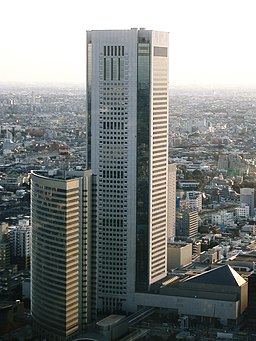
Tokyo Opera City Tower
Tokyo Opera City Tower stands as an iconic symbol of modern architecture and urban sophistication in the heart of Tokyo. Rising majestically in the Roppongi district, this multifunctional skyscraper is an integral part of the Tokyo Opera City complex, which blends cultural, commercial, and office spaces into one dynamic urban center. Its innovative design and engineering excellence have not only redefined the skyline but also set new benchmarks for sustainable and adaptable high-rise structures.
Historical Development and Concept
Conceived in the mid-1990s as part of an ambitious urban redevelopment initiative, Tokyo Opera City Tower was designed to reinvigorate the Roppongi area and serve as a cultural beacon for the city. The project was driven by a vision to combine world-class art, performance venues, and modern business facilities under one roof. Over the years, the tower has become synonymous with creativity and progress, hosting a wide array of events and serving as the headquarters for various leading enterprises. Its construction marked a turning point in Tokyo’s architectural evolution, embracing both high-technology and sustainable design principles.
Architectural and Structural Design
The tower’s sleek and futuristic design is the result of a harmonious collaboration between renowned architects and structural engineers. The exterior façade features a combination of glass, steel, and concrete elements that create a dynamic interplay of light and shadow. The curvilinear lines and sharply defined edges not only enhance its visual appeal but also contribute to its structural integrity. Designed to withstand the seismic challenges of the Tokyo region, the tower incorporates advanced damping systems and reinforced construction techniques to ensure both safety and longevity.
The building’s footprint is optimized to maximize natural light and air circulation throughout the interior spaces. Large panoramic windows extend along most floors, offering breathtaking views of the city while reducing the need for artificial lighting. The integration of green spaces and reflective materials further enhances energy efficiency and thermal performance.
Technical Parameters
Tokyo Opera City Tower is a marvel of modern engineering. Its technical parameters reflect a perfect balance between functionality, aesthetic appeal, and sustainability:
- Height and Floors: The tower rises to approximately 180 meters (590 feet) and comprises 55 stories, each designed to serve different functions—from office spaces and cultural facilities to retail outlets and event venues.
- Structural System: A reinforced concrete core complemented by a steel-framed lateral support system ensures high resilience against seismic activity. The innovative use of outriggers and a tuned mass damper system minimizes swaying and enhances occupant comfort during earthquakes.
- Facade and Glazing: The exterior envelope features high-performance double-glazed glass panels with low-emissivity coatings, designed to optimize natural daylight while minimizing solar heat gain. This contributes significantly to the building’s energy efficiency.
- Vertical Transportation: With a network of high-speed elevators capable of moving up to 20 floors per minute, the tower ensures rapid and efficient circulation for thousands of daily visitors and occupants.
- Sustainability Measures: Energy-efficient HVAC systems, rainwater harvesting, and smart building management systems are integrated to monitor and control energy use, water consumption, and overall building performance. The tower’s design meets rigorous environmental standards and contributes to reduced carbon emissions.
Interior Layout and Facilities
Inside Tokyo Opera City Tower, the layout is as thoughtfully designed as the exterior. The building houses a diverse mix of spaces that include:
- Cultural Facilities: At its core is a state-of-the-art opera house and concert hall, which host international performances, art exhibitions, and cultural events. These spaces are equipped with advanced acoustical engineering and flexible seating arrangements.
- Commercial and Office Spaces: Modern office floors offer a dynamic working environment for global corporations, creative startups, and financial institutions. Open-plan workspaces, collaborative areas, and premium boardrooms are designed with flexibility and productivity in mind.
- Retail and Dining: The lower levels feature a vibrant mix of high-end retail outlets, gourmet restaurants, and cafes that cater to both local residents and international visitors. The integration of commercial amenities adds to the tower’s appeal as a lifestyle destination.
- Public Amenities: Lobby areas, exhibition halls, and meeting rooms are designed to foster community engagement and creative exchanges. These spaces are adaptable for conferences, seminars, and large-scale public events.
Impact on Urban Environment and Cultural Significance
Tokyo Opera City Tower is more than just a high-rise structure; it is a catalyst for urban transformation. The tower has become a landmark in Tokyo, contributing to the revitalization of Roppongi and drawing tourists, investors, and cultural enthusiasts alike. Its integration of artistic expression and commercial dynamism epitomizes Tokyo’s forward-thinking spirit. As a hub for creativity and innovation, the tower plays a pivotal role in shaping the city’s identity and its future as a global metropolis.
Future Prospects and Upgradability
In keeping with its modern design philosophy, Tokyo Opera City Tower was built with the future in mind. Its modular design and advanced building management systems allow for seamless integration of new technologies. Whether it’s the adoption of next-generation energy solutions, smart building sensors, or advanced communication networks, the tower is well-positioned to evolve with the demands of urban living in the 21st century.
Conclusion
Tokyo Opera City Tower stands as a testament to architectural innovation and engineering excellence. Its striking design, robust technical parameters, and multifaceted functionality make it a cornerstone of Tokyo’s urban landscape. From its seismic resilience and energy-efficient systems to its versatile interior spaces and cultural impact, every aspect of the tower reflects a commitment to creating a sustainable, vibrant, and forward-looking urban environment. As Tokyo continues to grow and evolve, Tokyo Opera City Tower remains a symbol of the city’s enduring dedication to blending tradition with modernity, offering a dynamic space where business, art, and culture converge.
