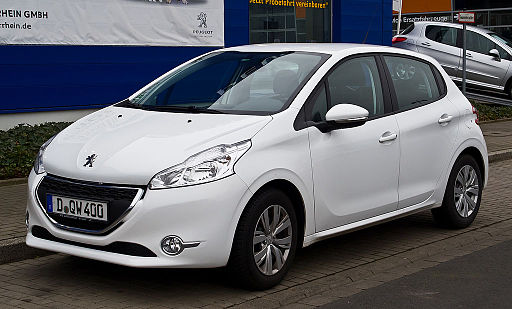
Peugeot 208 faults
Here’s a roundup of the most frequently reported faults on the Peugeot 208:
- Interior touchscreen/infotainment glitches (freezing, delayed response, random shutdowns)
- Gearbox/transmission issues (jerky or crunchy shifts, slipping into gears)
- Engine oil-pressure warnings and timing-belt faults (low oil pressure errors, belt failure risk)
- Diesel particulate filter (DPF)/AdBlue system failures (clogged FAP, injector faults)
- Stop-start system not engaging or cutting out unexpectedly
- Excessive oil consumption (high oil‐burn rate between services)
- Clutch wear (high biting point, early slipping)
- Front-end knocking or clunking (worn suspension joints, loose subframe bolts)
- Air-conditioning faults (grinding noise, poor cooling from low refrigerant or compressor failure)
- Thermostat/cooling-system failures (overheating or running too cold, erratic gauge readings)
- Electrical quirks (power-steering glitches, central-locking failures)
- Engine misfires, stalling or refusal to start
- Bonnet-latch malfunctions (difficulty opening/closing)
- Back-window seal leaks (water ingress around rubber surrounds)
- Chassis alignment drift (premature tyre wear, pulling to one side)
Peugeot 208 as a used car
Why Choose a Used Peugeot 208?
Opting for a used Peugeot 208 means embracing a hatchback that balances French flair, efficient drivetrains, and a surprisingly engaging drive. Whether you’re navigating crowded city streets or tackling longer commutes, the 208’s compact footprint, nimble handling, and wallet-friendly running costs make it a standout contender in the B-segment. Buying second-hand lets you enjoy attractive trim levels and premium features at a fraction of the new-car sticker price, with depreciation already absorbed by the first owner.
Overview of the Peugeot 208
First Generation (2012–2019)
The debut 208 replaced the long-running 207 with lighter architecture, sharper styling, and improved driving dynamics. Wheelbases stayed similar, but thanks to weight savings of up to 173 kg, the first-gen 208 feels sprightlier in corners and more fuel-efficient on the open road. Interiors introduced Peugeot’s trademark i-Cockpit: a small steering wheel, elevated centre console, and compact instrument display designed to improve ergonomics and driver focus.
Second Generation (2019–Present)
The second-gen 208 ushers in a fully redesigned platform shared with the Opel Corsa, boasting enhanced torsional rigidity (+30 percent) and a lower centre of gravity. At the front, slim LED “claw” headlights and a wide, gloss-black grille give it a modern, aggressive stance. Inside, cabins received a full digital upgrade—10-inch instrument clusters, HD touchscreen infotainment, and customizable ambient lighting. The second-gen also introduced the fully electric e-208, broadening your used-car options.
Technical Specifications
Petrol Engines
- 1.2 L PureTech 75: Three-cylinder, 75 hp, 118 Nm. Frugal around 4.2 L/100 km combined, ideal for urban runs.
- 1.2 L PureTech 100: 100 hp, 205 Nm torque (with three-cylinder turbo). Delivers brisk 0–100 km/h in ~10 seconds and approx. 4.5 L/100 km.
- 1.2 L PureTech 130: Tuned to 130 hp, 230 Nm. Paired exclusively with an 8-speed automatic for smoother overtakes and highway cruising in ~8.9 seconds to 100 km/h.
Diesel Engines
- 1.5 L BlueHDi 100: Four-cylinder, 100 hp, 250 Nm. Outstanding midrange punch, sub-100 g/km CO₂ emissions, and fuel consumption under 3.7 L/100 km. Particularly economical on longer runs—but pricier front-end wear parts can offset some savings in ownership.
Electric Version (e-208)
- Battery & Motor: 50 kWh lithium-ion battery; 100 kW (136 hp) electric motor; 260 Nm torque.
- Range & Charging: Real-world WLTP range ~330 km. 100 kW DC fast-charging: 10–80 percent in ~30 minutes; 7.4 kW AC wallbox: full charge in ~7.5 hours.
- Drivability: Instant torque delivery, whisper-quiet cabin, one-pedal driving mode, plus regenerative braking that recovers up to 15 kW.
Transmission Options
- 5-Speed Manual: Standard on entry-level PureTech 75—uncomplicated and lightweight.
- 6-Speed Manual: Mated to PureTech 100 and BlueHDi 100; well-spaced ratios for balanced economy and performance.
- 8-Speed EAT8 Automatic: Exclusive to PureTech 130; renowned for seamless shifts but slightly heavier.
Chassis and Suspension
- MacPherson Struts front, Torsion Beam rear. Tuned for comfort in base trims; sport-oriented setups in GT Line and GTi variants include stiffer dampers and lower ride height (–10 mm). Standard grip control or optional VersaGrip traction aids muddy surfaces.
Dimensions and Capacity
- Length: 3,973 mm (1st gen) / 4,055 mm (2nd gen)
- Width: 1,739 mm
- Height: 1,460 mm (1st gen) / 1,430 mm (2nd gen)
- Wheelbase: 2,538 mm
- Boot Space: 285 L (seats up) / 1,076 L (seats folded)
- Kerb Weight: From ~980 kg (1st gen petrol) to ~1,340 kg (e-208)
Common Issues and Reliability
Engine-Related Concerns
Lower-powered PureTech 75 engines are generally durable if oil changes occur every 15,000 km, but the turbocharged PureTech 100/130 can suffer from carbon build-up and occasional water pump failures after 100,000 km.
Electrical Gremlins
Early i-Cockpit units sometimes displayed screen flicker or Bluetooth dropouts. Check for software updates during a dealer service history review.
Wear and Maintenance
- Suspension Bushes: Urban drivers might notice rear torsion-beam bushes squeaking past 80,000 km.
- Brake Pads: Front pads on sportier GT Line trims wear faster due to heavier rims and stiffer suspension.
- Clutch: On manual variants, expect replacement around 120,000 km if driven aggressively.
Buying Tips for a Used Peugeot 208
Checking Service History
Aim for cars with full dealer stamps every 12–18 months. Ensure timing belt (1.2 PureTech) or chain (1.5 BlueHDi) maintenance aligns with manufacturer schedules.
Inspecting Bodywork and Interiors
Look for uneven panel gaps or mismatched paint on door edges—signs of minor collisions. Inside, test all electronic bits: infotainment, climate controls, and adjustable instrument dimming.
Test Drive Pointers
- Listen for turbo lag and rattles in overhead trim.
- Push through tight corners to feel front-end grip and notice any understeer beyond what’s natural.
- On automatics, insist on warm-up so the gearbox oils are at operating temperature; shifts should be buttery, not clunky.
Cost of Ownership
Insurance and Tax
Sub-100 g/km BlueHDi models enjoy reduced road tax in many European markets. Insurance premiums will vary by engine and trim—expect slightly higher rates on PureTech 130 and e-208.
Fuel and Maintenance
- Average petrol running costs: €5.50–€6.50 per 100 km.
- Diesel: €4.50–€5.00 per 100 km on longer journeys.
- EV charging: Around €10–€12 for a full overnight charge at home.
Depreciation and Resale Value
Peugeot 208 holds about 55–60 percent of its original value after three years. The electric e-208 retains closer to 65 percent due to high EV demand and low km leases flooding the market.
Conclusion
A used Peugeot 208 rewards buyers with distinctive styling, engaging small-car dynamics, and a broad choice of powertrains—from thriftier diesels and punchy PureTech turbos to the efficient electric e-208. Diligent pre-purchase checks on service history, a thorough test drive, and attention to known weak spots ensure you’ll enjoy this French hatchback for many miles to come.
