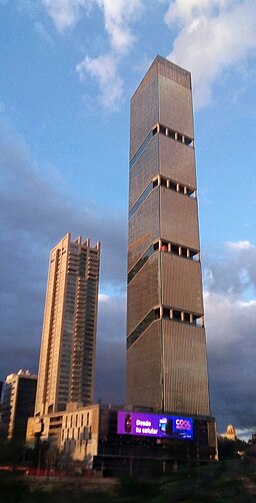
Torres Obispado
Dominating Monterrey’s skyline since its inauguration in 2020, Torres Obispado is more than a pair of towering silhouettes—it’s a statement of northern Mexico’s economic dynamism and architectural ambition. Rising from the Obispado neighborhood, the complex brings together sleek commercial floors, luxury hospitality, high-end residences and panoramic public spaces, united by a sculptural form that captures both light and regional pride.
Location and Urban Context
Strategic Placement in Monterrey
Torres Obispado fronts Avenida Hidalgo, a broad boulevard that threads through Colonia Obispado—allied to one of Monterrey’s most historic districts. From its elevated perch guests enjoy sweeping views of Cerro de la Silla to the east and the glass façades of Monterrey’s financial corridor to the south. Proximity to major highways, the university district and cultural landmarks makes the complex both accessible and a magnet for business, tourism and civic life.
Catalyzing Neighborhood Renewal
Once characterized by low-rise commercial buildings and surface parking, the Obispado sector has transformed around the twin towers. Public plazas, café promenades and tree-lined sidewalks now knit Torres Obispado into a broader pedestrian network, spurring new restaurant openings, art installations and weekend markets at its base.
Development History
Conception and Vision
In the mid-2010s, Grupo Torres Obispado acquired a block-long site previously slated for smaller developments. They recruited local firm Pozas Arquitectos to craft a signature complex that would eclipse Monterrey’s existing height records and deliver a true mixed-use destination. The vision married a supertall office-hotel tower with a complementary residential spire, both anchored by a multi-level retail podium.
Construction Milestones
Excavation and three levels of underground parking began in 2016. By 2018 the steel-reinforced concrete core of T.Op Torre 1 had broken ground level, climbing at an average rate of one floor every four days. T.Op Torre 2 followed in parallel, topping out in 2019. Final curtain-wall installation and interior fit-out carried through to late 2020, culminating in the complex’s phased grand opening.
Architectural Design
Sculptural Massing
T.Op Torre 1 soars to 305.3 meters in height with 64 above-ground storeys, tapering gently as it rises to minimize wind resistance and accentuate verticality. Its twin, T.Op Torre 2, reaches 156 meters over 44 storeys. Both towers share a hexagonal footprint rotated slightly at each setback—creating shifting floor-plate orientations that frame changing city vistas.
Podium and Public Realm
A three-storey podium bridges the tower bases, hosting 10,000 square meters of retail, restaurants and coworking lounges. An atrium with a vaulted glass canopy channels daylight deep into the retail levels, while outdoor terraces and stepped plazas form an amphitheater at street level, enlivening the façade with fountains, landscaped planters and seating nooks.
Technical Specifications
Dimensions and Massing
- T.Op Torre 1 height: 305.3 m (1,002 ft)
- T.Op Torre 1 floors: 64 above-ground + 3 basement levels
- T.Op Torre 2 height: 156 m (512 ft)
- T.Op Torre 2 floors: 44 above-ground + 3 basement levels
- Site footprint: ~8,200 m²
Floor Areas and Layout
- T.Op Torre 1 gross area: ~63 000 m²
- Typical office floor plate: ~900 m² column-free
- Hotel floors in T.Op Torre 1: levels 5–20, housing a 200-room boutique hotel
- Residential floors in T.Op Torre 1: levels 21–64, offering serviced apartments
- T.Op Torre 2 residential area: ~23 000 m² of luxury condominiums
- Podium retail and amenities: ~10 000 m² spanning three levels
Building Systems
- HVAC: four-pipe fan-coil system with central chillers and heat-recovery wheels
- Electrical: dual high-voltage feeds, UPS backup for critical loads, diesel generators
- Water: rainwater harvesting for irrigation and toilet flushing, low-flow fixtures throughout
- Fire safety: zoned sprinklers with water-mist nozzles, pressurized stairwells, addressable alarms
Structural System
Reinforced-Concrete Core and Frame
At the heart of each tower is a heavily reinforced concrete core that accommodates all vertical circulation, seismic bracing and MEP risers. Surrounding the core, post-tensioned concrete slabs span to perimeter columns, creating column-free office and residential plates that tenants can freely configure.
Lateral Load Resistance
To counteract Monterrey’s occasional seismic activity and high-wind events, a perimeter moment frame of steel-encased concrete columns works in tandem with the central core. Viscous fluid dampers located at mechanical floors dissipate energy from vortex shedding, keeping lateral accelerations within comfortable limits for occupants.
Façade and Materials
High-Performance Curtain Wall
A double-glazed, low-e glass system wraps the towers, framed by anodized aluminum mullions and horizontal sun-shade fins. The fins on the west and south faces reduce solar heat gain by up to 30 percent, while full-height glass on the north and east maximizes daylight and views to the mountains.
Podium Cladding
The podium utilizes locally quarried gray limestone panels and dark bronze metal accents for durability and visual warmth. Backlit signage channels and recessed lighting highlight retail entries, while a glazed arcade provides weather-protected circulation.
Vertical Transportation
Elevator Configuration
- T.Op Torre 1: 10 passenger lifts grouped in low-rise (floors 1–20) and high-rise (21–64) banks, traveling at 6 m/s
- T.Op Torre 2: 6 passenger lifts serving all residential floors
- Service lifts: 4 dedicated cabins for freight, maintenance and emergency egress
Sky Lobbies and Transfer Floors
A sky lobby on level 21 of T.Op Torre 1 assembles high-rise passengers, reducing elevator cores and improving core efficiency. This transfer hub also houses tenant amenities, including a lounge, fitness center and terrace gardens.
Mixed-Use Program
Office and Financial Hub
The lower twenty levels of T.Op Torre 1 deliver Class-A office suites designed to attract multinational corporations and financial institutions. Flexible floor plates, 3 m ceiling heights and raised access floors support open-plan layouts.
Hotel and Hospitality
A luxury hotel occupies levels 5 through 20, complete with ballrooms, restaurants and an infinity pool on the 21st-floor sky terrace—offering event planners sweeping skyline backdrops.
Residential and Serviced Apartments
Above the hotel, serviced apartments offer turnkey living for expatriates and executives, while T.Op Torre 2 delivers premium condominiums with private balconies, panoramic glazing and wellness facilities on the podium roof.
Retail and Dining
Podium retail mixes international brands with local boutiques and cafés. A gourmet food hall, wine bar and rooftop garden restaurant diversify the tenant mix and encourage evening foot traffic.
Sustainability and Performance
Energy Efficiency
Integrated daylight sensors and CO₂-monitored ventilation adjust lighting and airflow to occupancy levels. Variable-speed drives on pumps and fans reduce HVAC energy use by up to 20 percent. The building management system tracks performance in real time.
Water Conservation
Captured rainwater and recycled greywater supply irrigation, toilets and cooling-tower make-up. Native and drought-tolerant landscaping on terraces further slashes irrigation demand.
Certifications and Awards
Torres Obispado earned national green building recognition for its resource efficiency, indoor environmental quality and innovative façade design. It continues to benchmark its performance against regional and international standards.
Landmark Status and Legacy
As the tallest structure in Mexico outside Mexico City, T.Op Torre 1 not only resets the record books but also signals Monterrey’s emergence as a global business hub. Its mix of cutting-edge engineering and community-oriented public spaces sets a new paradigm for urban high-rises in Latin America.
Conclusion
Torres Obispado stands as a multifaceted icon of modern Monterrey—an architectural beacon where structural ingenuity, sustainable design and mixed-use programming converge. From its soaring supertall spire to its lively street-level plazas, the complex embodies the aspirations of a region pushing skyward into the twenty-first century.
