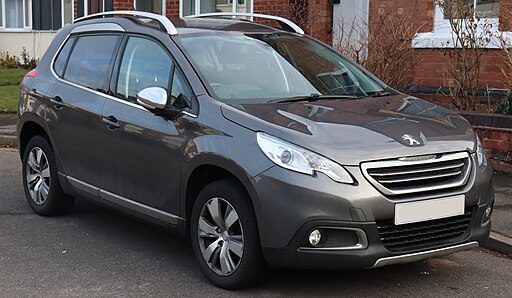
Peugeot 2008 faults
Here is a list of common and known car faults in the Peugeot 2008, especially focusing on both the first generation (2013–2019) and second generation (from 2019 onward), including petrol, diesel, and electric versions:
1. Timing Belt Wear (1.2 PureTech Petrol Engines)
-
Premature wear or internal degradation
-
Belt particles can clog the oil system
-
May lead to serious engine damage if not replaced early
2. Clutch and Gearbox Problems
-
Manual gearbox: stiff or notchy gear shifts
-
Clutch slipping or juddering, especially on early models
-
Automatic (EAT6 or EAT8): hesitation or rough shifting in some cases
3. Electrical System Faults
-
Central locking or window faults
-
Random warning lights or system errors
-
Malfunctioning touchscreen or infotainment freezing
4. Suspension and Steering Issues
-
Noises from the front suspension over bumps
-
Steering alignment problems
-
Premature wear of drop links or anti-roll bar bushes
5. Air Conditioning and Heating
-
Weak AC performance or complete failure
-
Cabin fan not working on all speeds
-
Faulty temperature sensors causing uneven heating or cooling
6. Diesel Engine Issues
-
EGR valve clogging
-
DPF regeneration problems, especially with lots of short trips
-
Turbocharger issues on higher-mileage 1.6 BlueHDi models
7. Rear Axle and Brakes
-
Rear brakes (discs or drums) wearing unevenly
-
Handbrake not holding properly
-
Noise from rear suspension when loaded
8. Battery and Charging
-
Battery drain in cold weather
-
Stop-start system malfunction
-
e-2008: charging errors or reduced range due to battery management system bugs
9. Interior Build Quality
-
Squeaks and rattles in dashboard or doors
-
Peeling trim or sticky touch surfaces
-
Touch-sensitive controls sometimes unresponsive
10. Software and Sensor Glitches
-
Parking sensors or reversing camera cutting out
-
Cruise control or lane assist occasionally failing to activate
-
Engine management light triggered by faulty sensors (MAP, O2, etc.)
Peugeot 2008 as a used car
The Peugeot 2008 has rapidly become one of Europe’s favorite compact crossovers, blending the practicality of an SUV with the agility of a hatchback. Launched in 2013 and fully redesigned in 2019, the 2008 offers a modern cabin, punchy engines, and an elevated driving position—all at an affordable price. In the used-car market, it represents a compelling package for urban families, daily commuters, and first-time SUV owners. This article dives deep into its technical parameters, real-world performance, and what to look for when hunting down a well-kept used example.
Design and Dimensions
Exterior Styling
The 2008’s design language is unmistakably Peugeot, featuring sharp lines, a wide grille, and signature LED “claw” daytime running lights. The raised ride height (around 150 mm higher than the 208 hatch) gives it muscular proportions without ballooning its footprint—measuring roughly 4.3 m long and 1.8 m wide. Alloy-wheel sizes range from 16 in to 18 in, often distinguishing higher trims by sporty two-tone finishes.
Interior Comfort and Space
Inside, the hallmark i-Cockpit layout flips the script: a compact steering wheel sits below the driver’s eye line and points toward a raised digital instrument cluster. Seats are supportive with ample side bolstering. Despite its compact exterior, rear-seat legroom hovers around 230 mm—enough for adults on short hops. Luggage capacity spans 410 L up to the window line, expanding to about 1 400 L with the rear seats folded.
Engine Options and Performance
Petrol Engines
- 1.2 L PureTech turbo three-cylinder: offered in 100 hp, 130 hp, and 155 hp tunes. Known for its punchy midrange, the 130 hp version strikes the best balance between spirited driving and reasonable fuel use (~5.5 L/100 km in mixed cycle).
Diesel Engines
- 1.5 L BlueHDi four-cylinder: available with 100 hp and 130 hp. These diesels shine on long commutes, returning around 4.0 L/100 km on the highway. The 130 hp unit pairs well with the smooth eight-speed automatic in higher specs.
Electric Version (e-2008)
Introduced alongside the second generation, the e-2008 packs a 50 kWh battery and a 136 hp electric motor. It delivers up to 345 km WLTP range, has instant torque for city driving, and recharges at up to 100 kW DC fast-charging speeds.
Transmission and Drivetrain
Across the lineup, you’ll find both manual and automatic gearboxes:
- 6-speed manual for entry-level petrol and diesel models
- 8-speed EAT8 automatic on 130 hp PureTech and BlueHDi variants
- Single-speed drive in the e-2008
All are front-wheel drive. The chassis tuning prioritizes comfort without feeling sloppy, with 180 mm of ground clearance that swallows potholes but still keeps roll in check on backroads.
Technical Specifications
| Parameter | Dimension / Value |
|---|---|
| Length | 4 300 mm |
| Width (w/o mirrors) | 1 770 mm |
| Height | 1 550 mm |
| Wheelbase | 2 605 mm |
| Boot capacity | 410 L (seats up) / 1 400 L (folded) |
| Fuel tank | 44 L |
| Curb weight (petrol) | 1 205–1 295 kg |
| Curb weight (diesel) | 1 345–1 405 kg |
| Curb weight (electric) | ~1 540 kg |
| Max towing capacity | 1 200 kg |
| Top speed | 180–202 km/h (depending on engine) |
| 0–100 km/h | 8.5–11.2 s |
Reliability and Common Issues
The Peugeot 2008 has generally strong reliability scores, though watch for:
- Timing-belt intervals: required every 120 000 km or five years—missing it can lead to engine damage.
- Infotainment quirks: earlier Touchscreen units occasionally reboot or lag; software updates from dealerships often fix this.
- Suspension bushes: worn bushes can introduce clonk noises over rough surfaces, especially on high-mileage models.
Buying Guide for Used Models
What to Check Before Purchase
- Service book stampings for scheduled oil, filter, and belt work.
- Diagnostic check for pending error codes—avoid cars with unresolved DPF or EGR faults.
- Test-drive at low and high speeds to unearth gearbox hesitations or suspension clunks.
Maintenance History and Costs
An annual service sits around €200–€300 if done at an independent garage. Genuine parts for the PureTech turbo and BlueHDi engines are reasonably priced, but factor in €350–€450 for a timing-belt kit swap with water pump.
Price Ranges and Depreciation
- First-generation (2013–2019) 1.2 PureTech from €8 000 to €14 000, depending on mileage and trim.
- Second-generation (2019-present) models start near €17 000 for entry-level petrols and climb to €25 000+ for top spec diesels and e-2008s.
Ownership Costs
Fuel Consumption
- PureTech 130: ~5.5 L/100 km mixed
- BlueHDi 100: ~4.2 L/100 km mixed
- e-2008: ~17 kWh/100 km
Insurance and Tax
Insurance group ranges from 8 to 14 (UK scale) depending on engine size and spec. In Europe, CO₂ emissions (from 99 g/km to 137 g/km) influence annual tax brackets.
Maintenance and Repair Costs
Routine wear items (brake discs, pads, tyres) align with peers in the segment. Budget around €500 per year on wear-and-tear items and one major service every 60 000 km.
Pros and Cons Summary
Pros
- Sharp styling with SUV versatility
- Efficient and punchy engine range
- Modern cabin with i-Cockpit flair
- Competitive running costs
Cons
- Rear visibility compromised by thick pillars
- Infotainment can be glitchy on older units
- No all-wheel-drive option
- Some diesel low-rpm NVH
Conclusion and Final Thoughts
For buyers seeking a stylish, compact crossover that won’t break the bank, the Peugeot 2008 stands out as a well-rounded package. Its blend of efficient engines, convincing interior tech, and manageable ownership costs make it a top pick in the used-car market. Focus your search on high-service-history models, inspect timing-belt records, and take a thorough test-drive to nail down the best deal.
