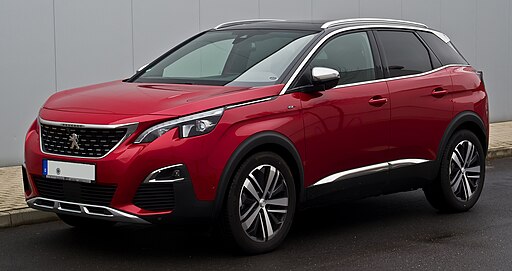
Peugeot 3008 faults
Here is a list of common and known malfunctions in the Peugeot 3008, including both the first generation (2009–2016) and second generation (from 2016), across petrol, diesel, hybrid, and electric variants:
1. Timing Belt Degradation
-
Especially on 1.2 PureTech petrol engines
-
Belt wears prematurely and contaminates engine oil
-
Can lead to oil starvation and engine failure
2. Gearbox Problems
-
EAT6/EAT8 automatic: jerky or delayed shifts
-
Manual: notchy or stiff gear changes
-
Clutch wear or juddering, particularly in diesel models
3. Touchscreen and Infotainment Faults
-
System freezes or reboots unexpectedly
-
Navigation or Bluetooth connection issues
-
Delay in reversing camera display
4. Electrical Glitches
-
Random warning lights and error messages
-
Stop-start system malfunctioning
-
Sensor failures: parking sensors, radar, or lane assist
5. Suspension and Steering Wear
-
Noises over bumps or uneven roads
-
Worn drop links, ball joints, or strut mounts
-
Steering feels vague or pulls to one side
6. Diesel System Issues
-
EGR valve blockage
-
DPF filter clogging, especially with frequent short trips
-
AdBlue system faults, including tank or injector problems
7. Battery and Charging System
-
12V battery drain, especially on models with keyless entry
-
Charging errors in hybrid and electric versions
-
e-3008: issues with range accuracy or BMS (battery management system)
8. Climate Control Problems
-
Weak or inconsistent air conditioning
-
Cabin temperature sensor malfunction
-
Blower motor resistor failures
9. Brake System Faults
-
Squealing or premature wear of rear pads
-
Handbrake errors in electronic parking brake
-
Brake pedal feels soft or inconsistent
10. Interior and Trim Issues
-
Squeaks and rattles from dashboard or doors
-
Peeling or worn soft-touch plastics
-
Faulty window switches or mirror adjustment motors
Peugeot 3008 as a used car
The Peugeot 3008 has redefined what a compact crossover can be. Since its 2016 redesign, it has earned acclaim for its bold styling, cutting-edge cabin tech and diverse powertrain lineup. On the used-car market, the 3008 sits at the sweet spot between practicality, comfort and driver engagement. This guide dives deep into its technical parameters, common ownership pitfalls and smart shopping tips so you can drive home a well-prepared deal.
Design and Dimensions
Exterior Styling
The second-generation 3008 embraces a muscular, almost SUV-like stance. A sculpted bonnet flows into frameless LED headlights and a commanding grille. Pronounced wheel arches house 17″–19″ alloys, and the rising shoulder line culminates in a full-width LED light bar at the rear. Overall length is 4,447 mm, width 1,841 mm (excluding mirrors) and height 1,624 mm—compact enough for city lanes, yet spacious inside.
Interior Comfort and Space
Step inside and you’re greeted by Peugeot’s i-Cockpit: a compact steering wheel below a configurable digital instrument cluster, plus a floating 8″–10″ touchscreen for infotainment. Soft-touch surfaces, satin chrome accents and ambient lighting elevate the cabin feel. Rear passengers enjoy roughly 200 mm of legroom and a 520 mm hip-to-shoulder width. Boot capacity starts at 520 L (up to the parcel shelf) and expands to 1,482 L with the rear seats folded.
Powertrain Options and Performance
Petrol Engines
- 1.2 L PureTech 130: Three-cylinder turbo, 130 hp at 5,500 rpm and 230 Nm torque from 1,750 rpm. Paired with a smooth 6-speed manual or 8-speed EAT8 automatic, it balances punchy response and around 6.0 L/100 km fuel use.
- 1.6 L PureTech 180: Four-cylinder turbo, 180 hp and 250 Nm. Mates exclusively to the EAT8. 0–100 km/h in about 8.4 s and top speed near 220 km/h.
Diesel Engines
- 1.5 L BlueHDi 130: Four-cylinder with 130 hp and 300 Nm torque. Returns roughly 4.5 L/100 km on the combined cycle. Designed for crisp throttle response and real-world efficiency.
- 2.0 L BlueHDi 180: 180 hp and 400 Nm. Standard EAT8 auto. Strong mid-range thrust makes it ideal for laden family trips or towing up to 1,400 kg braked.
Hybrid Versions
- Hybrid 225 e-EAT: 1.6 L PureTech coupled to an electric motor on the rear axle, total output 225 hp. 13.2 kWh battery delivers up to 50 km of zero-emission range. Charges in about 1.5 h at 7.4 kW AC.
- Hybrid4 300 e-EAT: Plug-in AWD with 300 hp combined and an extra electric motor up front. Electric-only range close to 60 km and a maximum system torque exceeding 500 Nm.
Transmission and Drivetrain
All 3008 models are front-wheel drive except the Hybrid4, which adds rear electric drive. Gearboxes include:
- 6-speed manual (entry petrol/diesel)
- 8-speed EAT8 automatic (petrol, diesel, Hybrid)
- e-EAT single-speed EV drive (depending on mode)
Ride height sits around 180 mm; the suspension‡ tuning marries agility with comfort, aided by optional Advanced Grip Control and Hill Descent Assist.
Technical Specifications
| Parameter | Value |
|---|---|
| Length | 4,447 mm |
| Width (w/o mirrors) | 1,841 mm |
| Height | 1,624 mm |
| Wheelbase | 2,675 mm |
| Boot capacity | 520 L (seats up) / 1,482 L (folded) |
| Fuel tank | 53 L (petrol/diesel) / 45 L (Hybrid) |
| Curb weight | 1,315–1,800 kg (depending on spec) |
| Towing capacity | 1,200 kg (petrol) / 1,400 kg (diesel) |
| Top speed | 190–230 km/h |
| 0–100 km/h | 7.4–11.0 s |
Reliability and Common Issues
A well-maintained 3008 is generally reliable, but watch for:
- Timing-chain stretch on early PureTech engines—listen for rattles on cold starts.
- Diesel particulate filter (DPF) clogging in low-mileage, urban-only diesels.
- Infotainment glitches or touchscreen freezes; software updates typically cure them.
- Suspension bush wear: clunks over bumps on high-mileage cars.
Regular oil and filter changes every 12,000 km, plus timing-chain inspection at 120,000 km, keep major faults at bay.
Buying Guide for Used 3008
Checklist Before Purchase
- Full service history: oil, filters, brake fluid and timing chain documentation.
- Diagnostic scan: clear of pending engine or transmission codes.
- Test-drive both urban and motorway stretches to reveal turbo lag, gearbox shifts and ride comfort.
- Underbody inspection: look for corrosion, fluid leaks and worn exhaust mounts.
Maintenance History and Costs
Independent workshops charge €250–€400 for a full service. Genuine parts for PureTech turbos run €350–€450, while timing-chain services average €600–€800. Plug-in hybrids command higher battery and brake-pad costs, but energy savings offset long-term outlay.
Price Ranges and Depreciation
- First-generation facelift (2016–2019): €12,000–€18,000 depending on engine and mileage.
- Second generation (2019–2023): starts around €20,000 for base diesels, climbing to €32,000+ for Hybrid4 top trim.
Ownership Costs
Fuel Consumption
- PureTech 130: ~6.0 L/100 km combined
- BlueHDi 130: ~4.5 L/100 km combined
- Hybrid4 PHEV: ~1.3 L/100 km (with regular charging) or ~15 kWh/100 km electric
Insurance and Tax
CO₂ emissions range 98–156 g/km. Insurance groups vary widely by engine power—expect mid-range premiums for high-spec diesels and hybrids.
Maintenance and Repairs
Average annual spend on wear items hovers around €500. Hybrid battery health checks at five years help avoid major cell-replacement bills.
Pros and Cons
Pros
- Striking design and premium cabin feel
- Wide choice of powertrains including plug-in hybrids
- Generous interior space and cargo versatility
- Advanced driver aids and modern infotainment
Cons
- Early petrol engines can suffer timing-chain issues
- DPF and EGR faults on urban diesel use
- Higher purchase cost for PHEV variants
- Visibility hampered by thick rear pillars
Conclusion and Alternatives
The Peugeot 3008 remains a standout in the compact crossover segment, offering upscale style, innovative packaging and a versatile drivetrain roster. For the conscientious used-car buyer, prioritise full service records, a clean diagnostic history and a balanced test-drive. If you’re open to rivals, the Volkswagen Tiguan, Nissan Qashqai and Renault Kadjar each bring their own strengths—yet few match the 3008’s modern cabin drama and plug-in hybrid capability. Whichever path you choose, a diligent inspection and clear ownership history are your keys to crossover confidence.
_%E2%80%93_Frontansicht,_25._November_2018,_D%C3%BCsseldorf.jpg)