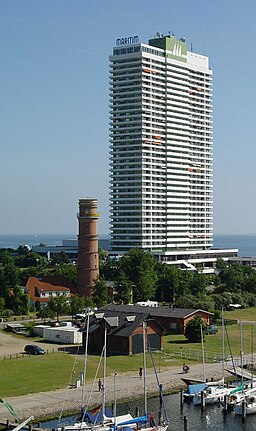
Maritim Travemünde
Nestled on the shores of the Baltic Sea, the Maritim Hotel Travemünde stands as a beacon of architectural sophistication and maritime charm. Located in the historic seaside resort of Travemünde, part of the Hanseatic city of Lübeck, this hotel combines luxury hospitality with robust engineering and coastal resilience. This article explores the technical and structural aspects of the Maritim Hotel Travemünde, along with its historical significance and modern amenities.
Historical Context and Architectural Significance
Origins and Evolution
The Maritim Hotel Travemünde was originally constructed in the early 1970s, during a period of rapid development in German coastal tourism. Its design reflects the modernist architectural trends of the time, with clean lines, expansive glass facades, and a focus on functionality. Over the decades, the hotel has undergone several renovations to enhance its structural integrity and adapt to evolving guest expectations.
Preservation of Heritage
Adjacent to the hotel is the historic Travemünde Lighthouse, the oldest on the German Baltic coast, which adds a layer of cultural depth to the site. The hotel’s design carefully integrates views of this landmark, preserving sightlines and maintaining harmony with the surrounding landscape.
Structural and Technical Parameters
Foundation and Load-Bearing Systems
- Foundation Type: Reinforced concrete slab foundation, optimized for sandy coastal soil conditions.
- Load Distribution: Utilizes a combination of shear walls and steel-reinforced concrete columns to manage vertical and lateral loads.
- Seismic Considerations: Although Germany is not a high-risk seismic zone, the structure includes basic seismic dampers to mitigate minor tremors.
Building Envelope and Materials
- Facade System: Double-glazed curtain wall with UV-resistant coatings to reduce solar gain and improve thermal insulation.
- Exterior Cladding: Marine-grade aluminum panels with anti-corrosion treatment, suitable for high-salinity environments.
- Roofing: Flat roof with multi-layer waterproofing membrane and integrated drainage system to handle heavy Baltic rainfall.
HVAC and Energy Efficiency
- Heating System: Centralized district heating connected to Lübeck’s municipal grid, supplemented by heat exchangers for energy recovery.
- Cooling System: Variable refrigerant flow (VRF) system with smart zoning to optimize energy use across different areas.
- Ventilation: Mechanical ventilation with heat recovery units (HRUs) and humidity control, essential for coastal air quality management.
- Energy Rating: Achieved a Class B rating under Germany’s EnEV (Energy Saving Ordinance), with ongoing upgrades targeting Class A.
Interior Design and Guest Amenities
Room Configuration and Layout
- Total Rooms: 240 guest rooms, including 30 suites with panoramic sea views.
- Room Sizes: Standard rooms range from 28–35 m²; suites extend up to 70 m².
- Acoustic Insulation: High-performance acoustic panels and floating floors to minimize noise transmission between rooms.
Conference and Event Facilities
- Ballroom Capacity: Up to 1,000 guests, with retractable partitions for modular configurations.
- Technical Equipment: Integrated AV systems, fiber-optic internet, and programmable lighting for corporate and social events.
- Load-Bearing Floor: Reinforced slab capable of supporting heavy staging and equipment loads up to 500 kg/m².
Coastal Resilience and Environmental Integration
Flood Protection and Sea-Level Adaptation
- Elevation: The hotel is built 3.5 meters above mean sea level, with additional flood barriers installed at basement access points.
- Stormwater Management: Permeable paving and bioswales in surrounding landscaping to reduce runoff and prevent erosion.
Sustainability Initiatives
- Solar Integration: Rooftop solar panels generating up to 20% of the hotel’s electricity needs during peak summer months.
- Water Conservation: Greywater recycling system for irrigation and toilet flushing.
- Waste Management: On-site sorting and composting facilities, with partnerships for local recycling.
Connectivity and Accessibility
Transport Links
- Rail Access: Direct connection to Lübeck via regional train, with Travemünde Strand station just 800 meters from the hotel.
- Road Access: Located off Bundesstraße B75, with dedicated parking for 300 vehicles and EV charging stations.
- Maritime Access: Adjacent to the Travemünde ferry terminal, offering connections to Scandinavia and the Baltic states.
Accessibility Features
- Barrier-Free Design: Step-free access throughout public areas, tactile signage, and wheelchair-accessible rooms.
- Elevator Systems: High-speed elevators with emergency backup power and voice-guided controls.
Conclusion
The Maritim Hotel Travemünde is more than a luxurious retreat—it is a testament to thoughtful engineering, sustainable design, and coastal resilience. Its technical sophistication ensures comfort and safety for guests while preserving the natural beauty and cultural heritage of the Baltic shoreline. Whether for leisure, business, or maritime exploration, the hotel remains a cornerstone of Travemünde’s identity and a model for future coastal developments.
