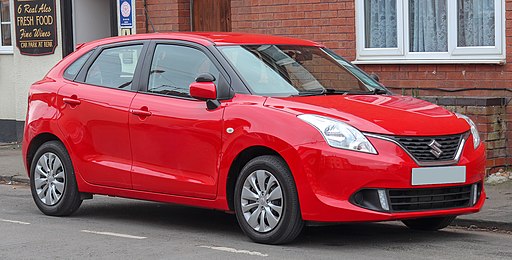
Suzuki Baleno faults
Engine and Drivetrain
Integrated Starter Generator Belt Failure (Mild-Hybrid Models)
Symptoms include the charging-warning light illuminating, sudden engine stall, loss of water-pump operation and overheating warnings. The integrated starter generator belt can shear under load, cutting off coolant circulation and charging. Replacing the ISG belt with the strengthened OEM unit restores normal charging and pump function.
Auto Stop-Start System Malfunction
Owners may see the start/stop indicator blink and find the feature inoperative, accompanied by a flat battery after routine driving. A software error in the engine-control module prevents proper battery recharge when the engine restarts. Flashing the ECU with updated Suzuki firmware cures the bug and safeguards battery health.
Ignition Coil and Spark-Plug Failures
Rough idling, intermittent misfire codes (P0300–P0303) and poor throttle response often trace back to degraded ignition coils or fouled spark plugs. Vibration and hesitation under light load signal coil breakdown. Renewing coils and fitting iridium or OEM-equivalent plugs typically eliminates misfires and restores smooth power delivery.
Transmission Shifting and Whine
Baleno CVTs and automated-manual gearboxes can exhibit delayed pull-away, judder or whining noise at speed. Causes range from glazed CVT belts due to overdue fluid changes, to loose CVT end-plate bolts rubbing on the gearbox internals. A service drain-and-fill with approved CVT oil, torque-check or replacement of end-plate bolts, and filter renewal generally quiets and smooths shifts.
Cooling and Brake Assistance
Brake-Booster Vacuum Pump Fault
A swelling one-way valve in the vacuum pump interrupts negative pressure to the brake booster, resulting in a hard, heavy pedal and reduced assist. The defect is covered by a recall in many regions. Fitting the revised vacuum pump cures the stiff pedal and restores proper brake feel.
Thermostat Housing and Water-Pump Leaks
Plastic thermostat housings and water-pump shaft seals crack or weep after prolonged use, causing low-coolant warnings and overheating. Symptoms include coolant puddles beneath the car and erratic temperature-gauge swings. Upgrading to the metal-reinforced thermostat housing and OEM water pump eliminates repeat leaks.
Electrical and Electronics
Battery Drain and Charging Issues
Repeated flat batteries after parking point to parasitic draws from aftermarket alarms or a weak alternator diodes. Flickering interior lights or no-crank conditions on restart underscore charging shortfalls. Diagnosing with an ammeter, replacing a failing alternator, or isolating/removing rogue electronics restores proper battery charging and retention.
Infotainment System Freezes and Bluetooth Dropouts
Mid-trim Baleno head-units sometimes lock up, reboot unpredictably or lose phone connectivity. The touchscreen may go unresponsive until a hard reset. Applying the latest software revision from a Suzuki dealer or replacing the unit with an updated assembly resolves these glitches for good.
HVAC System
Air Conditioning Compressor and Cooling-Fan Failures
Weak airflow or warm air on max AC settings often stems from a slipping compressor clutch or low refrigerant. In some cases, the cooling-fan relay or motor fails, leading to high-speed overheats in traffic. Recharging the system, swapping a worn compressor/clutch and testing/replacing the fan relay and motor restores full climate control performance.
Suspension and Steering
Suspension Noise and Harsh Ride
Clunks over potholes, creaks on compression and a bouncy feel can be traced to worn front strut-top mounts, rear torsion-beam bushings or anti-roll-bar links. Replacing strut bearings and fitting OEM or polyurethane bushings quiets the chassis and brings back composed ride and handling.
Steering Rack Seal Leaks
Power-steer fluid pooled under the subframe and sudden loss of assist indicate leaking rack seals. Fluid loss also leads to erratic steering effort. A rack teardown with a seal-kit rebuild or fitting a remanufactured steering rack restores smooth, consistent steering response.
Brakes and Wheels
Uneven Brake Wear and Noise
Squealing or grinding under braking and a pulsating pedal often result from glazed pads, corroded caliper slides or warped rotors. Machining or replacing rotors, fitting quality friction material and fully servicing caliper slides eliminates noise and restores firm, even braking.
Wheel-Bearing Hums at Speed
A low-speed growl or rumble increasing with vehicle speed typically signals worn front or rear hub bearings. Play in the wheel hub and vibration through the floor can accompany the noise. Replacing the sealed wheel-hub assemblies cures the hum and removes steering shimmy.
Body and Interior
Door-Seal Deterioration and Water Ingress
Aged or torn door seals let wind noise and water into the footwells during rain, leaving damp carpets and mildew odors. Fitting new OEM-style seals and lubricating contact surfaces ensures a tight, weather-proof cabin.
Rust at Sills and Wheelarches
In climates that use road salt, Baleno lower sills and arch lips can develop bubbling paint and underlying corrosion. Early treatment with rust converter, spot-painting and underbody sealing prevents structural spread and preserves resale value.
Suzuki Baleno as a used car
The 2015 Suzuki Baleno redefined value in the subcompact hatchback segment by pairing a roomy cabin with surprisingly frugal fuel use and modern technology. As a used purchase, it appeals to first-time buyers and budget-minded commuters seeking low running costs, straightforward maintenance, and a sturdy platform known for reliability. Its light curb weight, efficient engines, and compact footprint make it equally at home in dense city traffic and on longer highway journeys.
Design, Dimensions, and Packaging
Exterior Styling and Body Structure
The Baleno’s sleek silhouette emphasizes aerodynamic efficiency, with a drag coefficient of 0.29 achieved through a tapered roofline and underbody covers. High-tensile steel comprises 55 percent of the body-in-white, boosting torsional rigidity while keeping mass down to roughly 920 kg for the base model. Projector-type headlights and an optional LED daytime-running light package lend a modern face to the hatchback.
Interior Space and Cargo Capacity
Despite its sub-4 m footprint, the 2015 Baleno uses a long 2,520 mm wheelbase to maximize passenger room. Front and rear legroom measure 1,050 mm and 855 mm respectively, while headroom sits at 995 mm up front and 975 mm in back. The luggage area provides 355 L of cargo volume with seats upright and expands to 756 L when the 60/40 split rear bench folds flat.
Powertrain and Performance Specifications
| Engine Type | Displacement | Power Output | Torque | Fuel Delivery |
|---|---|---|---|---|
| 1.2 L K-Series Dualjet | 1,242 cc | 90 PS @ 6,000 rpm | 118 Nm @ 4,400 rpm | Dual-jet multi-point injection |
| 1.0 L Boosterjet Turbo | 998 cc | 112 PS @ 5,500 rpm | 170 Nm @ 2,000 rpm | Direct injection |
| 1.3 L DDiS Diesel (Market-Specific) | 1,248 cc | 75 PS @ 4,000 rpm | 190 Nm @ 2,000 rpm | Common-rail diesel injection |
Naturally Aspirated 1.2 L Dualjet Petrol
This engine’s twin-nozzle intake per cylinder yields a finer fuel mist, improving combustion efficiency and lowering emissions. The balance shaft system reduces vibration, making the power delivery smooth from idle through peak revs. Owners report cruising comfortably at highway speeds around 100 km/h with engine speeds near 2,500 rpm.
1.0 L Boosterjet Turbocharged Option
Featuring a small-displacement turbo and an electronically controlled wastegate, the Boosterjet variant delivers a sharper midrange punch ideal for overtaking. Despite the boost, official fuel consumption figures remain competitive, averaging 4.5 L/100 km on combined cycles, thanks to the lightweight construction and finely tuned intake plumbing.
Transmission Choices
Five-Speed Manual
The manual gearbox offers a concise shift pattern and light clutch effort. Ratios are calibrated for quick acceleration off the line and relaxed cruising in fifth gear, where the ratio sits at 0.66:1. Clutch life typically exceeds 150,000 km under normal driving, though city-only use may shorten service intervals.
Continuously Variable Transmission (CVT)
The optional CVT features seven simulated “gears” to mimic a stepped gearbox feel. It uses a sealed steel chain and aluminum pulleys, with no torque converter to reduce mechanical losses. Fluid change intervals sit at 60,000 km, and owners praising seamless upshifts often recommend early fluid servicing to prevent belt shudder.
Chassis, Suspension, and Brakes
Suspension Layout
- Front: MacPherson strut with coil springs and anti-roll bar
- Rear: Torsion beam axle with trailing arms
This configuration balances ride comfort on uneven city streets with predictable handling when cornering. Strut-top mounts and rear beam bushings are the most common wear points, usually requiring replacement around 100,000 km.
Steering and Braking
Steering employs an electric-assist rack-and-pinion setup, offering light effort at low speeds and firmer feedback at speed. Braking is handled by ventilated front discs (240 mm diameter) and solid rear drums or optional discs (200 mm diameter). Anti-lock braking (ABS) with electronic brake-force distribution (EBD) is standard across the range.
Fuel Economy and Emissions
The 1.2 L petrol manual returns around 4.9 L/100 km in mixed driving, while the CVT lifts that to approximately 5.1 L/100 km. The Boosterjet engine maintains 4.5–4.8 L/100 km thanks to direct injection and efficient turbo management. CO₂ emissions range from 104 g/km (Dualjet manual) to 110 g/km (Boosterjet CVT), comfortably meeting Euro 6 standards at launch.
Interior Features and Technology
Infotainment and Connectivity
Higher-trim Baleno models sport a 7-inch touchscreen with smartphone mirroring (Apple CarPlay and Android Auto), Bluetooth hands-free calling, and USB charging. A rearview camera appears on mid- and top-level trims, aiding in tight parking situations.
Comfort and Convenience
Standard air conditioning is manual on base grades and automatic on mid-range spec. Cloth upholstery covers six-way manual seats, with optional leatherette and heated front seats in select packages. Keyless entry and push-button start elevate usability, while an adjustable steering column ensures an ergonomic driving position.
Safety and Driver Assistance
Dual front, side, and curtain airbags protect occupants in side-impact and rollover scenarios. Electronic stability program (ESP) and hill-hold assist enhance control on slippery or sloped surfaces. The 2015 Baleno earned a four-star Euro NCAP rating for adult occupant protection and three stars for child safety in its class tests.
Common Maintenance Items and Known Issues
CVT Belt Shudder
Owners occasionally report a low-speed judder when accelerating from rest. Scheduled CVT fluid changes with Suzuki-approved oil at 60,000 km intervals typically resolve this. Ignoring fluid degradation can accelerate pulley and chain wear.
Carbon Build-Up in Intake
The Dualjet system can experience intake-port carbon deposits over time, leading to rough idle or hesitation. A professional induction cleaning every 80,000 km or use of dedicated intake-clean additives helps maintain smooth operation.
Suspension Wear
Front strut mounts and rear beam bushings may begin to creak or clunk after 80,000–100,000 km. Replacement kits are inexpensive and straightforward to install, restoring ride quality and eliminating noise.
Electrical Gremlins
Some mid-trim units exhibit intermittent touchscreen freezes or Bluetooth dropouts. A software update from Suzuki’s dealer network usually cures these, and firmware improvements have been rolled into service campaigns in many regions.
Pre-Purchase Inspection and Buying Tips
- Verify service history for on-time CVT or gearbox fluid changes and intake cleanings.
- Check for uneven tire wear that might indicate misaligned suspension or worn bushings.
- Test both manual and CVT shift quality, listening for judder or delayed response.
- Confirm all electrical features—infotainment screen, reversing camera, Bluetooth—function reliably.
- Inspect underbody and wheel arches for early corrosion, particularly in colder climates with salted roads.
Pricing and Depreciation
As of mid-2025, well-maintained 2015 Baleno hatchbacks change hands between €6,000 and €9,000 depending on mileage, engine choice, and trim level. Boosterjet turbo variants command a premium of around 10 percent, while fully optioned SZ-T and SZ5 grades sit at the top end of the market. The Baleno’s reputation for low running costs and strong fuel economy helps it retain value better than many rivals in the B-segment.
Ownership Experience
Driving a used 2015 Suzuki Baleno means embracing an ownership formula built around efficiency, space utilization, and straightforward engineering. With proper fluid services, timely suspension bushings renewals, and periodic intake maintenance, a Baleno can easily exceed 200,000 km of dependable service. For urban dwellers and budget-conscious drivers alike, it remains one of the most compelling used-car propositions in its class.
