The Legacy of Niederburg Kobern: A Fortress of History and Identity
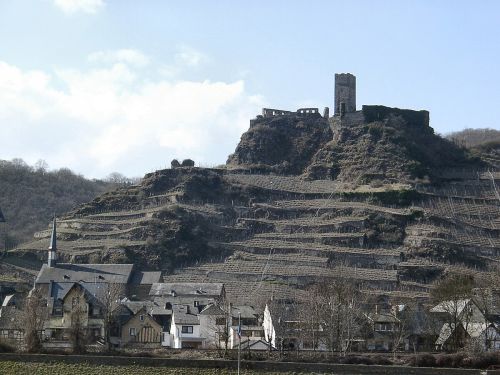
Perched high above the Moselle River in western Germany, Niederburg Kobern stands as one of the most evocative examples of medieval architecture and feudal heritage in the Rhineland-Palatinate region. Overlooking the picturesque village of Kobern-Gondorf, the castle complex of Niederburg—often paired with the nearby Oberburg—tells a story of strategic importance, noble lineage, and cultural endurance. Though partially in ruins today, Niederburg Kobern remains a symbol of resilience, bridging the gap between medieval chivalric culture and the modern landscape of the Moselle Valley.
Origins and Early Construction
The origins of Niederburg Kobern trace back to the 12th century, a time when the Moselle region was a frontier of power between competing feudal lords and ecclesiastical territories. The name Niederburg literally translates to “Lower Castle,” distinguishing it from the Oberburg or “Upper Castle” situated higher on the same ridge. This naming convention reflected not only geography but also hierarchy—each fortress serving distinct strategic and administrative purposes.
Constructed primarily of slate and basalt quarried from the surrounding hills, Niederburg embodied both defensive strength and architectural sophistication. Its thick curtain walls, narrow windows, and commanding towers allowed for surveillance over the river valley below, controlling trade and protecting agricultural estates. The site’s location between Koblenz and Trier gave it a significant role in regional politics and commerce.
The Lords of Kobern and Feudal Authority
During the High Middle Ages, Niederburg served as the ancestral seat of the Lords of Kobern, a noble family that rose to prominence through loyalty to the Archbishopric of Trier. The Kobern lineage exemplified the feudal order of the Rhineland: bound by allegiance to greater ecclesiastical and imperial powers, yet exercising autonomy over local fiefs.
The castle was not merely a military structure but also a symbol of governance. It hosted judicial assemblies, collected tolls from merchants traveling along the Moselle, and served as a refuge for the surrounding population during periods of unrest. Its architectural design reflected these multiple roles, combining residential quarters with fortified enclosures and storage cellars for provisions and wine—a vital commodity of the region.
Architectural Features and Layout
Though partially ruined, the surviving elements of Niederburg Kobern provide insight into medieval engineering and domestic life. The main keep, or Bergfried, once stood as the castle’s defensive heart, surrounded by inner and outer walls. Traces of a great hall (Palas) indicate the presence of a noble residence, while remnants of gatehouses and stables suggest a self-sustaining complex capable of enduring long sieges.
Distinctive Gothic and Romanesque influences can be observed in the arches and masonry. The use of local stone gave the structure a dark, somber appearance that contrasted strikingly with the greenery of the Moselle valley. The placement of the castle’s windows and battlements reveals careful consideration of both defensive needs and panoramic visibility—important for both security and prestige.
Decline and Transformation
The late medieval period brought both political change and military evolution that rendered castles like Niederburg increasingly vulnerable. The development of gunpowder weaponry and the consolidation of territorial states reduced the strategic necessity of small feudal fortresses. By the 16th century, Niederburg had lost much of its military value, serving primarily as a residence and administrative post.
Subsequent centuries brought neglect, wars, and natural decay. The Thirty Years’ War and later French incursions devastated much of the Moselle region, and Niederburg was no exception. Its walls crumbled, its halls fell silent, and nature began reclaiming the stones that once symbolized power and protection. Yet the ruins themselves became monuments to endurance—a visual chronicle of shifting political fortunes and the impermanence of human ambition.
Rediscovery and Romantic Revival
By the 19th century, the ruined castles of the Rhine and Moselle valleys captured the imagination of artists, poets, and travelers. The Romantic movement, with its fascination for medievalism and picturesque decay, transformed sites like Niederburg Kobern into destinations of cultural pilgrimage. Painters and writers celebrated its weathered towers as emblems of lost grandeur and the passage of time.
During this period, early preservation efforts began to emerge. Archaeological interest in the site led to partial stabilization of walls and limited restoration of key structures. The nearby Matthiaskapelle, a striking Romanesque-Gothic chapel associated with the upper castle, also attracted attention for its architectural beauty and historical significance. Together, these monuments became focal points for regional identity and tourism.
The Setting: Kobern-Gondorf and the Moselle Valley
The surrounding village of Kobern-Gondorf complements Niederburg’s historical importance with its living traditions and scenic charm. Nestled among vineyards and steep riverbanks, the settlement retains its medieval street patterns and half-timbered architecture. The Moselle’s fertile soil continues to sustain viticulture, producing celebrated wines that trace their origins to the same lands once overseen by the lords of the castle.
The relationship between the village and the fortress has always been symbiotic. The castle provided protection and governance, while the settlement supported it economically and socially. Today, this connection persists symbolically through heritage tourism and community preservation initiatives.
Preservation and Modern Tourism
In contemporary times, Niederburg Kobern is protected as a cultural monument under Rhineland-Palatinate heritage law. Conservation work focuses on stabilizing remaining walls and ensuring safe public access while respecting the integrity of the ruin. Information panels and guided tours allow visitors to reconstruct the castle’s former grandeur through historical interpretation.
The site also plays a role in regional tourism networks, such as the Moselsteig hiking trail and various castle routes that link historical sites along the river. Visitors can explore both Niederburg and Oberburg, enjoy panoramic views of the valley, and experience the interplay between nature and history that defines the Moselle region.
Symbolism and Enduring Meaning
Niederburg Kobern stands as more than a relic—it embodies the layers of European cultural memory. Its stones tell of feudal power, architectural artistry, and the human desire to build enduring legacies in a world of change. The castle’s gradual decay has not diminished its significance; rather, it has transformed it into a timeless symbol of resilience and continuity.
For historians, architects, and travelers alike, Niederburg offers an invitation to reflect on how heritage shapes identity. It reminds us that history is not confined to the past—it persists in the landscapes, communities, and ruins that continue to inspire new generations.
Conclusion
From its medieval beginnings to its modern role as a historical landmark, Niederburg Kobern represents the evolving narrative of the Moselle Valley. Once a stronghold of feudal authority, it now serves as a guardian of memory and culture. Its ruins, standing silent yet steadfast, continue to watch over Kobern-Gondorf as they have for centuries—testament to the enduring dialogue between history, nature, and human imagination.