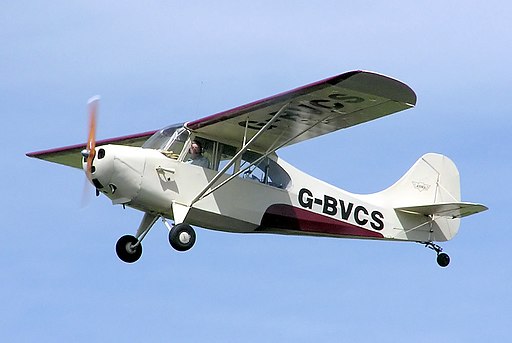
Aeronca Champion
Aeronca Champion: A Timeless Legend in Aviation
The Aeronca Champion, also known simply as the “Champ,” is one of the most beloved and iconic light aircraft in aviation history. First introduced in the mid-1940s by the Aeronca Aircraft Corporation, the Champion was designed as a simple, affordable, and dependable plane that could cater to the needs of private pilots, flight schools, and recreational aviation enthusiasts. Its charming design, forgiving flight characteristics, and nostalgic appeal have made it a symbol of the golden age of general aviation.
Even decades after its introduction, the Aeronca Champion remains a favorite among vintage aircraft enthusiasts and those seeking a back-to-basics flying experience. In this article, we’ll explore the origins, design, performance, variants, and legacy of the Aeronca Champion, as well as its enduring appeal in the aviation world.
The Origins of the Aeronca Champion
The Aeronca Aircraft Corporation, founded in 1928, was a pioneer in producing affordable and reliable aircraft for general aviation. By the 1940s, the company had already gained significant recognition for its earlier models, such as the Aeronca C-2, often nicknamed the “Flying Bathtub,” and the Aeronca Chief series.
In the aftermath of World War II, there was a surge in demand for light civilian aircraft, spurred by an influx of military-trained pilots and an aviation boom fueled by optimism for the future. Aeronca responded to this demand by designing the Champion, which was introduced in 1945 as a competitor to other popular light aircraft of the time, such as the Piper Cub and the Taylorcraft.
The Champion was intended to provide a no-frills, economical flying experience for personal and training purposes. Its simple construction, low operating costs, and forgiving flight characteristics quickly won over a broad audience of pilots, and it became a staple in flight schools and recreational flying clubs across the United States and beyond.
Design and Features
The Aeronca Champion was built with simplicity and functionality in mind, offering pilots a reliable and easy-to-handle aircraft. Its design embodied the practical engineering of the time while emphasizing low costs and ease of operation.
Airframe and Structure
The Champion features a conventional high-wing configuration, which provides excellent visibility for pilots and enhances stability in flight. Its fuselage is made of a welded steel tube framework, covered with lightweight fabric, contributing to its low weight and easy maintenance. The wings are made of wooden spars and ribs, also covered in fabric.
Seating and Cockpit
The Champion’s two-seat tandem configuration—with the pilot seated in the front and the passenger or student in the rear—was ideal for flight training. The cockpit layout is simple and intuitive, with basic instruments and controls that are easy to operate. This simplicity made the Champ particularly appealing to new pilots and flight instructors alike.
Landing Gear
The Champion uses a taildragger landing gear configuration, which was typical of light aircraft of its time. While tailwheel aircraft require more skill to handle on the ground compared to tricycle-gear planes, the Champion’s forgiving design and sturdy undercarriage made it manageable even for less experienced pilots.
Engine and Performance
The Aeronca Champion was initially powered by the Continental A-65 engine, a 65-horsepower, air-cooled, four-cylinder engine. This powerplant gave the aircraft a cruising speed of approximately 85 mph (137 km/h) and a range of about 300 miles (480 km). The Champ was not designed for speed or long-distance flights but instead focused on affordability, reliability, and ease of handling.
Later variants of the Champion featured more powerful engines, such as the Continental C85 (85 hp) and C90 (90 hp), providing slightly better performance and increased payload capacity.
Flying Characteristics
The Aeronca Champion is renowned for its docile flight characteristics, making it an excellent aircraft for beginner pilots. Its slow stall speed, predictable handling, and overall forgiving nature contribute to its reputation as a perfect training platform.
- Low-Speed Maneuverability: The Champ performs exceptionally well at low speeds, which is particularly advantageous for takeoffs, landings, and practicing short-field operations.
- Tailwheel Proficiency: While taildraggers are often considered more challenging to handle on the ground than tricycle-gear planes, the Champ’s wide landing gear stance and manageable ground-handling characteristics make it a great choice for learning tailwheel skills.
- Visibility: The high-wing design and ample side windows offer excellent visibility, enhancing the pilot’s situational awareness both in the air and on the ground.
Variants of the Aeronca Champion
The Aeronca Champion family expanded over the years with several variants, each featuring improvements or modifications tailored to specific needs:
Aeronca 7AC Champion
The original model, introduced in 1945, powered by the Continental A-65 engine. This variant established the Champ’s reputation as a simple and reliable aircraft for training and recreation.
Aeronca 7BCM Champion
This military variant, also known as the L-16A, was used by the U.S. Army for liaison and observation roles. It featured a more powerful engine and minor structural modifications.
Aeronca 7CCM Champion
An improved version with an 85-horsepower Continental C85 engine, offering better performance and payload capacity.
Aeronca 7ECA Citabria
In the 1960s, Champion Aircraft Corporation acquired the rights to the Aeronca 7 series and introduced the Citabria, an aerobatic variant of the original Champ. The Citabria retained much of the Champ’s design while incorporating enhancements for aerobatic performance.
Legacy and Appeal
The Aeronca Champion holds a special place in the hearts of aviators for its role in the golden age of general aviation. It remains a symbol of simplicity, affordability, and the pure joy of flying. Thousands of Champs were produced during its heyday, and many of these aircraft are still actively flown and maintained by private owners, flight schools, and vintage aircraft enthusiasts.
- Training Aircraft: The Champ’s forgiving nature and straightforward design have made it a popular training aircraft for generations of pilots.
- Vintage Aviation: Restored Champs are highly sought after in the vintage aviation community, where their nostalgic charm and timeless design continue to captivate enthusiasts.
- Affordable Flying: With low operating costs and relatively simple maintenance requirements, the Aeronca Champion is an economical choice for pilots looking for a light, enjoyable aircraft.
Conclusion
The Aeronca Champion is much more than just a light aircraft; it is a testament to the enduring appeal of simplicity and functionality in aviation. For over 75 years, the Champ has introduced countless pilots to the joys of flight, provided a reliable training platform, and inspired a deep appreciation for vintage aircraft. Its iconic design, versatile performance, and timeless charm ensure that it will remain a cherished part of aviation history for years to come. Whether you’re a seasoned pilot or a newcomer to the skies, the Aeronca Champion offers a flying experience that is as rewarding as it is nostalgic.
