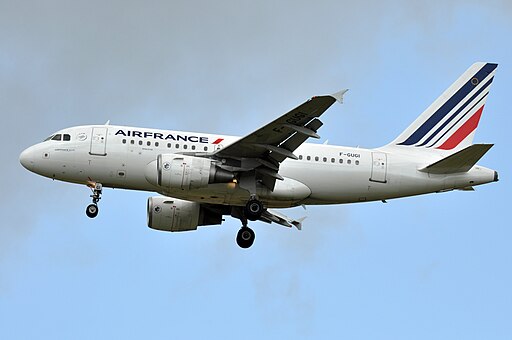
Airbus A318
The Airbus A318 is the smallest member of the renowned A320 family, designed as a compact, short- to medium-range narrow-body airliner. With its efficient design and modern avionics, the A318 has carved a niche in markets where lower passenger capacity and flexible operations are valued. Although it has not achieved the commercial success of its larger siblings—the A319 and A320—the A318 remains a technically sophisticated platform ideal for routes with limited demand or airports with constrained infrastructure.
Historical Development and Market Position
Origins and Market Need
In the 1990s, Airbus identified a growing demand for an aircraft that could serve regional markets and operate from shorter, less developed runways. The A318 was conceived as a response to this need, targeting airlines that required a smaller capacity—typically between 107 and 132 passengers—without compromising on the technological advances of the A320 family. This strategic choice was intended to compete against smaller aircraft such as the Boeing 737-600 and various regional jets like the Embraer E-Jet series.
Production and Commercial Considerations
Despite its promising design, the A318 entered a competitive landscape where many airlines favored the slightly larger models for better economics of scale. As a result, overall production volume was limited. However, the aircraft has found favor in niche markets, including operations where airport infrastructure imposes strict runway limitations. Its commonality with the A319 and A320 has also provided benefits in terms of pilot training and maintenance, helping operators reduce overall costs.
Design and Development Process
Structural and Aerodynamic Design
The A318 is characterized by a compact fuselage paired with a modern wing design that emphasizes both efficiency and performance. Its aerodynamic profile, inherited from the A320 series, enables excellent lift-to-drag ratios, which are critical for short-field performance and fuel efficiency. The use of high-strength materials such as advanced aluminum alloys and composite components ensures that the aircraft meets rigorous safety and durability standards while remaining lightweight.
Fly-by-Wire Technology
A cornerstone of the A320 family, the fly-by-wire control system is a key feature of the A318. This digital flight control system not only enhances aircraft handling but also reduces pilot workload and increases overall safety. The integration of sophisticated software allows for smooth transitions during different phases of flight, ensuring optimal performance and energy efficiency regardless of mission profile.
Technical Specifications
The Airbus A318 boasts a range of technical parameters that underscore its versatility and efficiency. Below is an in-depth look at its key specifications.
Dimensions and Weight
- Length: 31.44 meters The relatively short fuselage allows the A318 to operate from airports with spatial constraints while still accommodating a comfortable cabin layout.
- Wingspan: 34.10 meters The wing design is optimized for a balance between aerodynamic efficiency and operational flexibility, allowing the A318 to perform well on shorter runways.
- Height: 12.56 meters A moderate height facilitates the design of efficient boarding bridges and ground support equipment.
- Maximum Takeoff Weight (MTOW): Approximately 68,000–72,400 kilograms Variations in MTOW depend on specific configurations and customer requirements, providing flexibility for different operational needs.
Fuel Capacity and Range
- Fuel Capacity: Around 24,210 liters The fuel system is designed to support long-haul missions despite the aircraft’s compact size, ensuring efficient performance across various routes.
- Range: Up to 5,750 kilometers This impressive range allows the A318 to serve both short regional hops and longer transcontinental flights, offering considerable versatility to operators.
Propulsion and Performance
- Engines: The A318 is powered by two modern turbofan engines with options including:
- CFM International CFM56-5B
- Pratt & Whitney PW6000
These engines each generate approximately 96.1 kN (around 21,600 lbf) of thrust, providing a reliable combination of power and fuel efficiency.
- Cruising Speed: Approximately 828 km/h (Mach 0.78) This speed makes the A318 competitive in the regional market, balancing timeliness with operational economy.
- Maximum Speed: Approximately 871 km/h (Mach 0.82) The aircraft’s maximum speed underscores its ability to handle various flight profiles, from ramp-up during takeoff to efficient cruising at altitude.
Weight Characteristics
- Empty Weight: Typically around 34,500 kilograms A careful balance between strength and lightweight materials ensures that the aircraft remains economical in terms of fuel consumption and performance.
- Payload and Utilization: With a design tailored to regional operations, the A318 effectively manages a payload that supports configurations ranging from high-density economy setups to more spacious two-class layouts.
Avionics and Flight Deck
Modern Cockpit Integration
Sharing a common cockpit with its A320 siblings, the A318 incorporates advanced electronic flight instrument systems (EFIS) and state-of-the-art navigation and communication systems. This commonality not only streamlines training and certification processes for pilots but also ensures seamless integration with broader fleet operations.
Flight Management Systems (FMS)
The sophisticated flight management systems onboard the A318 allow for optimal route planning, fuel management, and real-time monitoring of performance parameters. These systems play a crucial role in enhancing operational efficiency and safety, thereby reducing both pilot workload and the chances of human error.
Operational Efficiencies and Market Advantages
Short-Field Performance
One of the most significant advantages of the A318 is its ability to operate from shorter runways, which few other jetliners can handle. This capability makes it particularly appealing to airlines serving airports with limited infrastructure or those adding new routes where runway length is a constraint.
Cost Efficiency and Fleet Commonality
Due to its shared design and systems with the larger A320 family, the A318 benefits from reduced maintenance, training, and spare parts costs. Airlines operating a mixed fleet can leverage these commonalities to lower overall operational expenses while maintaining a high level of service and reliability.
Variants and Special Configurations
Airbus A318 Elite
Among the variants of the Airbus A318, the A318 Elite stands out as a luxury version tailored for VIP and corporate travel. Distinguished by a reconfigured interior that prioritizes comfort and exclusivity, the A318 Elite offers enhanced amenities such as executive seating, meeting areas, and state-of-the-art entertainment systems. This variant competes in the high-end business jet market, providing a prestigious option for private operators and government officials.
Customizable Interior Configurations
The inherent design flexibility of the A318 allows airlines to tailor the cabin layout to their unique market requirements. From high-density configurations suited for short-haul regional routes to more spacious two-class setups for premium travel, the A318 can be optimized to maximize revenue per flight while ensuring passenger comfort.
Conclusion
The Airbus A318 is a testament to Airbus’s ability to create versatile, high-performance aircraft tailored to a wide range of operational requirements. With its compact dimensions, advanced fly-by-wire technology, and highly efficient propulsion system, the A318 delivers a unique blend of performance and flexibility. Whether operating in challenging regional markets or serving as a luxurious VIP transport solution, the A318 continues to demonstrate that size does not limit capability. Its technical prowess, combined with strong operational economics and a commonality that eases training and maintenance burdens, ensures that the A318 remains a valuable asset in the modern aerospace landscape.
.jpg)