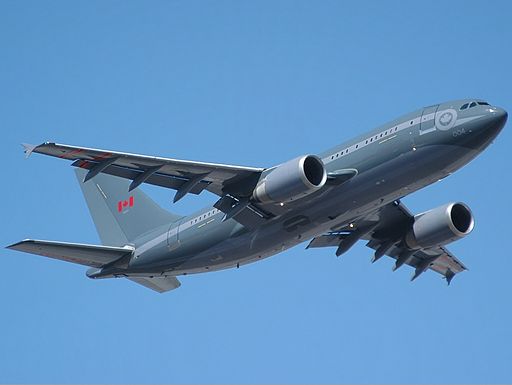
Airbus CC-150 Polaris
Airbus CC-150 Polaris: A Multi-Role Strategic Transport Powerhouse
The Airbus CC-150 Polaris stands as a testament to innovative aircraft conversion, merging commercial design with sophisticated military requirements. Originally based on the Airbus A310-300, this versatile platform is now a cornerstone for the Royal Canadian Air Force, serving in strategic transport, VIP conveyance, and air-to-air refueling roles.
Design and Conversion Process
Historical Background
The journey of the CC-150 Polaris began with its roots in the civilian aviation world. Initially built as part of the Airbus A310-300 fleet operated by Wardair, these airliners were later integrated into Canadian Airlines through corporate merger activity. Recognizing the potential of these robust airframes, the Canadian Armed Forces acquired them and initiated an extensive conversion program during the early 1990s. This move not only aimed to modernize the strategic airlift capability but also to provide a multipurpose platform adaptable for diverse operational needs.
Conversion Process
The transformation from a commercial airliner to a military multi-role asset required substantial modifications. The conversion process involved reinforcing the airframe to handle heavier loads, installing specialized avionics, and adapting the interior for multi-functional use. Four of the five aircraft were configured to operate as combi-freighters, featuring reinforced floors and side-opening cargo doors. The remaining aircraft was modified as a VIP transport, catering to the secure conveyance of government officials. Later, in response to evolving operational demands, a subset of the fleet was further converted into an air-to-air refueling tanker under the Multi Role Tanker Transport (MRTT) program, equipping them with hose-drogue refueling pods to support fighter operations.
Technical Specifications
The technical excellence of the CC-150 Polaris is rooted in its robust design and modernized systems. Its specifications mirror the blend of civilian heritage and military customization, offering a unique suite of capabilities.
Dimensions and Weight
- Length: Approximately 46.66 meters
- Wingspan: About 43.9 meters
- Height: Near 15.8 meters
- Maximum Gross Weight: Around 157,000 kg
These dimensions ensure ample space for both cargo and passenger configurations while maintaining agility and stability required for long-range missions.
Propulsion and Performance
Powered by twin turbofan engines, the aircraft delivers a balance of efficiency and power. Although derived from the A310 series, the engines are optimized through rigorous testing and upgrades to meet military standards for reliability and fuel efficiency.
- Maximum Speed: Approximately Mach 0.84
- Engine Type: High-efficiency turbofan engines (typical of the A310 family)
- Thrust and Efficiency: Calibrated to allow sustained operations over long distances while balancing fuel consumption for extended missions.
Range and Fuel Capacity
One of the Polaris’s most striking advantages is its impressive range, making it suitable for strategic operations across continents.
- Range: Up to 9,600 kilometers
- Fuel Capacity: Configured to support long-haul flights, including missions involving mid-air refueling operations for accompanying fighter aircraft during transoceanic crossings.
Avionics and Systems
Equipped with state-of-the-art military avionics, the CC-150 Polaris features modern digital systems for navigation, communication, and mission management. These systems are integral for:
- Enhanced Flight Safety: Advanced warning systems and autopilot features reduce pilot workload and increase operational safety.
- Mission Flexibility: Reconfigurable communication networks and data links adapt to various mission profiles, from logistics to strategic tanker operations.
- Digital Integration: Upgradable software platforms ensure that the Polaris remains at the forefront of technology, capable of interfacing seamlessly with other defense systems.
Multi-Role Capabilities
Combi-Freighter and Passenger Transport
The versatility of the CC-150 Polaris is underscored by its ability to serve as both a freighter and a passenger transport.
- Combi-Freighter Mode: The reinforced interiors allow simultaneous carriage of passengers, cargo, and even medical supplies, making it ideal for humanitarian crises or rapid deployment scenarios.
- VIP and Government Transport: The dedicated VIP variant offers luxurious interiors and enhanced security features, ensuring the safe and comfortable transit of high-ranking officials.
Air-to-Air Refueling (MRTT) Conversion
A significant upgrade in the Polaris fleet involved its conversion into an air-to-air refueling tanker.
- Refueling Capability: Outfitted with hose-drogue systems mounted under the wings, the tanker variant can transfer significant quantities of fuel mid-air.
- Operational Impact: This conversion restores strategic tanker capability to the RCAF, enabling support for fighter aircraft over vast distances. For instance, a single tanker is capable of ferrying multiple fighter jets, substantially extending their operational reach across oceans.
Operational Role and Strategic Importance
Operational History
Since its induction in the early 1990s, the CC-150 Polaris has played a pivotal role in Canadian defense operations. Its flexibility as a multi-mission platform has allowed it to be deployed in various scenarios—from military logistics and tactical airlift to international humanitarian missions and diplomatic transport. The aircraft’s robust performance in diverse environments underlines its critical role in maintaining Canada’s global strategic footprint.
Versatility and Mission Flexibility
The true strength of the CC-150 Polaris lies in its adaptability. Whether transporting critical supplies, carrying dignitaries, or supporting fighter operations with mid-air refueling, the aircraft has proven itself to be a reliable and strategic asset. This flexibility is further enhanced by its modernized avionics and digital systems, which allow for quick reconfiguration in response to changing mission requirements.
Future Prospects and Upgrades
Looking ahead, the CC-150 Polaris is poised to undergo further technological enhancements. Continuous upgrades in avionics, fuel efficiency, and mission-specific systems will ensure that it remains relevant in an era of rapidly advancing aerospace technology. The integration of next-generation digital platforms and potential further modifications to its air-to-air refueling systems represent promising avenues for extending its operational lifespan and enhancing its performance.
Conclusion
The Airbus CC-150 Polaris exemplifies a successful transformation of a commercial airframe into a multifaceted military asset. Its robust technical specifications, combined with an adaptable design and a proven conversion process, have made it indispensable to the Royal Canadian Air Force. Whether serving as a strategic airlifter, a high-end VIP transport, or a versatile refueling tanker, the Polaris remains a powerful symbol of modern aerospace innovation and operational excellence. Its continued evolution will undoubtedly shape the future of strategic air mobility, ensuring that it remains at the forefront of mission flexibility and global reach.
