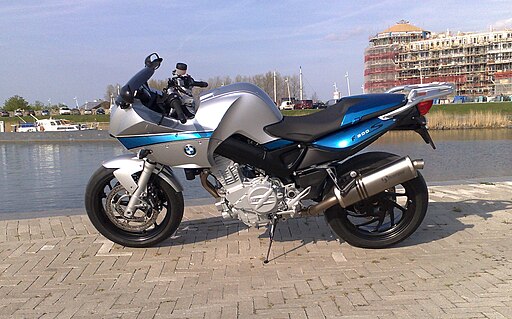
The BMW F800S is a distinctive sport motorcycle that marked a significant step in BMW Motorrad’s lineup, introducing a versatile mid-sized sportbike designed for riders seeking a balance between performance, handling, and everyday usability. Launched in the mid-2000s, the F800S combined innovative engineering with a practical design ethos, making it suitable for both spirited rides on twisty roads and comfortable commuting. Unlike BMW’s traditional large-capacity sport and touring motorcycles, the F800S was crafted with a parallel-twin engine configuration, offering a different dynamic and broad appeal in the middleweight segment.
Engine and Performance Specifications
At the heart of the BMW F800S is an 798cc parallel-twin, four-stroke, liquid-cooled engine that delivers a smooth yet potent power output. The engine features a bore and stroke of 82mm by 75.6mm, highlighting its oversquare design that prioritizes high-revving performance and agile response. This DOHC (Double Overhead Camshaft) configuration operates with four valves per cylinder, ensuring optimal airflow and combustion efficiency. The fuel delivery is managed by electronic fuel injection, which provides precise metering, smooth throttle response, and cleaner emissions.
The F800S engine produces approximately 85 horsepower at 8,000 rpm, paired with a peak torque of around 86 Nm at 5,800 rpm. This power and torque distribution results in a well-rounded riding experience, balancing spirited acceleration with tractable low-end torque useful for urban riding and mid-range overtakes. The engine is mated to a six-speed constant mesh transmission, which delivers smooth and precise gear changes, allowing the rider to exploit the engine’s powerband efficiently across various riding conditions.
Chassis and Suspension
The F800S employs a tubular steel frame with a robust, yet lightweight, design optimized for stability and agility. This frame setup contributes to the bike’s impressive handling characteristics, offering confidence-inspiring feedback and precise cornering behavior. Complementing the frame is the front suspension system, which consists of telescopic forks with adjustable preload and damping, allowing riders to fine-tune the front-end response based on their preferences or load conditions.
At the rear, the F800S features a cast aluminum single-sided swingarm, paired with a monoshock absorber that offers adjustable preload and rebound damping. This rear suspension setup not only enhances the bike’s sporty dynamics but also simplifies rear wheel maintenance due to the single-sided design. The suspension travel balances comfort and performance, absorbing bumps effectively while maintaining stability during aggressive cornering.
Braking and Wheels
Braking performance on the F800S is managed by dual front disc brakes and a single rear disc brake, with BMW utilizing advanced four-piston calipers upfront and a twin-piston caliper at the rear. This braking setup delivers strong stopping power with excellent modulation and feedback, critical for a sport-oriented motorcycle. Additionally, the bike is equipped with an ABS system as standard or optional depending on the market and model year, enhancing rider safety by preventing wheel lockup during hard braking or slippery conditions.
The wheels are lightweight cast aluminum units, measuring 17 inches in diameter both front and rear. The tire sizes typically run at 120/70 ZR17 up front and 180/55 ZR17 at the rear, offering a combination of grip, stability, and agility that supports the F800S’s sporty riding character. These tires provide a solid contact patch for both spirited cornering and stable straight-line performance.
Ergonomics and Rider Comfort
The design philosophy behind the F800S focused on creating a motorcycle that could serve dual roles—both as a sporty machine and as a daily rider. To this end, the seating position strikes a balance between aggressive sport posture and upright comfort. The seat height is approximately 790 mm, which makes the bike accessible to a wide range of riders while still maintaining an athletic stance. The handlebars are positioned to offer good leverage without forcing the rider into an overly crouched position, reducing fatigue on longer rides.
The instrument cluster features a combination of analog and digital displays, including a speedometer, tachometer, fuel gauge, and trip meters. The layout is clear and functional, providing essential information at a glance. Additional features such as optional heated grips, adjustable windscreen, and integrated luggage options further enhance the bike’s versatility for touring or daily commuting.
Fuel Efficiency and Weight
The BMW F800S is relatively lightweight for its class, with a dry weight around 204 kilograms, allowing it to feel nimble and responsive in urban environments and twisty roads alike. The wet weight, accounting for fluids including a 16-liter fuel tank, is approximately 222 kilograms. Fuel economy is one of the F800S’s strong points, with an average consumption rating of about 5 liters per 100 kilometers (47 miles per gallon), which is impressive given its sporty performance capabilities. This efficiency makes it an attractive option for riders who need a practical motorcycle without sacrificing excitement.
Technological Features and Innovations
The F800S also introduced several technological innovations that were noteworthy at its launch. BMW’s incorporation of the CAN bus electrical system helped reduce wiring complexity and improved diagnostics and reliability. The bike’s engine management system includes sophisticated features like ride-by-wire throttle control on later models, contributing to smooth and precise throttle modulation.
Furthermore, the F800S was among the early models to benefit from BMW’s optional electronic suspension adjustment (ESA), which allowed riders to change suspension settings electronically to match road conditions or riding style, a feature rarely found on motorcycles in this segment at the time. This forward-thinking integration of technology helped the F800S stand out as a modern and versatile sport motorcycle.
Conclusion
The BMW F800S represents a well-engineered blend of performance, comfort, and technology in the mid-sized sportbike category. Its parallel-twin engine, balanced chassis dynamics, and advanced features create a motorcycle that appeals to riders looking for versatility without compromising sportiness. With its combination of technical refinement and everyday usability, the F800S remains a notable model in BMW’s history, influencing the development of subsequent motorcycles in the mid-capacity sport and roadster segments.
