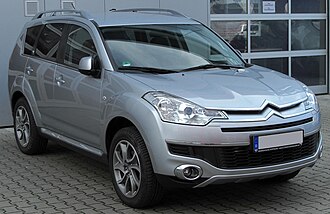
The Citroën C‑Crosser holds a unique place in the modern used‑car market. Launched in the mid‑2000s as part of the wave of compact SUVs, it was intended to represent a practical, comfortable, and competent choice for buyers seeking something more versatile than a traditional hatchback, yet more refined than the boxy 4x4s of earlier decades. The C‑Crosser was developed through a collaboration between Citroën, Mitsubishi, and Peugeot, becoming mechanically identical to the Mitsubishi Outlander and sharing many components and design philosophies. While early press responses were mixed and sales figures never matched those of rivals from Toyota, Honda, or Nissan, the C‑Crosser nonetheless carved out a loyal following. In the present day, as a used car, it presents intriguing value for buyers who want robust SUV capabilities without paying new‑car premiums. This article explores the C‑Crosser from every technical and practical angle: its design philosophy, engine choices, driving characteristics, reliability considerations, common issues, maintenance requirements, ownership experience, cost of parts and repairs, safety credentials, and overall suitability for modern drivers.
As more urban and suburban drivers look for capable family vehicles that can deal with varying weather, occasional off‑road excursions, and generous cargo capacity, the C‑Crosser fits a niche of sensible practicality. However, because it was never a high‑volume seller in many markets, examples in good condition can still be found at competitive used prices, often undercutting more popular competitors. Understanding what you’re getting — and what compromises you might face — is essential before investing in one as a used car. Our goal here is to equip you with thorough, well‑structured information so that the decision to buy a used C‑Crosser is grounded in clear insight rather than hope.
Design and Packaging: Exterior and Interior Architecture
In terms of exterior design, the Citroën C‑Crosser is best described as understated among its SUV peers. It doesn’t have the bold, angular lines of later crossover trends, nor the rugged, aggressive styling of hardcore off‑roaders. Instead, it carries a clean and functional silhouette, with smooth panels, a relatively upright stance, and design cues borrowed from both European and Japanese SUV traditions. Front‑end styling features broad headlamp clusters, a modest grille with the Citroën double chevron emblem, and an aerodynamic bumper that suggests efficiency more than muscularity. Side profiles emphasize practicality with large doors, a high roofline for generous interior space, and relatively modest wheel arches that accommodate 17‑ to 18‑inch alloy wheels. In rear view, the tailgate design is simple, with vertical tail lamps that wrap slightly onto the rear flanks to improve visibility and aesthetics.
Inside, the C‑Crosser prioritizes utility mixed with comfort. Citroën is known for an emphasis on ergonomic design, and this is evident in the layout of controls, seating comfort, and overall cabin ambiance. The dashboard is straightforward: large, easy‑to‑read gauges, logically placed switches, and clear ventilation controls. Materials lean toward durability rather than luxury; hard plastics are common, particularly in lower trim levels. However, higher trim and optional packages introduce softer materials, contrast stitching, and added features like dual‑zone climate control, satellite navigation, and premium audio systems. Seating is generous for front and rear passengers, with a commanding seating position that’s appreciated in heavy traffic or on rough roads. The rear bench can accommodate three adults in a pinch, though two will enjoy better comfort and access to optional features like individual fold‑down armrests and separate climate vents.
Cargo practicality is a strong suit. The C‑Crosser’s liftback tailgate opens wide to reveal a substantial luggage area that expands further when the rear seats are folded flat, providing a nearly level load floor ideal for large items. Roofrails are standard on many models, allowing for additional cargo solutions like rooftop boxes or bike racks. As a used car, buyers value this flexibility, especially those transitioning from smaller hatchbacks who suddenly find themselves needing space for sports equipment, pets, or family luggage.
Engine Choices and Powertrain Options
Under the bonnet, the Citroën C‑Crosser generally comes with a diesel engine, reflecting European market preferences where torque, fuel economy, and longevity are prized. The most common engine fitted to the C‑Crosser is a 2.2‑liter turbocharged direct‑injection diesel unit, developed jointly with Mitsubishi and known for delivering robust low‑end torque — essential for hauling cargo and for confident overtaking on highways. In most markets, this engine produces around 156 horsepower and significant torque figures often in excess of 380 Nm. Unlike many petrol engines that chase peak horsepower, the C‑Crosser’s diesel is tuned for linear, tractable performance that helps with everyday driving.
Two drivetrain layouts were generally offered: front‑wheel drive (FWD) and full‑time four‑wheel drive (4WD). The 4WD system in the C‑Crosser is mechanically sophisticated for its era — unlike part‑time solutions that rely on locking hubs and driver intervention, this system uses electronic sensors and automated torque distribution to send power where it’s needed most. It provides enhanced traction in wet, snowy, or loose surface conditions without requiring driver fiddling. Buyers looking at used models need to understand which drivetrain they’re considering, as the 4WD system adds weight and complexity, but also resale value and versatility. Transmission choices include a conventional 6‑speed manual and a 6‑speed automatic, the latter often preferred in used markets for its ease of use in city driving or stop‑start commuter routes.
Fuel economy for the diesel engine is respectable for an SUV of this size, especially in FWD form. Estimates vary by model year and driving conditions, but used buyers can expect figures competitive with class rivals when driven judiciously. However, as with all diesel engines, the real‑world fuel economy is often better than official figures suggest — particularly on longer journeys where the torque advantage can be fully utilized.
Ride and Handling Characteristics
Driving dynamics are a key consideration for anyone choosing a used car, and the Citroën C‑Crosser occupies a comfortable middle ground. It isn’t a sports SUV designed to delight with razor‑sharp turns or lightning responses, but neither is it a lumbering giant that feels unwieldy. Steering feel is precise enough for confident highway cruising and tight enough for urban maneuvering. Suspension tuning leans toward comfort, soaking up bumps and surface irregularities with a composed demeanor common to Citroën vehicles. This makes long journeys less tiring for driver and passengers alike, a hallmark of the brand’s approach to ride quality.
In 4WD mode, the handling balance shifts slightly toward grip confidence rather than outright agility. On damp or slippery surfaces, the system’s torque allocation works to maintain traction, reducing wheelspin and providing a reassuring sense of stability. Although the C‑Crosser won’t rival dedicated off‑road SUVs with low‑range gearing and heavy‑duty underbody protection, it handles gravel roads, muddy tracks, and snowy inclines better than many of its crossover contemporaries.
Braking performance is stable and predictable, with ventilated discs up front and solid discs at the rear giving consistent stopping power. ABS and electronic brakeforce distribution (EBD) were standard on most trim levels, helping maintain stability during sudden braking events — an important safety consideration for families or drivers carrying heavy loads.
Interior Comfort and Practical Features
Inside, comfort was always a priority for Citroën, even when engineering partnerships meant the C‑Crosser shared its platform with the Mitsubishi Outlander. Seats are shaped to reduce fatigue over long distances, and many used examples come equipped with adjustable driver seating, lumbar support, and heating elements. Rear passengers often enjoy generous legroom and headroom, aided by that upright roofline. Visibility is strong in all directions, thanks to large windows and a relatively low beltline — a boon for drivers who don’t want to play a guessing game at junctions or when parking.
Storage solutions abound. Cup holders, door bins, a roomy glovebox, and centre console compartments make it easy to stow everyday carry items. The cargo area, as mentioned earlier, is flexible and deep, and many variants offer tie‑down hooks or optional nets to secure smaller goods. Fold‑flat rear seats expand the usability further, turning the C‑Crosser into a vehicle capable of moving furniture pieces, bicycles, or camping gear with minimal fuss.
On the technology front, many used C‑Crosser models found today are equipped with features quite modern for their launch era: integrated navigation, Bluetooth connectivity, multi‑zone climate control, parking sensors, and premium audio systems. While some earlier base models lack these features, the used market typically offers a range of trim and option levels from which to choose, allowing buyers to select examples that match their expectations for comfort and convenience.
Safety Systems and Ratings
Safety is a critical factor for any used car purchase, especially for families or frequent travellers. The Citroën C‑Crosser comes with a comprehensive suite of safety features for its generation. Standard equipment on most trims includes multiple airbags — front, side, and curtain — designed to protect occupants in a range of collision scenarios. Electronic stability control (ESC) helps maintain directional control under stress, while anti‑lock braking (ABS) and traction control systems reduce the likelihood of wheel skid during emergency maneuvers.
Crash test ratings varied by market and testing authority, but in general, the C‑Crosser performed competently in frontal, side, and rollover assessments. Buyers should consult specific crash test results for their region and year of interest, as structural changes and safety pack upgrades were introduced over the model’s lifecycle. Features like ISOFIX child seat anchors were standard, making it easier and safer to install modern child restraints — a crucial consideration for young families.
Adaptive safety features like lane‑departure warnings, blind‑spot monitoring, and autonomous emergency braking were less common in early examples but appear on later models and higher trim levels. Used buyers who prioritize advanced safety technology may need to seek out specific variants that include optional driver‑assistance packages.
Known Issues and Reliability Considerations
Understanding the reliability profile of any used car is essential, and the Citroën C‑Crosser — while generally robust — does have known areas that require attention. Diesel engines, in particular, need proper servicing, especially concerning the turbocharger, diesel particulate filter (DPF), and high‑pressure fuel system components. Neglecting regular oil changes or diesel quality issues can lead to expensive repairs. As with many turbodiesels, prolonged low‑speed city driving without intermittent highway runs can accelerate soot buildup in the DPF, potentially causing blockage issues. Buyers are advised to check service history carefully and, if possible, choose examples with documented highway use.
The 4WD system, while capable, includes sensors and actuators that can wear over time. Symptoms of impending issues include warning lights on the dashboard, unusual noises when engaging 4WD, or inconsistent torque distribution. Regular checks of the transfer case and related components can save costly repairs later. Suspension bushes and shock absorbers can wear in high‑mileage examples, leading to less composed handling and increased road noise. These are relatively inexpensive fixes compared to engine or transmission repairs, but should be factored into the used‑car purchasing budget.
Electrical gremlins are not unheard of, particularly in early production models. These can manifest as intermittent faults in infotainment systems, power windows, climate control interfaces, or central locking mechanisms. Often, such issues are down to aging connectors or software bugs rather than fundamental design flaws, but they do require diagnostic time and sometimes replacement parts, which affect ownership costs.
Maintenance and Service Costs
One of the reasons the C‑Crosser can be an attractive used car is that maintenance and service costs tend to be reasonable compared with premium SUVs or luxury brands. Routine services — oil changes, filter replacements, brake checks, and tyre rotations — are straightforward for independent mechanics familiar with Citroën and Mitsubishi platforms. Genuine parts availability in many markets remains solid, partly because of the shared components with the Mitsubishi Outlander.
Major services that involve timing belt replacements, clutch servicing (for manuals), or transmission fluid changes need to be scheduled according to manufacturer intervals and can be more expensive, especially if performed at dealerships. Still, these costs are predictable and routinely budgeted for by experienced owners.
Insurance premiums, road tax, and fuel costs are other ownership considerations. The diesel engine, while thirsty compared to modern hybrid options, typically offers lower running costs than equivalent petrol SUVs. Road tax is often influenced by CO₂ emissions — and here the diesel’s efficiency can work in the buyer’s favor. Insurance costs vary by driver profile, region, and trim level, but the C‑Crosser generally sits in mid‑range categories, avoiding the higher brackets associated with performance‑oriented SUVs.
Buyer’s Checklist: What to Inspect in a Used Citroën C‑Crosser
When inspecting a used Citroën C‑Crosser, prospective buyers should start with a thorough review of service history. Confirm that oil changes have occurred at appropriate intervals, that the DPF has been serviced or regenerated regularly, and that there is documentation for any major repairs. Test drive the vehicle in different conditions: city traffic, highway cruising, and if possible, uneven or gravel surfaces to assess suspension behavior and 4WD engagement.
During the test drive, pay attention to any unusual engine noises, turbo lag inconsistencies, or hesitation in gearbox shifts — particularly in automatic transmissions. On 4WD models, ensure that the system engages smoothly and without unexpected clunks or delays. Check the functionality of all electrical systems — climate control, infotainment, lights, windows, and seat adjustments. Look for signs of water ingress, rust around wheel arches, door bottoms, and underbody, particularly if the car has seen winter road salt environments.
Under the bonnet, inspect hoses for cracks or oil residue, check that the battery is in good condition, and look for any signs of coolant leaks. In the interior, worn seat upholstery, excessive wear on steering wheel or pedals, and odometer‑discrepant service records can indicate hard use or tampering.
Ownership Experience and Community Insights
Owners of the Citroën C‑Crosser often cite its comfortable ride, capable diesel engine, and spacious interior as major positives. Many appreciate the car’s stability on highways and ability to handle adverse weather conditions with confidence, particularly in 4WD configurations. Enthusiasts who enjoy adventure travel also highlight the practicality of its cargo space and the ability to add accessories like roof racks, tow bars, and all‑weather mats without compromising the vehicle’s general usability.
Online forums and owner communities provide additional insights into common upgrades and problem‑solving strategies. From replacing aging suspension bushes to retrofitting modern infotainment systems with smartphone integration, the shared wisdom of owners helps future buyers make better decisions and anticipate long‑term maintenance concerns. These communities also offer a sense of camaraderie, which can be reassuring for someone new to Citroën ownership.
Conclusion: A Balanced Perspective on Buying a Used C‑Crosser
In summary, the Citroën C‑Crosser as a used car represents a compelling combination of practicality, comfort, and capable performance. While not the flashiest SUV of its generation, it compensates with solid diesel engines, generous interior space, a composed ride, and competitive running costs. Buyers who prioritize value and sensible engineering will find much to appreciate, particularly when selecting well‑maintained examples with documented histories.
Potential downsides — such as the need for diligent diesel maintenance, occasional electrical quirks, and the complexity of the 4WD system — are manageable with informed inspection and proper service planning. For families, commuters, and adventure seekers alike, choosing the C‑Crosser means embracing sensible utility over headline‑grabbing features, and in the used market, this pragmatic appeal translates to enduring relevance.
Technical Specification Table
| Parameter | Specification |
|---|---|
| Model | Citroën C‑Crosser |
| Production Years | 2007 – 2012 (varies by market) |
| Body Style | 5‑door SUV |
| Engine Type | 2.2L Turbo Diesel (HDI) |
| Configuration | Inline‑4, Turbocharged |
| Displacement | 2,179 cc |
| Maximum Power | ≈ 156 hp (115 kW) @ ~4,000 rpm |
| Maximum Torque | ≈ 380–400 Nm @ ~2,000 rpm |
| Transmission Options | 6‑speed Manual / 6‑speed Automatic |
| Drivetrain | Front‑Wheel Drive or Full‑Time 4WD |
| Fuel System | Common‑rail Direct Injection |
| Fuel Type | Diesel |
| Top Speed | ≈ 185 km/h (varies by spec) |
| 0–100 km/h | ~10–11 seconds (varies by spec) |
| Combined Fuel Consumption | ~7.5–8.5 L/100 km (varies by driving conditions) |
| CO₂ Emissions | ~200–220 g/km (approximate) |
| Length | ~4,570 mm |
| Width | ~1,810 mm |
| Height | ~1,680 mm |
| Wheelbase | ~2,670 mm |
| Curb Weight | ~1,550–1,650 kg |
| Fuel Tank Capacity | ~60 L |
| Seating Capacity | 5 |
| Cargo Capacity | ~400–1,600+ L (rear seats folded) |
| Front Suspension | Independent MacPherson struts |
| Rear Suspension | Multi‑link |
| Brakes Front/Rear | Ventilated Discs / Solid Discs |
| Steering | Electric Power Steering |
| Safety Features | Multiple Airbags, ABS, ESC, Traction Control |
| Optional Features | Navigation, Parking Sensors, Climate Control, Roof Rails |
