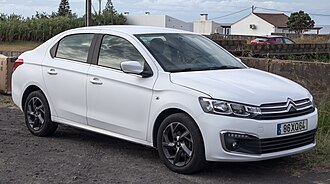
The Citroën C‑Elysée is one of those cars that may not have made headlines with flashy design or record‑breaking sales, but quietly earned a reputation for being a sensible, reliable, and cost‑effective choice, particularly in the used car marketplace. Positioned as a compact sedan with roots firmly planted in practicality rather than prestige, the C‑Elysée fulfills the needs of drivers who value comfort, efficiency, and long‑term ownership value. In many countries it became a staple of taxi and fleet services precisely because it offered predictable running costs, easy maintenance, and sufficient space for passengers and luggage alike. Yet, despite its widespread use in commercial contexts, private buyers don’t always give it the attention it deserves. As used values soften with age, the C‑Elysée becomes a compelling proposition for individuals and families seeking a no‑nonsense vehicle with sensible running costs and a comfortable driving experience.
When buyers explore the used car market, priorities often shift compared with new car buyers. Instead of chasing the latest technology or premium badges, they look for proven mechanicals, parts availability, ease of servicing, and real‑world economy. In these areas, the C‑Elysée scores strongly. It is built around simple, robust architecture with proven engines, uncomplicated electronics, and a platform engineered for longevity. Far from being an exciting car in the enthusiast sense, it instead appeals to those who want predictable behavior, a comfortable ride, and a car that doesn’t demand constant attention. This article will walk you through the design ethos of the C‑Elysée, its engines and powertrains, interior comfort and practicality, reliability and common issues, ownership costs, safety features, what to inspect when buying used, and how it compares with rivals in today’s market. The goal is to give buyers a thorough, grounded understanding so that a used C‑Elysée purchase feels like a well‑informed decision and not a leap of faith.
The Genesis of the C‑Elysée: Design and Purpose
When Citroën introduced the C‑Elysée, the strategic intent was clear: offer a compact sedan that blended practicality with everyday functionality while maintaining low ownership costs. It wasn’t designed to be stylistically bold or technologically avant‑garde; instead, it aimed to serve as a solid, workaday vehicle that put utility first. In many global markets — especially in emerging regions where sedans are preferred over hatchbacks — the C‑Elysée was positioned as a smart choice for drivers who wanted a roomy interior, stable handling, and straightforward mechanicals without a premium price tag.
From a design perspective, the C‑Elysée’s exterior is conservative and unpretentious, avoiding aggressive lines or sporty accents. Its proportions are balanced, with a long bonnet that slopes gently into a swept‑back windshield, and a roofline that extends rearwards to a spacious trunk. The styling signals practicality above all else: large, functional headlights for good night‑time visibility, modest chrome accents that convey durability, and a rear end shaped to maximize luggage space. Inside, the emphasis remains on utility and comfort. Materials are chosen for durability rather than flair, controls are laid out intuitively, and seating is designed to be comfortable over long distances. Citroën deliberately eschewed oversized touchscreens or overly complex menus in favor of tactile buttons and knobs that drivers can operate by feel — a choice that reduces distractions and potential long‑term maintenance issues.
Interestingly, the C‑Elysée’s design philosophy reflects a broader trend within the automotive industry: create vehicles that excel at everyday tasks rather than trying to dazzle with fleeting trends. This approach helps explain why the C‑Elysée remains a favorite in the used car sphere; its strengths are not in novelty, but in long‑lasting value, predictability, and an absence of unnecessary complexity.
Engines and Powertrains: Balancing Simplicity and Efficiency
One of the strongest selling points of the Citroën C‑Elysée as a used car is its range of engines that prioritize reliability and efficiency. Across its model life, Citroën offered a variety of petrol and diesel powerplants, typically small in displacement but tuned to make the most of their modest outputs. This approach aligns with the car’s overall mission: deliver usable power without hunger for fuel or expensive parts.
For many buyers, petrol engines are the norm, especially in urban and suburban use where diesel’s advantages are less pronounced. Petrol engines in the C‑Elysée are typically in the 1.2‑, 1.6‑, and sometimes 1.8‑liter range, depending on market and model year. These engines favor smoothness over outright performance. Power figures are modest, often in the range of 70 to 115 horsepower, but they deliver reliable acceleration suitable for everyday commuting, highway cruising, and family errands. Smaller engines tend to be paired with five‑speed manual gearboxes that are easy to operate and inexpensive to maintain, while some higher‑spec models offer automatic transmissions for drivers who prefer convenience over engagement.
Diesel versions — particularly in markets where diesel remains popular — employ small‑displacement turbocharged units known for their torque‑leaning characteristics. Torque, rather than peak horsepower, is what gives diesel engines their useful driveability in real conditions. The diesel variants in the C‑Elysée often produce substantial low‑end torque figures that make highway overtaking and hill climbs feel confident even with a full passenger load. Diesel engines also tend to offer superior fuel economy compared with their petrol counterparts; this advantage becomes especially noticeable over long distances, making diesel trims particularly attractive for high‑mileage drivers or those who frequently undertake long commutes.
Citroën’s engineering philosophy leans heavily toward simplicity and ease of serviceability. The engines are designed around common‑rail fuel injection systems that balance efficiency with durability, and ancillary systems are laid out with accessibility in mind. Used car owners benefit from this approach because routine servicing doesn’t require exotic diagnostic tools or specialized expertise — independent mechanics familiar with small European sedans can often handle oil changes, belts, brakes, and other regular maintenance tasks with ease. This ease of maintenance significantly reduces the cost of ownership over time, a factor that savvy used car buyers always weigh heavily.
Ride Quality, Handling, and Driver Experience
The Citroën C‑Elysée is not a sports sedan, and it does not pretend to be one. Its ride and handling dynamics are designed to favor comfort, stability, and predictability, making it an ideal companion for daily driving, long tours, and varied road conditions. Citroën has earned a reputation over decades for tuning suspension systems to prioritize ride smoothness, and the C‑Elysée carries this tradition forward with a suspension setup that absorbs bumps, potholes, and uneven surfaces with impressive composure.
Drivers who experience the C‑Elysée for the first time often comment on how relaxed the cabin feels at speed. The steering is weighted to feel confident without being overly heavy, and the car’s body control minimizes harsh reactions to mid‑corner undulations. On highways, wind and road noise are subdued, contributing to a sense of calm and ease. While this sedan may lack the taut, precise feedback of a performance‑oriented vehicle, its balanced handling and comfortable demeanor make it forgiving and confidence‑inspiring for drivers of all skill levels.
The steering, though not exceptionally communicative, is tuned for predictability — a characteristic that becomes especially valuable in urban environments or during longer journeys. Tight turns and parking maneuvers are manageable thanks to decent turning radius and responsive steering ratios. Suspension travel is generous, which helps when encountering rougher surfaces or speed bumps; passengers in the back seats often remark on the absence of harsh jolts that plague many compact sedans.
Automatic transmissions, where available, tend to favor smoothness over quick shifts. They upshift early to conserve fuel and hold gears to maintain momentum under load, making them ideal for stop‑and‑go traffic. Manual gearboxes are light and intuitive, with short clear throws between ratios that make them easy to use even for drivers new to stick‑shift driving. This combination of accessible controls and relaxed ride quality makes the C‑Elysée an attractive choice for drivers who prioritize comfort and ease over agility or exhilaration.
Interior Comfort: Space, Usability, and Ergonomics
Inside, the Citroën C‑Elysée embodies its overarching philosophy: generous space, functional usability, and a cabin that prioritizes comfort over flashy design. One of the car’s greatest strengths — particularly when evaluating it as a used vehicle — is how well the interior design has stood the test of time. Unlike many contemporary cars that rely on trendy materials and complex interfaces, the C‑Elysée uses materials selected for durability and ease of cleaning — ideal for families, taxi services, and high‑use scenarios.
Seating is notably comfortable for a compact sedan. The seats are well‑shaped and supportive, with sufficiently contoured padding that reduces fatigue during longer drives. Headroom and legroom in both front and rear are generous compared with many hatchbacks and smaller sedans. This extra space makes the C‑Elysée especially appealing to taller passengers or those who frequently transport adults in the rear seats. Rear bench seating is comfortable enough for three adults in short to moderate journeys, and the relatively flat floor ensures decent comfort even for the middle passenger.
Practical storage abounds in the cabin: door pockets large enough to hold water bottles, a glovebox that accommodates documents and small items, and center console cubbies that keep frequently used objects within reach. The trunk, with its broad opening and deep cargo floor, offers ample capacity for groceries, luggage, sports equipment — often exceeding what competitors in the same class provide. For buyers who value unmistakable practicality in a used car, this is a major advantage.
Controls are designed to be intuitive. Climate control dials are large and easy to operate, even while driving, and audio controls are arranged logically. Many C‑Elysée models include steering wheel‑mounted controls for volume and audio source selection, which reduce driver distraction. Infotainment systems tend to be straightforward rather than extravagant, offering the essentials — radio, CD player, Bluetooth connectivity — without overwhelming users with a complicated interface. This simplicity actually benefits used‑car owners, because fewer electronic features mean fewer potential failure points as the vehicle ages.
Safety Features and Real‑World Protection
Safety is an essential component of evaluating any used car, and the Citroën C‑Elysée delivers a well‑rounded safety package for its era. While it may not boast the full suite of advanced driver‑assistance systems (ADAS) found in newer vehicles, the core features that matter most in everyday driving are present and robustly implemented. Standard safety equipment typically includes multiple airbags — front and side — designed to cushion occupants in the event of a collision, as well as anti‑lock braking systems (ABS) that help maintain control during hard braking. Electronic brakeforce distribution (EBD) further enhances stopping stability, especially when carrying heavy loads or passengers.
Body structure and crashworthiness are engineered to meet or exceed safety norms for the markets in which the C‑Elysée was sold. While official crash ratings may vary by country and testing authority, drivers generally report that the car performs solidly in frontal impact, side impact, and rollover protection categories. ISOFIX anchor points for child seats are usually fitted to rear seating positions, making it straightforward to install child restraints safely — an important factor for families.
Driver aids like traction control and stability control are typically offered on higher trim levels or modern revisions. These systems help maintain directional stability in slippery conditions and can intervene when wheel slip is detected. Though some rivals offer more sophisticated electronic safety nets like lane‑departure warnings, adaptive cruise control, or automatic emergency braking, the C‑Elysée’s core safety equipment remains relevant and capable for everyday use, particularly in urban environments and moderate highway speeds.
Reliability and Known Issues: What Used Buyers Should Know
Reliability is often the most critical question buyers ask when considering a used car, and the Citroën C‑Elysée has a reputation for solid mechanical resilience when properly maintained. Its engines and drivetrain components are built with conservative tolerances and straightforward engineering — attributes that favor longevity. Petrol engines in particular tend to run cleanly and respond well to routine servicing, while diesel engines — when cared for with regular oil changes and periodic long‑distance driving to maintain turbo health — can endure high mileage without major issues.
That said, all used cars have areas that deserve special attention, and the C‑Elysée is no exception. Common minor complaints among older models tend to center on electrical components — power window switches, central locking actuators, and infotainment system quirks are typical of aging vehicles with complex wiring harnesses. These issues rarely impair drivability but can be irritating if unaddressed. Fortunately, they are often inexpensive to diagnose and repair.
Suspension wear is another item to inspect. Over years of service, suspension bushes, shock absorbers, and related components can deteriorate, leading to reduced ride quality or increased road noise. A thorough pre‑purchase inspection can pinpoint worn parts before they become costly problems. Brake pads and discs should also be checked, particularly because many used cars may have had multiple owners with varying maintenance habits.
Diesel variants require attention to their particulate filters (DPF) and turbochargers. If a car has been driven almost exclusively on short city trips, the DPF may be at risk of clogging — a condition that can be expensive to remedy if left unmonitored. Similarly, turbos need periodic high‑speed runs to clear carbon build‑up; a C‑Elysée that has never seen sustained highway use may show signs of premature wear. Fuel filters and oil changes on strict intervals are essential for diesel longevity, and documented service history is a major advantage when evaluating used examples.
Overall, the C‑Elysée’s reliability is strengthened by its simplicity. It avoids exotic mechanical arrangements that could complicate servicing, and parts availability remains reasonable because many components are shared with other PSA Group models. Independent mechanics familiar with small European sedans will usually be comfortable maintaining and repairing the car, which keeps ownership costs down compared with more exotic or premium competitors.
Cost of Ownership: Fuel, Insurance, and Maintenance
One of the chief attractions of a used Citroën C‑Elysée is its relatively low cost of ownership. Compared with larger sedans and crossovers, fuel consumption is modest across engine options. Petrol engines tend to deliver respectable economy in urban conditions and hold up even better on open roads. Diesel engines often achieve superior long‑distance economy, which becomes especially noticeable for drivers with high annual mileage. Insurance premiums for the C‑Elysée are typically moderate thanks to its modest power output and strong safety equipment, making it less costly to insure than performance‑oriented cars or premium brand sedans.
Maintenance is another area where the C‑Elysée shines. Because mechanical systems are laid out with accessibility and simplicity in mind, routine servicing doesn’t demand specialized tools or highly exotic expertise. Common replacement parts such as brake pads, suspension components, filters, and belts are affordable and widely available. Independent garages are often willing to service this model precisely because it’s uncomplicated and predictable in its servicing needs.
Taxation depends heavily on your region and emissions standards, but generally speaking the C‑Elysée’s smaller engines and relatively low emissions figures help it avoid the higher tax brackets that plague larger sedans or high‑output vehicles. This can translate into significant savings over years of ownership — savings that add up not just in direct costs, but in the overall sense of value derived from the car.
How the C‑Elysée Compares With Rivals in Today’s Used‑Car Market
In the competitive world of compact used sedans, the C‑Elysée stacks up well against many rivals. While it may not offer the brand prestige of premium badges or the high‑tech features of newer models, it delivers consistent value where it matters most: practicality, affordability, and long‑term usability. Compared with older versions of Toyota Corolla, Honda Civic, or Ford Focus sedans, the C‑Elysée often undercuts them in price while offering similar or better internal space and ease of maintenance.
Where some competitors emphasize driving excitement or cutting‑edge infotainment, the C‑Elysée doubles down on comfort and straightforward functionality. For drivers who are less interested in horsepower figures and more interested in a car that reliably gets them from A to B with minimal fuss, this can be a decisive advantage. Fuel economy is competitive with many rivals, and the cost of servicing and parts is often lower than vehicles that demand specialized servicing routines or more frequent scheduled maintenance.
For buyers who want advanced driving aids — lane‑keep assist, forward‑collision warnings, or adaptive cruise control — the C‑Elysée may feel dated compared with late‑model rivals that include such features as standard. But this trade‑off is usually reflected in the price: a used C‑Elysée that lacks flashy driver‑aid technology may still be significantly more affordable than a rival with a full suite of electronics. It becomes a question of priorities: do you want the latest bells and whistles, or do you want a proven, uncomplicated car that simply works?
Pre‑Purchase Checklist: What to Inspect Before Buying
A thorough inspection is essential when considering any used car purchase, and the C‑Elysée is no different. Start with service history: documented maintenance is worth more than assurances from the seller. Confirm that oil changes were performed on schedule, that brake system checks were done regularly, and that timing belts (if applicable) have been replaced within recommended intervals. For diesel models, ask about DPF servicing and whether the car has seen highway use — short city trips alone are not ideal for diesel engines.
During a test drive, pay attention to engine smoothness, unusual noises, and how the car responds under acceleration and braking. Suspension should feel composed; any clunks or excessive bounce may indicate worn bushes or shock absorbers. Electric components such as power windows, locks, lights, and infotainment units should be tested thoroughly — minor electrical issues are common in aging cars and can be inexpensive to fix, but it’s good to know what you’re dealing with upfront.
Under the bonnet, check for oil residue, signs of coolant leaks, and the condition of belts and hoses. Cold‑start behavior — how the engine starts and runs when first ignited — can reveal issues with ignition systems or fuel delivery. On automatic transmissions, shifts should be smooth and without hesitation; jerky behavior may suggest a service or fluid issue.
Lastly, inspect the body for signs of rust, repainting, or uneven panel gaps — indicators of previous damage or poor repair work. A thorough test of air conditioning, heaters, and ventilation is also important, as these systems can deteriorate with age and cost several hundred euros to rectify if they fail.
Conclusion: Is the C‑Elysée Right for You?
Choosing a used Citroën C‑Elysée is ultimately a decision grounded in practicality rather than passion. It is not a car that will win awards for dynamic flair or cutting‑edge tech, but it is a car that consistently delivers reliable service, straightforward maintenance, reasonable fuel costs, and a comfortable ride. For first‑time buyers, commuters, families seeking a budget‑friendly sedan, or anyone who values sensible engineering and predictable ownership costs, the C‑Elysée stands out as a well‑rounded choice.
As with any used purchase, careful inspection, awareness of service history, and a clear understanding of your own driving needs will ensure that the car you select becomes a dependable partner rather than a regretful investment. The C‑Elysée’s strengths lie in its simplicity, comfort, and everyday usability — qualities that often become more appreciated with experience and miles on the clock. For buyers who prioritize those attributes, it remains a compelling proposition long after its first sale.
Technical Specifications Table
| Specification | Details |
|---|---|
| Model | Citroën C‑Elysée |
| Body Style | 4‑door compact sedan |
| Production Years | Varies by market, broadly mid‑2010s onward |
| Layout | Front‑engine, front‑wheel drive |
| Petrol Engines | 1.2L, 1.6L (varies by region) |
| Diesel Engines | 1.6L turbo diesel (where available) |
| Transmission Types | 5‑speed manual, Optional automatic |
| Power Output (Petrol) | Approx. 70–115 hp (depending on engine) |
| Torque (Petrol) | ~100–150 Nm (approximate range) |
| Power Output (Diesel) | ~90–100 hp (region dependent) |
| Torque (Diesel) | ~200–240 Nm (approximate) |
| Fuel System | Multi‑point injection / common‑rail diesel |
| Fuel Type | Petrol or diesel |
| Fuel Tank Capacity | ~50–55 liters |
| Length | ~4,400–4,450 mm |
| Width | ~1,700–1,740 mm |
| Height | ~1,450–1,480 mm |
| Wheelbase | ~2,650 mm |
| Curb Weight | ~1,050–1,200 kg |
| Seating Capacity | 5 |
| Trunk Volume | ~440–500+ liters |
| Suspension (Front) | MacPherson strut |
| Suspension (Rear) | Torsion beam |
| Brakes (Front) | Disc |
| Brakes (Rear) | Drum or disc (market dependent) |
| Steering | Electric power steering |
| Safety Features | ABS, airbags, stability control (on select trims) |
| Standard Features | Manual A/C, audio system, power accessories |
| Optional Features | Bluetooth, navigation, rear sensors |
_%E2%80%93_f_04092025.jpg)