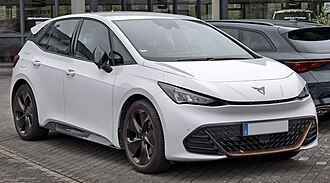
The Cupra Born represents a major turning point not only for the sporty sub-brand Cupra but also for the broader transition toward electrification within the Volkswagen Group. Introduced in 2021 as the brand’s first fully electric production model, the Born is positioned as a sporty alternative to mainstream electric hatchbacks, blending performance-oriented styling with modern EV technology.
As a used car, the Cupra Born occupies a fascinating niche. Unlike older internal combustion vehicles, it represents a new generation of electric mobility, where buyers must consider factors such as battery health, charging infrastructure, and software updates alongside traditional aspects like comfort, practicality, and reliability. Its relatively recent introduction means that most used examples are still fairly young, often coming from leasing fleets or company car programs.
This comprehensive blog article explores the Cupra Born as a used car in depth. It covers design, interior, electric drivetrain, driving characteristics, reliability, battery considerations, real-world ownership costs, and market positioning. If you are considering stepping into the world of electric vehicles through a used Cupra Born, this guide will give you a complete and practical overview.
Design and Exterior Styling
The Cupra Born stands out immediately thanks to its aggressive and modern design language. While it shares its technical foundation with the Volkswagen ID.3, the Born adopts a much sportier and more distinctive aesthetic.
The front end features sharp LED headlights, a sculpted bonnet, and copper accents that have become a signature of the Cupra brand. The side profile is clean yet dynamic, with aerodynamic lines that improve efficiency while enhancing visual appeal. The rear design incorporates a full-width LED light strip and a subtle roof spoiler, emphasizing the car’s sporty character.
Dimensionally, the Born sits firmly in the compact family car segment, offering a practical footprint without feeling bulky. Its proportions are well-balanced, and its relatively low stance contributes to both aesthetics and aerodynamics.
As a used car, exterior condition is usually good due to the vehicle’s young age. However, buyers should still inspect for typical issues such as alloy wheel damage, scratches, and signs of previous repairs. The paint quality is generally high, and corrosion is not a concern given the car’s modern construction.
Interior and Cabin Experience
Inside, the Cupra Born reflects a modern and minimalist approach typical of contemporary electric vehicles. The cabin design is heavily influenced by digital interfaces, with a focus on clean surfaces and a reduction in physical buttons.
The central touchscreen controls most functions, including climate settings, navigation, and media. While this creates a sleek appearance, some users may find it less intuitive than traditional controls. The digital instrument cluster provides essential driving information, and higher-spec models include features such as a head-up display with augmented reality.
Material quality is generally good, with a mix of soft-touch surfaces, recycled materials, and sporty accents. The seats are supportive and comfortable, particularly in models equipped with sport seats, which offer excellent lateral support.
Space is one of the Born’s strengths. Thanks to the dedicated electric platform, the cabin feels airy and spacious. Rear passengers benefit from generous legroom, and the flat floor enhances comfort. The boot capacity of around 385 liters is competitive within the segment, making the car suitable for everyday use and family trips.
For used buyers, it is important to check the functionality of the infotainment system, as software glitches have been reported in some early models. Ensuring that the vehicle has received the latest updates can significantly improve usability.
Electric Powertrain and Battery Options
The Cupra Born is built on the Volkswagen Group’s MEB platform, which is specifically designed for electric vehicles. It features a rear-mounted electric motor driving the rear wheels, a layout that contributes to balanced handling and improved traction.
Several battery and power configurations are available. The most common versions include a 58 kWh battery paired with a 150 kW (204 hp) motor, as well as higher-performance variants with up to 170 kW (231 hp).
Larger battery options, such as the 77 kWh pack, provide significantly extended range, making the Born suitable for long-distance travel. Depending on the version, WLTP range figures typically fall between approximately 350 km and over 550 km.
Charging capabilities are competitive for its class. The Born supports AC charging up to 11 kW and DC fast charging up to around 120–170 kW, allowing rapid charging from 5% to 80% in roughly 30–40 minutes under optimal conditions.
As a used car, battery health is a critical factor. Most vehicles come with manufacturer warranties covering the battery for several years or a specified mileage. Buyers should request battery health reports when possible, as degradation can vary depending on usage patterns, charging habits, and environmental conditions.
Driving Experience and Performance
Driving the Cupra Born is a fundamentally different experience compared to traditional petrol or diesel cars. The instant torque delivery of the electric motor provides quick acceleration, making the car feel responsive and lively, especially in urban environments.
The rear-wheel-drive layout adds a sporty character, distinguishing it from many front-wheel-drive competitors. Acceleration from 0 to 100 km/h ranges from around 7.3 seconds in standard models to under 6 seconds in high-performance variants.
Handling is precise and confident, with a low center of gravity due to the battery placement. This enhances stability and reduces body roll, resulting in a more engaging driving experience than many electric vehicles in the same class.
Ride comfort is generally good, though slightly firmer than the Volkswagen ID.3. This reflects Cupra’s focus on sportiness, but it may not suit drivers who prioritize maximum comfort.
Regenerative braking is an important aspect of the driving experience. It allows energy recovery during deceleration, improving efficiency and extending range. Drivers can adapt to one-pedal driving in certain conditions, which becomes intuitive over time.
Real-World Range and Efficiency
While official WLTP figures provide a useful benchmark, real-world range depends on various factors such as driving style, temperature, and terrain. For example, highway driving at high speeds can significantly reduce range, while urban driving tends to maximize efficiency.
Typical consumption figures range from approximately 15 to 18 kWh per 100 km, depending on conditions and driving habits. (Auto Data)
In colder climates, range can decrease due to increased energy use for heating. Some versions include heat pumps, which improve efficiency in low temperatures, though this feature is not always standard.
For used buyers, understanding real-world range is essential. Test drives and owner feedback can provide valuable insights into how the vehicle performs in everyday conditions.
Reliability and Common Issues
The Cupra Born benefits from modern engineering and relatively simple electric drivetrain components, which generally result in fewer mechanical issues compared to internal combustion vehicles.
However, as a relatively new model, it is not without its challenges. Early production units have been known to experience software-related issues, particularly with the infotainment system and driver assistance features. Regular updates often resolve these problems.
Battery reliability is generally good, but long-term data is still developing. Most manufacturers design EV batteries to retain a high percentage of capacity over several years, but degradation is inevitable over time.
Other potential issues include wear on suspension components, especially in vehicles driven aggressively, and minor electrical faults typical of modern vehicles.
Maintenance and Running Costs
One of the key advantages of the Cupra Born is its low running costs. Electric vehicles typically require less maintenance than traditional cars, as they have fewer moving parts and do not require oil changes.
Charging costs are significantly lower than fuel costs, particularly when charging at home using off-peak electricity tariffs. Public charging can be more expensive, but still competitive compared to petrol or diesel.
Insurance costs may be higher than average due to the car’s value and advanced technology, but this varies depending on location and driver profile.
Servicing is generally straightforward, focusing on components such as brakes, tires, and cabin filters. Regenerative braking reduces wear on brake pads, extending their lifespan.
Practicality and Everyday Use
The Cupra Born is a practical and versatile vehicle suitable for a wide range of uses. Its compact size makes it easy to maneuver in urban environments, while its spacious interior and decent boot capacity support family needs.
Charging infrastructure is a key consideration for everyday use. Owners with access to home charging will find the Born particularly convenient, while those relying on public charging networks may need to plan their journeys more carefully.
The car’s quiet operation and smooth acceleration contribute to a relaxed driving experience, making it well-suited for daily commuting and longer trips.
Market Value and Buying Advice
As a used car, the Cupra Born remains relatively expensive compared to older vehicles, reflecting its modern technology and limited depreciation so far. However, prices are gradually becoming more accessible as more units enter the used market.
When buying a used Born, key considerations include battery health, software updates, warranty coverage, and overall condition. Vehicles with higher battery capacity are often worth the extra cost due to their improved range and resale value.
It is also advisable to check charging cables, included accessories, and the condition of tires and brakes. A thorough inspection and test drive are essential to ensure the car meets expectations.
Advantages and Disadvantages
The Cupra Born offers numerous advantages, including modern design, strong performance, low running costs, and a comfortable, spacious interior. Its electric drivetrain provides smooth and quiet operation, while its sporty characteristics make it enjoyable to drive.
However, it also has some drawbacks. These include reliance on charging infrastructure, potential software issues, and higher initial purchase costs compared to older used cars. Additionally, range can vary significantly depending on driving conditions.
Conclusion
The Cupra Born represents a compelling entry point into the world of electric vehicles for used car buyers. It combines modern technology, sporty design, and practical usability in a package that is both forward-looking and accessible.
While it requires a different approach to ownership compared to traditional vehicles, the benefits of electric mobility—lower running costs, reduced emissions, and smooth performance—make it an attractive option.
For buyers willing to embrace the transition to electric driving, the Cupra Born offers a balanced and enjoyable experience that stands out in the used car market.
Technical Specifications Table
| Parameter | Value |
|---|---|
| Model | Cupra Born |
| Production Years | 2021 – present |
| Body Type | 5-door hatchback |
| Length | 4,322 mm |
| Width | 1,809 mm |
| Height | 1,537 mm |
| Wheelbase | 2,765 mm |
| Drive Type | Rear-wheel drive |
| Platform | MEB (Volkswagen Group) |
| Motor Type | Electric (permanent magnet) |
| Power Output | 110–240 kW (150–326 hp) |
| Torque | 310–545 Nm |
| Battery Capacity | 45–79 kWh |
| Range (WLTP) | ~350–600 km |
| Charging (AC) | Up to 11 kW |
| Charging (DC) | Up to 170–185 kW |
| Acceleration (0–100 km/h) | ~5.6–8.9 seconds |
| Top Speed | ~160–200 km/h |
| Boot Capacity | ~385 liters |
| Seating Capacity | 5 persons |
