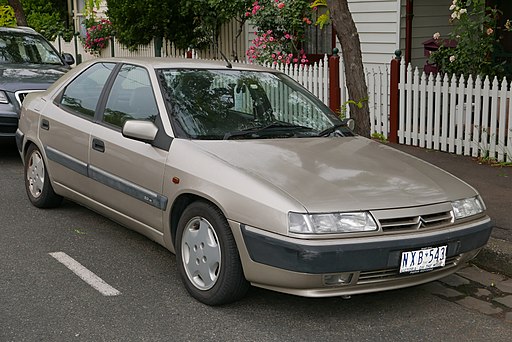
The Citroën Xantia represents one of the most distinctive chapters in the history of Citroën, particularly because it carried forward the brand’s legendary focus on comfort and advanced suspension technology. Introduced in 1993 as the successor to the Citroën BX, the Xantia was designed to compete in the mid-size family car segment while maintaining the unique engineering philosophy that had long defined Citroën vehicles.
Today, as a used car, the Xantia stands out as an increasingly rare and characterful option. While many vehicles from its era have faded into obscurity, the Xantia continues to attract enthusiasts and practical buyers alike, thanks to its hydropneumatic suspension system, comfortable ride quality, and relatively affordable purchase price. However, its complexity, age, and specific maintenance requirements mean that it is not a car for everyone.
In this comprehensive blog-style article, we will explore the Citroën Xantia in detail, covering its design, engineering, driving experience, reliability, maintenance, and overall value as a used car. This long-form guide aims to provide everything a prospective buyer needs to make an informed decision.
Design Philosophy and Exterior Styling
The Citroën Xantia was designed by the renowned Italian design house Bertone, which gave it a clean and understated aesthetic compared to some of Citroën’s more unconventional models. The design strikes a balance between elegance and practicality, with smooth lines, a slightly wedge-shaped profile, and a timeless appearance that has aged gracefully.
Unlike its predecessor, the BX, which featured angular styling and extensive use of composite materials, the Xantia adopts a more conventional steel body construction. This change improved perceived build quality and durability, aligning the car more closely with mainstream competitors while still retaining a distinct French identity.
The Xantia was available in both hatchback and estate (Break) variants. The estate version, in particular, is highly regarded for its practicality, offering a spacious cargo area and excellent load-carrying capabilities. The hatchback version, on the other hand, provides a sleek and balanced profile, appealing to drivers who prefer a more traditional family car layout.
Attention to detail in the design is evident in features such as the flush door handles, aerodynamic body shape, and integrated bumpers. While it may not be visually striking by modern standards, the Xantia’s design emphasizes functionality, efficiency, and long-term usability.
Interior Comfort and Ergonomics
Stepping inside the Citroën Xantia reveals an interior that prioritizes comfort above all else. The cabin is spacious and well-organized, offering ample room for both front and rear passengers. The seats are generously cushioned and designed to provide excellent support during long journeys, reflecting Citroën’s commitment to ride comfort.
The dashboard layout is relatively conventional, especially compared to earlier Citroën models known for their unconventional controls. Instruments are clearly displayed, and controls are logically arranged, making the car easy to operate even for drivers unfamiliar with the brand. Materials used in the interior vary depending on trim level but generally include a mix of soft-touch plastics and durable fabrics.
Higher-spec models offer features such as air conditioning, electric windows, cruise control, and premium audio systems, which were considered advanced for the time. The estate version adds further practicality with a larger cargo area and flexible seating arrangements.
Despite its strengths, the interior is not without its drawbacks. Age-related wear is common, including faded plastics, worn upholstery, and malfunctioning switches. However, when well-maintained, the Xantia’s interior remains a comfortable and pleasant place to spend time.
Hydropneumatic Suspension: The Defining Feature
One of the most significant aspects of the Citroën Xantia is its hydropneumatic suspension system, a hallmark of the brand’s engineering philosophy. This system uses hydraulic fluid, gas-filled spheres, and a network of valves to provide a smooth and adaptable ride.
The suspension automatically adjusts the ride height based on load and driving conditions, ensuring consistent comfort and stability. It also allows the driver to manually adjust the ride height for different situations, such as navigating rough terrain or changing a tire.
In higher-end models, Citroën introduced the Hydractive II system, which further enhances ride quality by electronically controlling suspension stiffness. The Activa variant takes this even further with an active anti-roll system that virtually eliminates body roll during cornering, making it one of the most technologically advanced cars of its time.
While the hydropneumatic suspension offers unmatched comfort, it also requires specialized maintenance. Components such as spheres, hydraulic pumps, and fluid lines must be kept in good condition to ensure proper operation. Neglecting maintenance can lead to costly repairs, which is why prospective buyers should carefully inspect the system when purchasing a used Xantia.
Engine Range and Performance
The Citroën Xantia was available with a wide range of petrol and diesel engines, catering to diverse customer needs. Petrol engines ranged from modest 1.6-liter units to powerful 3.0-liter V6 engines, while diesel options included reliable 1.9 and 2.1-liter turbocharged units.
The smaller petrol engines provide adequate performance for everyday driving, though they may feel underpowered in a car of this size. The larger petrol engines, particularly the 2.0-liter and V6 variants, offer significantly improved performance and refinement, making them suitable for long-distance travel and highway driving.
Diesel engines are particularly popular in the used market due to their fuel efficiency and durability. The 1.9 TD and 2.0 HDi engines are known for their reliability and low fuel consumption, often achieving figures of around 5–6 liters per 100 kilometers. These engines also provide strong torque, making them well-suited for carrying passengers and cargo.
Transmission options include manual and automatic gearboxes. The manual transmissions are generally reliable and straightforward, while automatic versions may require more careful maintenance due to their complexity.
Driving Experience and Ride Quality
Driving the Citroën Xantia is a unique experience that sets it apart from most other cars in its class. The hydropneumatic suspension delivers an exceptionally smooth ride, absorbing bumps and road imperfections with ease. This makes the Xantia particularly well-suited for long journeys and rough road conditions.
The steering is light and responsive, providing good maneuverability in urban environments. On highways, the car remains stable and composed, offering a relaxed and comfortable driving experience.
Handling is generally predictable, though not particularly sporty in standard models. The Activa variant, however, offers remarkable cornering capabilities thanks to its advanced suspension system, which minimizes body roll and enhances stability.
Noise levels are relatively low for a car of its age, with good insulation from road and wind noise. Overall, the Xantia excels in providing a comfortable and stress-free driving experience.
Reliability and Common Issues
Reliability is a key consideration when evaluating the Citroën Xantia as a used car. While the vehicle is generally well-engineered, its complexity means that proper maintenance is essential.
The hydropneumatic suspension system is both a strength and a potential weakness. Regular maintenance, including the replacement of suspension spheres and hydraulic fluid, is crucial. Neglecting these components can lead to performance issues and costly repairs.
Engine reliability varies depending on the type and condition. Diesel engines are typically more robust, while petrol engines may require more frequent maintenance. Common issues include oil leaks, worn timing belts, and aging cooling systems.
Electrical problems are not uncommon, particularly in older vehicles. These can include faulty sensors, malfunctioning central locking systems, and issues with dashboard electronics.
Rust is another concern, especially in areas such as the undercarriage, wheel arches, and door sills. A thorough inspection is essential to identify and address any corrosion issues.
Maintenance and Running Costs
The Citroën Xantia offers relatively low purchase prices in the used market, but maintenance costs can vary depending on the condition and complexity of the vehicle. Fuel efficiency is generally good, particularly for diesel models, making it economical for long-distance driving.
Routine maintenance tasks such as oil changes, brake servicing, and filter replacements are affordable and straightforward. However, specialized components such as the hydropneumatic suspension system may require expert knowledge and higher costs.
Spare parts are still available, though some components may be harder to find due to the car’s age. Owners often rely on specialist suppliers and enthusiast communities for parts and technical support.
Practicality and Everyday Use
The Citroën Xantia is a practical and versatile vehicle, particularly in its estate form. The spacious interior and large cargo area make it suitable for families, road trips, and transporting goods. The hatchback version also offers good practicality, with a flexible seating arrangement and ample storage space.
The car’s comfortable ride and stable handling make it ideal for daily commuting and long-distance travel. Its relatively compact dimensions for a mid-size car also make it manageable in urban environments.
Overall, the Xantia provides a good balance between comfort, practicality, and usability, making it a viable option for a wide range of drivers.
Market Value and Buying Advice
The Citroën Xantia is one of the more affordable options in the used car market, with prices varying based on condition, mileage, and specification. Well-maintained examples, particularly those with documented service history, are highly desirable.
When purchasing a used Xantia, it is essential to inspect the suspension system, engine condition, and bodywork for signs of wear or neglect. A thorough test drive can help identify potential issues and ensure that the car performs as expected.
Diesel models are often recommended for their efficiency and reliability, while petrol variants may appeal to those seeking smoother performance. Ultimately, careful selection is key to finding a reliable and enjoyable example.
Advantages and Disadvantages
The Citroën Xantia offers numerous advantages, including exceptional ride comfort, practical design, and affordability. Its unique suspension system and comfortable interior set it apart from competitors.
However, it also has disadvantages, such as complex maintenance requirements, potential reliability issues, and limited availability of certain parts. These factors should be carefully considered by prospective buyers.
Conclusion
The Citroën Xantia remains a distinctive and appealing choice in the used car market. Its combination of comfort, practicality, and unique engineering makes it a standout option for those willing to invest in proper maintenance.
For buyers seeking a comfortable and characterful vehicle, the Xantia offers a compelling alternative to more conventional options. With careful selection and ongoing care, it can provide many years of enjoyable and reliable service.
Technical Specifications Table
| Parameter | Value |
|---|---|
| Model | Citroën Xantia |
| Production Years | 1993 – 2002 |
| Body Type | Hatchback / Estate |
| Length | ~4,440 mm |
| Width | ~1,750 mm |
| Height | ~1,400 mm |
| Wheelbase | ~2,740 mm |
| Engine (Petrol) | 1.6L–3.0L, 90–194 hp |
| Engine (Diesel) | 1.9L–2.1L, 70–110 hp |
| Transmission | 5-speed manual / automatic |
| Drive Type | Front-wheel drive |
| Fuel Consumption (Petrol) | ~7–10 L/100 km |
| Fuel Consumption (Diesel) | ~5–6 L/100 km |
| Boot Capacity | ~480 L (estate up to ~1,700 L) |
| Seating Capacity | 5 persons |
| Fuel Tank Capacity | ~65 liters |
| Suspension Type | Hydropneumatic |
| Emissions Standard | Euro 2 / Euro 3 |
_01.jpg)