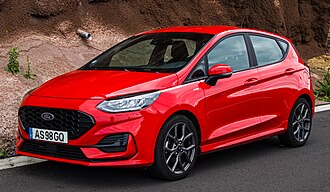
Ford Fiesta as a Used Car – The Complete Buyer’s Guide
The Ford Fiesta is one of the most successful superminis ever built and has earned a reputation as one of the best-driving small cars on the market. Since its introduction in 1976, millions of examples have been sold around the world, making it one of Ford’s most important passenger vehicles. Throughout several generations, the Fiesta has consistently offered an appealing combination of compact dimensions, affordable running costs, enjoyable handling, practical interiors, and reliable engineering. Even though Ford has ended production of the Fiesta, the model remains one of the strongest choices on the used-car market because replacement parts are widely available, independent mechanics know the vehicle well, and buyers can choose from an enormous range of engines, trim levels, and equipment packages.
Buying a used Ford Fiesta is attractive for many different groups of drivers. First-time buyers appreciate its affordable purchase price, low insurance costs, and easy maneuverability. Families often use it as a second vehicle thanks to its practical five-door body style and economical engines. Commuters value its excellent fuel economy and comfortable ride, while enthusiasts can even choose performance-oriented ST models that deliver genuine hot hatch excitement. Few vehicles offer such a broad range of versions while maintaining consistently good driving characteristics.
However, like every used vehicle, the Ford Fiesta deserves careful inspection before purchase. Different generations have different strengths and weaknesses, some engines are significantly better than others, and maintenance history often matters more than mileage alone. A well-maintained Fiesta can easily provide many years of dependable service, while a neglected example may require expensive repairs despite its relatively low purchase price. This comprehensive guide explains everything prospective buyers should know before purchasing a used Ford Fiesta.
The History of the Ford Fiesta
Ford introduced the Fiesta during the 1970s to compete in the rapidly growing European small-car segment. Rising fuel prices and increasing urbanization created strong demand for compact vehicles that were inexpensive to buy and economical to operate. The Fiesta answered these needs with front-wheel drive, lightweight construction, practical hatchback styling, and efficient petrol engines.
Over the following decades, every new generation introduced improvements in safety, refinement, fuel efficiency, technology, and driving comfort while maintaining the qualities that made the original model successful. The Fiesta became famous for its engaging handling, often outperforming competitors despite modest engine outputs. Ford engineers consistently prioritized steering precision and suspension tuning, allowing the Fiesta to become one of the most enjoyable cars to drive in its class.
Throughout its production life, the Fiesta was sold in countless versions, including economical city cars, luxurious Titanium models, sporty ST-Line trims, rugged Active crossovers, practical five-door hatchbacks, and the highly respected Fiesta ST performance models. This variety means buyers can easily find a used Fiesta that matches their individual requirements and budget.
Why Buy a Used Ford Fiesta?
Excellent Value for Money
One of the greatest advantages of the Fiesta is the excellent value it offers on the used-car market. Because Ford produced millions of examples, buyers have an enormous selection available. High supply keeps prices competitive while also ensuring spare parts remain inexpensive and widely available. Compared with many rivals, a used Fiesta often delivers better driving dynamics without demanding a premium purchase price.
Depreciation has already affected most used examples significantly, allowing buyers to purchase relatively modern vehicles equipped with advanced safety systems, touchscreen infotainment, climate control, parking sensors, and efficient turbocharged engines for considerably less than their original retail prices.
Outstanding Driving Dynamics
Perhaps no other feature defines the Ford Fiesta better than its handling. Generation after generation, automotive journalists praised its steering precision, predictable cornering, balanced suspension, and enjoyable driving experience. Even base models feel responsive and confident, while ST-Line versions add slightly sportier suspension tuning without sacrificing everyday comfort.
This reputation continues to make the Fiesta attractive as a used vehicle. Drivers who enjoy winding country roads or simply appreciate a car that feels engaging rather than purely functional often discover that the Fiesta remains one of the best choices in the supermini segment.
Affordable Ownership Costs
Running costs remain another major advantage. Most petrol engines offer impressive fuel economy, insurance classifications are generally reasonable, servicing is affordable, and independent garages are familiar with virtually every Fiesta generation. Because replacement components are readily available, repair costs often remain lower than many competitors.
Choosing the Right Ford Fiesta Generation
Sixth Generation (2008–2017)
The sixth-generation Fiesta transformed the model into one of Europe’s most desirable small cars. Featuring modern styling, improved crash safety, better refinement, and a significantly higher-quality interior, it appealed to both young drivers and families. Later facelifted models introduced Ford’s popular EcoBoost turbocharged petrol engines alongside updated infotainment systems and improved equipment levels.
Buyers considering this generation should pay close attention to service history, particularly for turbocharged engines. Timing belt maintenance, correct oil changes, and evidence of regular servicing are extremely important for long-term reliability.
Seventh Generation (2017–2023)
The final Fiesta generation represented the model at its very best. Interior quality improved dramatically, noise insulation increased, driver assistance technologies became widely available, and suspension tuning remained class-leading. It also introduced attractive trim levels including Titanium, ST-Line, Active, Vignale, and the outstanding Fiesta ST.
These models command higher used prices but often justify the premium thanks to their refinement, safety features, efficient engines, and overall ownership experience.
Engine Choices
1.0 EcoBoost Petrol
Ford’s award-winning 1.0-liter EcoBoost engine became one of the Fiesta’s defining powerplants. Despite its small displacement and three-cylinder configuration, turbocharging allows it to deliver lively acceleration while maintaining excellent fuel economy. Available in multiple power outputs, it suits both urban driving and longer motorway journeys.
Buyers should ensure maintenance has been performed according to Ford’s recommendations. Regular oil changes using the correct specification are particularly important, as neglect can shorten engine life. A complete service history significantly increases confidence when purchasing a used EcoBoost-powered Fiesta.
Naturally Aspirated Petrol Engines
Earlier generations also offered naturally aspirated petrol engines that prioritize simplicity over outright performance. These engines often prove durable and inexpensive to maintain, making them attractive for buyers seeking maximum reliability and minimal servicing complexity.
Diesel Engines
Diesel variants became popular among drivers covering high annual mileage because they combine excellent fuel economy with impressive torque. However, modern diesel technology introduces additional emissions equipment that benefits from regular long-distance driving. Buyers who mainly drive within cities may find petrol models more suitable.
Reliability and Common Problems
Overall, the Ford Fiesta enjoys a positive reputation for reliability. Nevertheless, certain issues deserve attention during inspection. Fortunately, most are well documented, allowing informed buyers to avoid expensive surprises by choosing examples with comprehensive maintenance records.
Timing Belt Maintenance
Certain EcoBoost engines require careful attention to timing belt replacement schedules. Ignoring recommended maintenance intervals can lead to severe engine damage. Buyers should request documented proof that scheduled servicing has been completed by qualified technicians using appropriate parts and lubricants.
Suspension Components
Because the Fiesta handles so well, enthusiastic driving can accelerate wear on suspension bushes, shock absorbers, and steering components. During a test drive, buyers should listen for knocking noises, evaluate steering precision, and inspect tires for uneven wear patterns.
Clutch and Transmission
Manual gearboxes are generally reliable, but clutch wear depends heavily on previous driving style. Automatic transmissions should operate smoothly without hesitation or harsh gear changes. Any unusual vibration or difficulty selecting gears deserves professional evaluation before purchase.
Electrical Equipment
Modern Fiestas include sophisticated infotainment systems, parking sensors, cameras, Bluetooth connectivity, and numerous electronic convenience features. Buyers should test every function carefully because electrical repairs can occasionally become expensive, particularly after warranty expiration.
Interior Quality and Practicality
The Fiesta’s interior has improved dramatically across successive generations. Later models offer soft-touch materials, ergonomic controls, comfortable seating, and impressive build quality considering the vehicle’s price category. The driving position suits a wide range of body types, while visibility remains generally excellent.
Five-door versions provide reasonable rear passenger access and practical everyday usability. Although rear-seat legroom cannot match larger family hatchbacks, it remains sufficient for occasional adult passengers and everyday family use. The luggage compartment is competitive for the segment and easily accommodates shopping, luggage, or sports equipment.
Safety Features
Modern Fiesta generations include numerous safety technologies that significantly improve occupant protection. Depending on specification, buyers may find autonomous emergency braking, lane-keeping assistance, traffic sign recognition, adaptive cruise control, blind-spot monitoring, parking assistance, multiple airbags, electronic stability control, and advanced braking systems.
These features make newer used examples especially attractive because they provide levels of active safety once reserved for much more expensive vehicles.
Running Costs
One of the strongest reasons to purchase a used Fiesta is its affordable ownership experience. Fuel economy remains excellent across most engine ranges, servicing costs stay reasonable, and replacement parts are widely available. Insurance classifications are typically lower than larger family cars, helping reduce annual ownership expenses.
Tire replacement costs are also relatively modest because the Fiesta generally uses smaller wheel sizes than larger vehicles. Routine servicing such as brake replacement, oil changes, filters, and suspension maintenance can usually be completed without excessive expense.
What to Check Before Buying
Before purchasing a used Ford Fiesta, inspect the service history thoroughly. Evidence of regular oil changes, timing belt maintenance where applicable, brake servicing, and manufacturer-recommended inspections greatly increases confidence. Avoid vehicles with incomplete documentation unless they undergo a detailed professional mechanical inspection.
Carefully examine the bodywork for accident repairs, corrosion, inconsistent paintwork, or poorly fitted replacement panels. During the test drive, verify smooth engine operation, responsive steering, effective braking, comfortable suspension, and proper operation of every electronic feature including infotainment, climate control, windows, mirrors, and parking systems.
Ford Fiesta Compared with Competitors
The Fiesta competes against highly respected rivals including the Volkswagen Polo, Toyota Yaris, Peugeot 208, Renault Clio, Opel Corsa, Hyundai i20, Kia Rio, Honda Jazz, SEAT Ibiza, and Škoda Fabia. Each competitor offers particular strengths, but the Fiesta consistently distinguishes itself through superior driving enjoyment, balanced chassis tuning, and strong value for money.
Buyers seeking maximum reliability may lean toward Japanese competitors, while those prioritizing premium interior quality might prefer German alternatives. Nevertheless, the Fiesta successfully combines enjoyable driving, affordable ownership, practical dimensions, and broad parts availability in a way that few competitors consistently achieve.
Who Should Buy a Used Ford Fiesta?
First-Time Drivers
The Fiesta remains one of the best beginner cars thanks to its predictable handling, compact dimensions, affordable insurance, and forgiving driving characteristics. It inspires confidence without feeling intimidating, making it an excellent learning platform.
Daily Commuters
Drivers covering moderate daily distances appreciate the Fiesta’s efficient engines, comfortable ride, and low operating costs. It performs equally well in congested cities and on motorway journeys, offering versatility that many city cars cannot match.
Driving Enthusiasts
Buyers seeking greater excitement should consider the Fiesta ST. Widely regarded as one of the finest hot hatches ever produced, it combines impressive performance with everyday practicality while maintaining the affordability expected from the Fiesta name.
Technical Specifications Summary
| Specification | Ford Fiesta (Typical Used Models) |
|---|---|
| Vehicle Type | Supermini / Compact Hatchback |
| Production Years | 1976–2023 |
| Body Styles | 3-door hatchback, 5-door hatchback |
| Drive Layout | Front-wheel drive |
| Engine Options | Naturally aspirated petrol, EcoBoost turbo petrol, diesel, performance petrol (ST) |
| Power Output | Approximately 60–200 hp depending on model |
| Transmission | 5-speed manual, 6-speed manual, automatic, dual-clutch (selected versions) |
| Seating Capacity | 5 passengers |
| Fuel Type | Petrol or diesel |
| Fuel Economy | Approximately 4.0–7.5 L/100 km depending on engine and driving conditions |
| Luggage Capacity | Approximately 290–311 liters depending on generation |
| Main Advantages | Excellent handling, affordable maintenance, efficient engines, strong parts availability, enjoyable driving experience |
| Main Weaknesses | Limited rear passenger space, timing belt maintenance on certain EcoBoost engines, modest luggage capacity compared with larger hatchbacks |
Final Verdict: Is the Ford Fiesta a Good Used Car?
The Ford Fiesta has earned its reputation as one of the finest small cars ever produced because it successfully balances affordability, practicality, efficiency, comfort, and genuine driving enjoyment. Few competitors manage to combine these qualities so consistently across multiple generations. Whether purchased as a first car, a daily commuter, a family second vehicle, or even as a sporty ST model, the Fiesta offers impressive versatility that continues to make it highly desirable on the used-car market.
The key to a successful purchase is choosing an example with documented maintenance, careful previous ownership, and a thorough pre-purchase inspection. Paying slightly more for a well-maintained Fiesta often proves far less expensive than buying a neglected example requiring immediate repairs. Buyers should pay particular attention to engine servicing, suspension condition, electronic systems, and evidence of routine maintenance rather than focusing exclusively on mileage.
For anyone seeking an economical, dependable, enjoyable, and practical used hatchback, the Ford Fiesta remains one of the strongest recommendations in its class. Even though production has ended, its widespread popularity ensures continued parts availability, extensive service knowledge, and a thriving used market. A carefully selected Ford Fiesta can continue providing reliable transportation and satisfying ownership for many years, making it one of the smartest choices among affordable used cars.
_%E2%80%93_f_30012023.jpg)