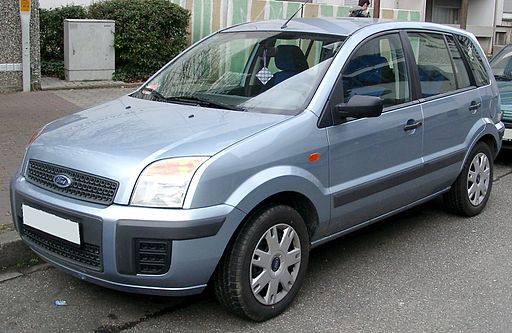
Ford Fusion (Europe) as a Used Car: A Practical Guide for Buyers
The Ford Fusion sold in Europe is a unique vehicle that has developed a loyal following among used-car buyers looking for practicality, reliability, and affordability. Unlike the American Ford Fusion sedan that appeared later in the United States, the European Ford Fusion was a compact multi-purpose vehicle based on the Ford Fiesta platform. Produced from 2002 until 2012, it combined the small exterior dimensions of a city car with the interior space and driving position of a compact MPV. This unusual formula made it particularly attractive to drivers who wanted an easy-to-handle vehicle without sacrificing practicality.
Today, the European Ford Fusion occupies an interesting position in the used-car market. It is no longer a fashionable model, and many examples are now inexpensive compared with newer crossovers and small SUVs. However, its combination of a raised seating position, excellent visibility, simple mechanical design, and generous cabin space means that it continues to make sense for many buyers. Elderly drivers, small families, commuters, and people who need a reliable everyday vehicle often appreciate the Fusion because it focuses on usability rather than image.
Buying a used Ford Fusion requires understanding what the car was designed to do. It was never intended to be a sporty hatchback or a luxury vehicle. Instead, Ford created it as a practical alternative to traditional small cars. It offered easier access, more upright seating, a larger boot, and a flexible interior while keeping running costs close to those of a compact hatchback. For buyers searching for a simple and economical used vehicle, these qualities remain highly relevant even years after production ended.
The History of the European Ford Fusion
The European Ford Fusion was introduced in 2002 as part of Ford’s strategy to expand its small-car range. Based heavily on the mechanical platform of the Ford Fiesta, the Fusion used many proven components while creating a completely different body concept. The idea was simple: combine the low operating costs of a small hatchback with the practicality of a small MPV.
At the beginning of the 2000s, manufacturers were experimenting with vehicles that filled the space between conventional hatchbacks and larger family cars. Buyers increasingly wanted vehicles that were easy to drive in cities but capable of carrying passengers and luggage comfortably. The Fusion answered this demand with a tall body, large doors, high seating position, and a practical interior layout.
The Fusion received a facelift in 2005, bringing updated styling, improved interior materials, and technical improvements. The later models are generally considered the better choice on the used market because they benefited from years of development and refinement. The facelift introduced a more modern appearance and improved equipment levels while maintaining the simple mechanical character that made the model popular.
Why Buy a Used Ford Fusion?
Practical Design in a Small Package
One of the greatest strengths of the Ford Fusion is its clever use of space. Although the vehicle is relatively short and narrow, the upright design creates a surprisingly roomy interior. The higher roofline allows passengers to sit comfortably, and the cabin feels much larger than the exterior dimensions suggest. This makes the Fusion especially useful in urban environments where parking space is limited but interior practicality is still important.
The driving position is one of the biggest advantages compared with conventional small hatchbacks. The seats are positioned higher, making entry and exit easier. Many owners appreciate this feature because it reduces the need to bend down when getting into the vehicle. The raised seating also improves visibility, allowing drivers to see traffic conditions more clearly.
The rear seats provide reasonable passenger space for a vehicle of this size. While the Fusion is not designed to compete with large MPVs, it can comfortably transport four adults and is perfectly suitable for families with children. The flat floor and practical door design make installing child seats easier than in many smaller hatchbacks.
Excellent Visibility and Easy Driving
The Ford Fusion is extremely easy to drive. Its compact dimensions, upright shape, and large windows provide excellent visibility in every direction. This makes it particularly suitable for drivers who prefer confidence and simplicity rather than sporty handling characteristics.
Parking is one of the Fusion’s strongest areas. The driver has a clear view of the vehicle’s corners, and the relatively small turning circle makes manoeuvring in tight spaces straightforward. Even versions without parking sensors are usually easy to place accurately, which is a major advantage for city driving.
The suspension setup prioritises comfort rather than performance. The Fusion absorbs bumps well and feels stable during normal driving. It is not designed for enthusiastic cornering, but it provides a predictable and relaxing driving experience that suits daily commuting and practical transportation.
Engine Options and Performance
Petrol Engines
The European Ford Fusion was offered with several petrol engines, mainly focusing on simplicity and low ownership costs. These engines are generally reliable when properly maintained and can be a good choice for buyers who drive shorter distances or mainly use the vehicle in urban areas.
The smaller petrol engines provide adequate performance for everyday use, although they may feel less powerful when the vehicle is fully loaded. Because the Fusion is taller and heavier than the Fiesta on which it is based, acceleration is more relaxed. Drivers should choose engine size based on their typical usage rather than expecting sporty performance.
Diesel Engines
Diesel versions are particularly popular on the used market because they combine good fuel economy with strong low-speed torque. The 1.4 TDCi and 1.6 TDCi engines are among the most common choices. These engines are especially suitable for drivers who cover longer distances or regularly travel outside urban areas.
A well-maintained diesel Fusion can achieve impressive fuel consumption figures, making it an economical choice for budget-conscious owners. However, buyers should consider how the previous owner used the car. Diesel engines generally perform best when regularly driven on longer journeys, while vehicles used only for short trips may experience problems related to emissions equipment and general engine wear.
Interior Comfort and Everyday Use
The interior of the Ford Fusion reflects its practical purpose. It does not offer premium materials or luxury features, but it is functional, durable, and easy to use. Controls are logically arranged, visibility is excellent, and the cabin layout prioritises convenience.
The dashboard design is straightforward, which many used-car buyers appreciate. Unlike newer vehicles filled with complicated touchscreen systems, the Fusion relies on simple controls that are easy to understand. This simplicity can also reduce potential repair costs as the vehicle ages.
Storage space is another positive aspect. The cabin includes useful compartments for everyday items, while the boot provides significantly more usable space than many small hatchbacks. The rear seats can be folded to create a larger loading area, allowing the Fusion to transport shopping, luggage, bicycles, and other bulky items.
Reliability and Common Problems
General Mechanical Reliability
The Ford Fusion benefits from using proven Fiesta-based mechanical components. This means many repairs are relatively straightforward, and spare parts are widely available. For a used buyer, this is a significant advantage because maintenance costs remain affordable compared with more complex vehicles.
Many examples have covered high mileage while continuing to provide dependable service. However, condition varies greatly because some Fusions were used as practical family cars and may have experienced heavy use. A detailed inspection is always recommended before purchase.
Suspension Wear
Because the Fusion has a taller body and is often used on urban roads, suspension components may require attention as the vehicle ages. Common wear items include bushes, shock absorbers, and springs. During a test drive, buyers should listen for unusual noises over bumps and check that the vehicle remains stable.
Diesel Maintenance Considerations
Diesel versions should be inspected carefully, especially if they have high mileage. Components such as turbochargers, injectors, and exhaust-related systems can become expensive if neglected. A complete service history is one of the most important factors when choosing a diesel Fusion.
Ford Fusion Facelift Models: Are They Better Used Choices?
When searching for a used Ford Fusion, many buyers naturally wonder whether they should choose an early model or a facelift version produced after 2005. In most cases, the facelift models are the preferred option because Ford used this update to improve several areas of the vehicle without changing its practical character. The exterior received a more modern appearance, with redesigned front and rear styling, improved lighting elements, and subtle changes that helped the Fusion look less like a simple utility vehicle and more like a modern family car.
Inside, facelift versions benefited from improved materials and a more refined dashboard design. Although the Fusion was never intended to compete with premium vehicles, later examples generally feel better assembled and more comfortable. Noise insulation was improved, and higher trim levels offered additional equipment that makes daily ownership more pleasant. Buyers looking at used examples should not automatically reject older cars, but the later models usually provide the best balance between purchase price, reliability, and comfort.
The facelift also brought improvements to safety equipment and available technology. Depending on the specification, later Fusions could be equipped with features such as automatic climate control, alloy wheels, improved audio systems, parking sensors, and additional airbags. These features can make a significant difference when comparing several used examples at similar prices.
Running Costs of a Used Ford Fusion
One of the strongest arguments for buying a used Ford Fusion is affordability. The vehicle was designed around economical ownership, and many of its advantages become even more important as it ages. Compared with larger MPVs and SUVs, the Fusion generally costs less to maintain, uses smaller and cheaper tyres, requires less fuel, and benefits from widely available replacement parts.
Insurance costs are usually reasonable because the Fusion belongs to a relatively low-risk vehicle category. This makes it attractive for younger drivers, retirees, and anyone who wants dependable transport without expensive ownership costs. Exact insurance prices depend on location, driver history, and engine choice, but the Fusion generally remains cheaper to insure than many larger family vehicles.
Fuel economy depends heavily on the engine. Petrol models are simple and reliable but usually consume more fuel than diesel versions, particularly during longer journeys. Diesel models can achieve excellent economy when used correctly, making them attractive for drivers who regularly travel greater distances. However, buyers should remember that a cheap diesel vehicle can become expensive if major components require replacement, so maintenance history is essential.
Routine servicing is usually affordable because many mechanical components are shared with other Ford models from the same era. Independent garages are familiar with the Fusion, and spare parts availability remains good. Regular oil changes, correct timing belt replacement intervals, and attention to suspension components can help these vehicles continue running reliably for many years.
Ford Fusion Safety Features
Safety was an important part of the Fusion’s design philosophy. The higher seating position provides excellent visibility, helping drivers anticipate hazards earlier. The upright body shape also creates a practical driving environment where controlling the vehicle feels natural and predictable.
Depending on production year and equipment level, the Fusion was available with features including anti-lock brakes, electronic stability control, multiple airbags, and reinforced passenger protection systems. Later facelift models generally provide better safety equipment than early examples, so buyers who prioritise safety should consider choosing a newer vehicle.
The Fusion’s compact size should not be confused with poor practicality or inadequate protection. Although smaller than many modern family cars, it was engineered to provide a secure passenger compartment while maintaining good manoeuvrability. For everyday driving, especially in urban environments, its visibility and predictable handling are significant safety advantages.
What to Check Before Buying a Used Ford Fusion
Service History
The most important factor when buying a used Ford Fusion is not the mileage but the quality of maintenance. A vehicle with complete service records provides much greater confidence than an apparently low-mileage example with an unknown history. Buyers should check whether regular oil changes were completed and whether major maintenance items were replaced at the correct intervals.
Timing belt replacement is especially important on engines equipped with belts rather than chains. Missing this service can lead to severe engine damage. Documentation showing when the belt and related components were replaced is valuable evidence that the vehicle has been cared for properly.
Body Condition
The Fusion’s body is generally durable, but age-related issues should still be checked. Inspect the vehicle carefully for rust, especially around door edges, wheel arches, and underneath the car. Previous accident repairs should also be investigated because poorly repaired damage can cause long-term problems.
The practical nature of the Fusion means many examples were used heavily. Scratches, dents, and interior wear are not unusual, but excessive damage may indicate neglect. A clean, well-maintained example is usually worth paying more for because condition has a major influence on future reliability.
Interior Equipment
Before purchasing, test all interior features. Check that electric windows, central locking, heating controls, air conditioning, lights, and audio systems work correctly. Simple faults may be inexpensive to repair, but multiple electrical problems can suggest poor maintenance.
The seats should also be inspected carefully. The Fusion is often chosen by families and older drivers, so seat wear can reveal how heavily the vehicle has been used. Check that seat adjustment mechanisms work properly and that folding rear seats operate smoothly.
Test Drive Evaluation
A proper test drive is essential. The Fusion should feel stable, comfortable, and easy to control. Listen for unusual noises from the suspension, especially when driving over uneven roads. Steering should feel precise without excessive play, and braking should be smooth without vibration.
Engine performance should match expectations. Small petrol engines may feel modest, especially with several passengers onboard, but they should operate smoothly. Diesel engines should provide strong low-speed pulling power without excessive smoke, unusual noises, or warning lights.
Ford Fusion Compared With Alternative Used Cars
Ford Fusion vs Ford Fiesta
The Ford Fiesta is smaller, more enjoyable to drive, and usually cheaper to operate, but it cannot match the Fusion’s practicality. The Fusion offers more headroom, easier access, and a more versatile interior. Buyers who mainly drive alone or as a couple may prefer the Fiesta, while families and practical users often benefit from the Fusion.
Ford Fusion vs Ford Focus
The Ford Focus provides better driving dynamics and a more conventional car experience. It is more enjoyable on winding roads and offers a larger selection of engines. However, the Fusion provides easier entry, better visibility, and a more practical cabin layout. The choice depends on whether the buyer values driving enjoyment or everyday convenience.
Ford Fusion vs Small SUVs
Modern buyers often compare the Fusion with compact SUVs and crossovers. Vehicles such as small SUVs may offer fashionable styling and higher ground clearance, but many cannot provide the same simple practicality at the same price. A used Fusion is often significantly cheaper while still offering the raised seating position many SUV buyers want.
The main advantage of the Fusion is honesty. It does not pretend to be a rugged off-road vehicle or a premium lifestyle product. It is simply a practical, economical car designed to make daily transportation easier.
Who Should Buy a Used Ford Fusion?
The Ford Fusion is particularly suitable for drivers who value practicality above appearance. It is an excellent choice for people who need a compact vehicle with extra interior room, including small families, older drivers, commuters, and owners who regularly carry passengers or equipment.
It is also a sensible option for budget-conscious buyers. Because the Fusion is no longer considered fashionable, prices are often lower than comparable vehicles despite offering similar or better practicality. This makes it possible to buy a well-equipped example without spending a large amount of money.
However, buyers seeking sporty handling, modern technology, or premium interiors may find the Fusion less appealing. Its strengths are simplicity, comfort, and practicality rather than excitement or luxury.
Long-Term Ownership Experience
Many Ford Fusion owners appreciate the vehicle because it quietly performs its intended role. It starts every day, carries passengers comfortably, fits into parking spaces easily, and does not demand excessive running costs. These qualities may seem ordinary, but they are exactly what many used-car buyers need.
As vehicles become increasingly complex, the Fusion’s straightforward engineering becomes an advantage. There are fewer complicated systems compared with newer cars, and many repairs can be completed without specialist equipment. For owners who prefer reliability and predictable expenses, this simplicity is valuable.
A carefully maintained Ford Fusion can easily exceed the expectations of buyers who initially consider it only because of its low price. Many examples remain practical and dependable long after newer vehicles have become expensive to repair.
Technical Specifications Summary
| Specification | Ford Fusion (Europe) |
|---|---|
| Production years | 2002–2012 |
| Vehicle class | Compact MPV / Mini MPV |
| Platform | Ford Fiesta-based architecture |
| Body style | Five-door hatchback-style MPV |
| Seating capacity | Five passengers |
| Engine types | Petrol and diesel four-cylinder engines |
| Common petrol engines | 1.25, 1.4, 1.6 Duratec |
| Common diesel engines | 1.4 TDCi, 1.6 TDCi |
| Transmission options | Manual and automatic (depending on version) |
| Drive type | Front-wheel drive |
| Approximate length | 4.02 metres |
| Approximate width | 1.72 metres |
| Approximate height | 1.54 metres |
| Boot capacity | Approximately 337 litres, expandable with folded seats |
| Strengths | Practicality, visibility, reliability, low running costs |
| Weaknesses | Basic interior, modest performance, aging technology |
Final Verdict: Is the Ford Fusion (Europe) a Good Used Car?
The European Ford Fusion is an underrated used car that offers exactly what many buyers need: practicality, affordability, and dependable transportation. It may not have the popularity of modern SUVs or the driving appeal of smaller hatchbacks, but its combination of compact dimensions and useful interior space remains impressive.
The best examples are usually facelift models with complete service histories and sensible previous ownership. Petrol versions suit drivers who make shorter journeys, while diesel versions are excellent for those covering longer distances. Regardless of engine choice, maintenance condition is the most important factor.
For buyers searching for a reliable second-hand vehicle that is easy to drive, inexpensive to maintain, and surprisingly practical, the Ford Fusion deserves serious consideration. It represents a time when manufacturers focused on solving everyday transportation problems with clever design rather than simply following market trends.
