
Honda Civic car battery
The Honda Civic is a popular C-segment passenger car that has been in production since 1972. However, not all generations are known from global markets. Depending on the generation, this car was sold as a three- or five-door hatchback, but also as a sedan, liftback station wagon or coupe.
The eighth generation Honda Civic could be purchased with a total of six types of petrol engine with a capacity of 1.4-2.0 liters and power ranging from 61-148 kW, as well as one 2.2-liter diesel with an output of 103 kW.
The ninth generation has been sold since 2012 and can be bought with two petrol engines of 1.4 and 1.8 liters and 73 kW and 104 kW. There are also two diesel engines with a capacity of 1.6 and 2.2 liters and an output of 88 and 110 kW.
The tenth generation Honda Civic can be purchased with 1.0, 1.5, 1.6, 1.8 and 2.0 liter petrol engines depending on the specific market. Engine power is in the range of 93 – 235 kW (Type R). There is also a diesel four-cylinder with a capacity of 1.6 liters and an output of 88 kW.
Honda Civic battery
Honda Civic gasoline cars use 45 Ah batteries and diesel uses 60 Ah batteries.
_%E2%80%93_Frontansicht,_20._Juni_2012,_Wuppertal_(corrected).jpg)
Honda Civic photo gallery

Honda Civic Tourer

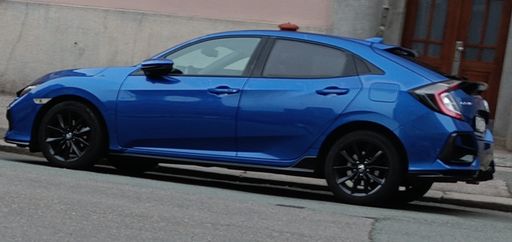
The tenth-generation Honda Civic was produced from 2015 to 2022. The car was intended for global markets, so assembly took place all over the world. The Civic was assembled in Japan (Yorii), United States (Greensburg), Canada (Alliston), United Kingdom (Swindon), Turkey (Gebze), China (Wuhan), Thailand (Prachinburi), Malaysia (Alor Gajah), India (Greater Noida), Brazil (Sumaré) and Pakistan (Lahore).
Honda Civic of the eleventh generation is produced from 2021. Cars are assembled in factories in Japan: Yorii, Saitama (liftback); Canada: Alliston, Ontario (HCM, sedan); United States: Greensburg, Indiana (HMIN, liftback); China: Wuhan (Dongfeng Honda); Guangzhou (GAC Honda, Integra) Pakistan: Lahore (Honda Atlas Cars, sedan)
; Thailand: Prachinburi (sedan) and Malaysia: Alor Gajah, Melaka (sedan).
Honda Civic Car Battery Replacement
Replacing the battery in your Honda Civic is an essential part of maintaining vehicle performance and ensuring reliable operation. The battery powers all electrical components, including the starter, lights, and onboard electronics, making it a critical component. Over time, batteries degrade due to temperature changes, frequent short trips, and natural wear, which diminishes their ability to hold a charge. Most car batteries last between three to five years, depending on usage and environmental conditions. Recognizing the signs of a failing battery early can prevent unexpected breakdowns, such as slow engine cranking or dimming headlights.
Before replacing the battery, it’s important to select the correct type for your Honda Civic. The Civic typically uses a 12-volt lead-acid battery, but specifications can vary depending on the model and year. Key factors to consider include the battery’s cold cranking amps (CCA), reserve capacity, and physical size. These specifications can usually be found in your owner’s manual or by consulting with a professional. Additionally, modern Civics are equipped with advanced electronics that may require reprogramming after a battery change, so it’s advisable to keep the car’s radio codes handy.
When it’s time to replace the battery, make sure to follow proper safety procedures. Begin by turning off the engine and removing the key from the ignition. It’s also a good idea to wear safety gloves and glasses, as batteries contain corrosive acid that can cause injury if mishandled. To remove the old battery, disconnect the negative (-) terminal first, followed by the positive (+) terminal, using the appropriate wrench. Once the old battery is out, clean any corrosion from the battery tray and terminals using a wire brush or baking soda solution before installing the new battery.
After securing the new battery in place, reconnect the terminals in reverse order, starting with the positive terminal. Double-check that the connections are tight to avoid any electrical issues. After the replacement, test the car by starting the engine to ensure the battery is functioning correctly. Some models may require a reset of the clock, radio, and other electronic systems. Properly disposing of the old battery is equally important, as car batteries contain hazardous materials. Most auto parts stores or recycling centers will accept old batteries for proper disposal.