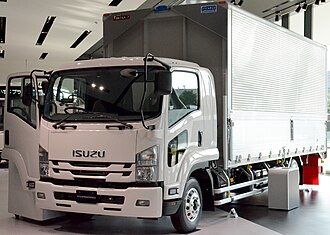
Isuzu Forward: The Dependable Medium-Duty Truck Built for Global Commercial Success
The Isuzu Forward is one of the most successful medium-duty commercial trucks ever developed by Isuzu Motors, a manufacturer with a long-standing reputation for producing reliable and efficient work vehicles. Positioned between compact delivery trucks and heavy-duty freight carriers, the Forward has become an essential tool for businesses that require greater capacity than light-duty trucks while still needing maneuverability, fuel efficiency, and reasonable operating costs. For decades, the Isuzu Forward has supported industries ranging from logistics and construction to municipal services, agriculture, emergency response, and specialized transportation. Its success comes from a carefully balanced design philosophy focused on durability, practicality, and adaptability.
Since its introduction in the 1970s, the Isuzu Forward has developed into a global commercial vehicle platform. While many trucks are designed with a specific market or application in mind, the Forward has achieved widespread popularity because of its ability to adapt to different environments. It has operated on crowded city streets, rural roads, highways, industrial sites, and demanding work locations around the world. The model’s reputation has been built on real-world performance rather than marketing claims, with countless businesses relying on it as a dependable partner in daily operations.
Modern versions of the Isuzu Forward continue this tradition while incorporating improvements in engine technology, driver comfort, safety systems, and environmental performance. Although the commercial vehicle industry has changed significantly, the fundamental requirements remain the same: businesses need trucks that can work efficiently, minimize downtime, and deliver predictable results. The Isuzu Forward continues to meet these expectations by combining proven engineering with modern innovations.
The History and Evolution of the Isuzu Forward
The history of the Isuzu Forward began in 1970 when Isuzu introduced the model as part of its expanding commercial truck lineup. During this period, industries around the world were experiencing rapid growth, creating demand for medium-sized trucks that could transport larger loads than compact delivery vehicles while remaining easier to operate than heavy-duty trucks. Isuzu identified this important market segment and developed the Forward as a practical solution for businesses needing flexibility and reliability.
The first-generation Forward established many characteristics that would define the model for decades. It featured a cab-over-engine design, allowing engineers to maximize cargo capacity while maintaining compact exterior dimensions. This configuration was particularly useful in urban environments where maneuverability was important. The truck also featured durable diesel engines and a strong chassis designed to withstand frequent commercial use.
Over the years, Isuzu continued refining the Forward through multiple generations. Improvements included more powerful and efficient engines, stronger frames, better braking systems, improved suspension designs, and more comfortable cabins. Each generation reflected changing customer needs and technological progress while preserving the core values that made the truck successful.
International demand for the Isuzu Forward grew significantly as businesses in different regions recognized its reliability and efficiency. The truck became popular in Asia, Africa, Australia, the Middle East, and other markets where commercial vehicles must operate under diverse conditions. Its ability to perform reliably in both developed and developing transportation environments contributed greatly to its global reputation.
Design Philosophy: The Balance Between Capability and Efficiency
The Isuzu Forward was developed around a simple but important idea: a medium-duty truck should provide professional capability without unnecessary complexity or excessive operating costs. Businesses using vehicles in this category often need to transport significant amounts of cargo but do not require the size, expense, or fuel consumption of a full heavy-duty truck.
This balance has always been central to the Forward’s identity. The truck offers enough strength for demanding applications while remaining compact enough for urban and regional operations. Its design allows companies to perform a wide variety of tasks with a single vehicle platform, reducing the need for specialized fleets.
The cab-over-engine layout is one of the most important design choices behind the Forward’s practicality. By placing the cabin above the engine, Isuzu engineers created a truck with excellent space efficiency. More of the vehicle length can be dedicated to cargo instead of a long engine compartment, increasing productivity for operators.
The Importance of Medium-Duty Trucks in Modern Transportation
Medium-duty trucks such as the Isuzu Forward occupy a critical position in the transportation industry. They perform many jobs that are too demanding for light-duty trucks but do not require the extreme capacity of heavy-duty vehicles. This makes them particularly valuable for regional distribution, construction support, and specialized commercial applications.
As cities become more crowded and businesses demand faster delivery networks, medium-duty trucks provide an effective solution. Their combination of payload capacity, maneuverability, and operating efficiency makes them ideal for modern supply chains.
Exterior Design and Functional Engineering
The exterior design of the Isuzu Forward reflects the practical requirements of commercial users. Unlike passenger vehicles where styling often plays a major role, truck design is primarily about function. Every component must contribute to durability, efficiency, safety, or ease of operation.
The cab design provides excellent visibility, which is essential for professional drivers operating in busy environments. Large windows, well-positioned mirrors, and an elevated seating position help drivers monitor traffic and surrounding obstacles. These characteristics are especially valuable during delivery operations where frequent maneuvering is required.
The Forward’s compact front-end design allows it to operate effectively in locations where larger trucks may struggle. Narrow streets, loading zones, warehouses, and construction sites often require vehicles that can combine strength with agility.
Another important feature is body flexibility. The Forward chassis can support many different configurations, including cargo boxes, flatbeds, dump bodies, tankers, refrigerated compartments, cranes, and emergency equipment. This adaptability has made the model useful across numerous industries.
Engine Technology and Performance
The engine technology of the Isuzu Forward has played a major role in establishing its reputation. Isuzu has long been recognized for producing reliable diesel engines, and the Forward benefits from this expertise. Commercial users require engines that can provide consistent performance under demanding conditions, and Isuzu designs its powertrains accordingly.
Diesel engines are particularly well suited for medium-duty trucks because they provide strong torque at low engine speeds. This allows the vehicle to move heavy loads efficiently, especially during acceleration, climbing, and stop-and-go operations. The Forward’s engines are designed to deliver practical working performance rather than unnecessary power.
Fuel efficiency is another important consideration. Transportation businesses operate under constant pressure to reduce costs, and fuel consumption represents a significant part of vehicle ownership expenses. Modern Forward models incorporate improved combustion systems, electronic engine controls, and optimized transmissions to reduce fuel usage while maintaining reliability.
Durability of Isuzu Diesel Engines
Isuzu diesel engines have earned a strong reputation for long service life. Many Forward trucks remain in operation for many years because their engines are engineered for commercial workloads. Strong internal components, effective cooling systems, and proven designs help the truck withstand intensive use.
This durability is particularly valuable for fleet operators because vehicle downtime directly affects profitability. A reliable truck allows businesses to maintain schedules, complete deliveries, and reduce unexpected repair expenses.
Driving Experience and Cabin Development
Commercial drivers spend long hours inside their vehicles, making cabin design an increasingly important aspect of truck development. The Isuzu Forward has evolved significantly in this area, moving from basic functional interiors toward more comfortable and driver-focused environments.
Modern Forward cabins provide improved ergonomics, better seating, and easier access to controls. The elevated driving position gives drivers excellent visibility, while the logical placement of switches and displays reduces distraction and improves usability.
Comfort improvements are not simply about convenience. A more comfortable driver can remain focused for longer periods, reducing fatigue and improving safety. Businesses benefit from better working conditions because driver satisfaction can influence productivity and retention.
Urban and Regional Driving Advantages
The Isuzu Forward performs particularly well in regional transportation roles. Many businesses require trucks that can travel between cities, serve local customers, and operate in urban environments. The Forward’s size provides a useful compromise between capacity and maneuverability.
Drivers benefit from predictable handling, strong visibility, and manageable dimensions. These characteristics make the truck easier to operate in warehouses, distribution centers, and city streets compared with larger commercial vehicles.
Commercial Applications of the Isuzu Forward
The versatility of the Isuzu Forward is one of its greatest strengths. Because the truck can support many body configurations, it has become a preferred choice for companies across different sectors.
Logistics and Freight Transportation
Logistics companies rely on medium-duty trucks for regional freight movement. The Forward provides the capacity needed for transporting goods while remaining efficient enough for frequent delivery routes. Its reliability helps businesses maintain consistent service schedules.
Construction and Industrial Operations
Construction companies often use Forward trucks for transporting materials, tools, and equipment. The strong chassis and adaptable body options allow the truck to perform demanding tasks in industrial environments.
Specialized versions can be equipped with equipment such as cranes, mixers, dump bodies, and service platforms. This flexibility allows companies to create vehicles tailored to their specific operational requirements.
Emergency and Public Service Applications
Government agencies and emergency organizations also use medium-duty trucks because they provide a stable platform for specialized equipment. The Forward has been adapted for fire services, rescue operations, municipal work, and utility applications in many regions.
Safety Technology and Modern Improvements
Safety has become a central focus in modern commercial vehicle development. Trucks operate in complex environments where they interact with pedestrians, passenger cars, and industrial equipment. Improving safety benefits not only drivers but everyone sharing the road.
Modern Isuzu Forward models may include advanced braking technologies, stability control systems, improved lighting, and driver assistance features depending on market and configuration. These systems help drivers manage difficult situations and reduce accident risks.
Structural safety is also important. The truck cabin must provide occupant protection while maintaining durability and reasonable weight. Engineers must balance strength, efficiency, and commercial practicality when developing these vehicles.
Maintenance, Reliability, and Ownership Costs
One of the biggest reasons businesses choose the Isuzu Forward is its reputation for reliability. Commercial vehicles are investments, and their value depends heavily on how consistently they can perform over time. A truck that requires frequent repairs can create significant financial challenges.
The Forward benefits from Isuzu’s long experience in commercial vehicle engineering. Durable components, proven diesel technology, and widespread service knowledge contribute to a strong ownership experience.
Maintenance requirements depend on model year, engine type, and operating conditions, but regular servicing is essential. Proper maintenance helps preserve fuel efficiency, prevent major failures, and extend the vehicle’s working life.
For fleet operators, predictable maintenance and strong resale value are important advantages. The Forward’s popularity in many markets supports easier access to parts and technical expertise, reducing the complexity of ownership.
The Global Legacy of the Isuzu Forward
The Isuzu Forward has become a symbol of dependable commercial transportation. Its success is based on decades of engineering refinement and real-world experience. Unlike vehicles designed around temporary trends, the Forward has remained successful because it continues to solve practical transportation problems.
Businesses around the world depend on trucks that can perform consistently, and the Forward has proven itself in countless applications. From city deliveries to industrial operations, it has demonstrated the ability to adapt and remain productive.
As the commercial vehicle industry moves toward cleaner technologies, greater connectivity, and improved automation, the principles behind the Isuzu Forward remain important. Reliability, efficiency, and practicality will continue to define successful working vehicles.
Technical Specifications Summary
Specifications vary depending on generation, market, engine selection, and body configuration. The following table summarizes typical characteristics of the Isuzu Forward medium-duty truck family.
| Specification | Isuzu Forward (Typical Configuration) |
|---|---|
| Vehicle Type | Medium-duty commercial truck |
| Production Start | 1970 |
| Main Applications | Regional freight, logistics, construction, municipal and specialized operations |
| Cab Design | Cab-over-engine configuration |
| Engine Type | Turbocharged diesel engines designed for commercial use |
| Fuel System | Electronic diesel injection systems depending on generation |
| Transmission | Manual and automated transmission options |
| Drive Configuration | Various rear-wheel-drive and multi-axle configurations |
| Body Options | Cargo box, flatbed, dump truck, tanker, refrigerated and specialized bodies |
| Chassis Design | Heavy-duty commercial ladder frame construction |
| Suspension | Heavy-duty suspension optimized for load carrying |
| Cab Features | Ergonomic controls, improved visibility, driver comfort systems |
| Key Advantages | Reliability, fuel efficiency, versatility, durability, low operating costs |
