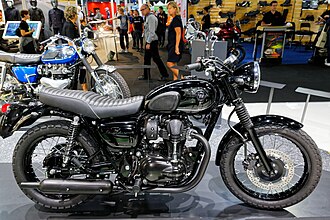
Kawasaki W800: The Modern Classic Motorcycle That Preserves the Spirit of Traditional Riding
The Kawasaki W800 represents one of the purest interpretations of the modern classic motorcycle philosophy. In an era where motorcycles are increasingly defined by advanced electronics, extreme performance figures, and aggressive styling, the W800 takes a different path. It focuses on the fundamental qualities that have made motorcycles fascinating for generations: elegant design, mechanical character, comfortable ergonomics, and the simple pleasure of riding. Rather than attempting to be the fastest or most technologically advanced motorcycle in its category, the Kawasaki W800 aims to deliver something more timeless — an emotional connection between rider and machine.
Built as the successor to the highly respected Kawasaki W650, the W800 continues the heritage of Kawasaki’s legendary W series, which traces its roots back to the original W1 introduced in the 1960s. The motorcycle combines classic British-inspired styling with Japanese engineering precision, creating a machine that looks like it belongs to a golden era of motorcycling while benefiting from modern manufacturing standards. The result is a motorcycle that appeals to riders who appreciate authenticity, craftsmanship, and the unique character that comes from a mechanically simple design.
The Kawasaki W800 is not designed for riders who are only interested in acceleration numbers, lap times, or technological features. Instead, it attracts those who enjoy the rhythm of riding itself. The sound of the parallel-twin engine, the smooth delivery of torque, the comfortable upright seating position, and the elegant appearance all contribute to an experience that feels personal and engaging. Every ride becomes an opportunity to appreciate the road, the surroundings, and the motorcycle’s personality.
While many manufacturers have introduced retro-inspired motorcycles in recent years, the Kawasaki W800 stands apart because its classic identity is genuine. It is not simply a modern motorcycle wearing vintage styling elements. The W800 was developed around the idea of preserving the feeling of traditional motorcycles while making them practical and dependable for modern riders. This approach has earned it a dedicated following among enthusiasts who value character over complexity.
The History and Heritage of the Kawasaki W800
The story of the Kawasaki W800 begins with Kawasaki’s long-standing connection to classic motorcycles. The company’s W series was originally created during the 1960s when Japanese manufacturers were beginning to establish themselves globally. The first Kawasaki W model, the W1, was heavily influenced by British motorcycles of the period, particularly machines known for their parallel-twin engines, elegant styling, and relaxed riding characteristics.
The original W1 became an important part of Kawasaki’s history because it demonstrated the company’s ability to produce large-displacement motorcycles with international appeal. Although later Kawasaki models became famous for performance and innovation, the W series represented a different philosophy. It focused on craftsmanship, tradition, and the emotional qualities that made motorcycles more than simple transportation machines.
Decades later, Kawasaki revived this heritage with the introduction of the W650 in 1999. The W650 successfully recreated the appearance and feeling of classic motorcycles while incorporating modern reliability and manufacturing quality. Although the W650 gained a passionate following, Kawasaki eventually developed the W800 as a further evolution of the concept, increasing engine displacement and updating the motorcycle to meet changing market expectations.
The Kawasaki W800 was introduced with the goal of preserving the essential character of the W series while improving performance, refinement, and usability. The motorcycle maintained the air-cooled parallel-twin engine layout, classic styling, and relaxed riding personality that made the W650 popular. However, it received improvements designed to make it suitable for modern riders, including updated fuel systems, improved emissions compliance, enhanced braking options, and refined chassis components.
Over the years, Kawasaki expanded the W800 family with different versions, including standard and café-inspired models. While these variations introduced different styling approaches, the core philosophy remained unchanged: create a motorcycle that celebrates the beauty of traditional design and the enjoyment of uncomplicated riding.
The W800 occupies a unique position in Kawasaki’s lineup because it represents heritage rather than technological advancement. While motorcycles such as the Ninja family demonstrate Kawasaki’s pursuit of speed and innovation, the W800 demonstrates the company’s appreciation for history and craftsmanship. It proves that motorcycles can still be meaningful without relying on extreme specifications.
Classic Design and Styling
The Kawasaki W800’s design is one of its strongest and most recognizable characteristics. Every aspect of the motorcycle reflects careful attention to traditional styling principles, resulting in a machine that appears elegant, balanced, and timeless. Instead of using aggressive shapes or unnecessary visual complexity, Kawasaki created a motorcycle based on smooth curves, exposed mechanical components, and carefully proportioned details.
The fuel tank is perhaps the most iconic element of the W800’s appearance. Its teardrop shape immediately recalls classic motorcycles from the 1960s and 1970s, creating a visual connection with the golden age of motorcycling. The tank’s smooth surface, combined with tasteful Kawasaki badging and classic color schemes, gives the motorcycle a sophisticated appearance that appeals to riders who appreciate traditional craftsmanship.
The round headlight is another defining feature. Unlike modern motorcycles that often use sharp LED designs and aggressive front-end styling, the W800 embraces a simple circular headlamp that perfectly matches its vintage character. This design choice is not merely nostalgic; it creates a sense of balance and proportion that has remained attractive across generations.
The motorcycle’s analog instrument cluster continues the classic theme. The speedometer and tachometer provide essential information through traditional gauges rather than relying entirely on digital displays. For many enthusiasts, this creates a stronger connection with the motorcycle because the rider interacts with physical instruments rather than electronic interfaces.
One of the most beautiful aspects of the W800 is its exposed engine. The air-cooled parallel-twin powerplant is not hidden behind large body panels but displayed as a central part of the motorcycle’s design. The cooling fins, polished covers, and symmetrical cylinder layout create a mechanical appearance that is both functional and visually appealing. The engine is not just a component of the motorcycle; it is part of its identity.
The exhaust system also contributes significantly to the W800’s classic appearance. The twin exhaust pipes extend gracefully from the engine, emphasizing the motorcycle’s balanced proportions. Their chrome finish and traditional shape reinforce the connection between the W800 and the motorcycles of previous generations.
The seat, fenders, and wheels complete the overall design philosophy. The long, comfortable seat provides a traditional silhouette while supporting practical riding. Wire-spoke wheels add authenticity and complement the motorcycle’s vintage appearance. Chrome details throughout the motorcycle create a premium feel without becoming excessive or artificial.
A Design Philosophy Based on Simplicity
The Kawasaki W800 demonstrates that attractive motorcycle design does not require complicated styling. Its appeal comes from harmony rather than aggression. Every component appears to have a purpose, creating a motorcycle that feels carefully considered rather than artificially styled.
This simplicity is one reason the W800 has aged so well. Many motorcycles designed around temporary trends eventually appear outdated, but classic proportions remain appealing regardless of changing fashions. The W800 looks just as natural parked outside a modern café as it does on a quiet country road, proving that genuine classic design has lasting value.
The Kawasaki W800 Engine: A Celebration of Mechanical Character
The heart of the Kawasaki W800 is its 773 cc air-cooled parallel-twin engine, a powerplant designed to deliver character, smoothness, and reliability rather than extreme performance. This engine represents the philosophy of the motorcycle perfectly. It is not built to dominate specification charts; it is built to create an enjoyable and memorable riding experience.
The parallel-twin configuration is central to the W800’s personality. Historically associated with classic motorcycles, this engine layout provides a distinctive balance between smooth operation and mechanical character. Kawasaki carefully tuned the engine to deliver strong low- and mid-range torque, allowing riders to enjoy effortless acceleration during everyday riding conditions.
Unlike high-performance engines that require high revolutions and aggressive riding techniques, the W800’s engine encourages relaxed riding. The power delivery is smooth and predictable, making the motorcycle easy to control in city traffic while still providing enough performance for open-road exploration. The engine’s character becomes especially enjoyable on winding roads where riders can focus on smooth throttle control and flowing riding lines.
The air-cooled design is an important part of the motorcycle’s appeal. While liquid cooling offers advantages for extreme performance and efficiency, air cooling provides visual beauty and mechanical simplicity. The cooling fins visible on the engine create a direct connection between the rider and the machine’s mechanical operation. They remind riders that motorcycles are not just electronic devices but carefully engineered mechanical creations.
Modern versions of the W800 use fuel injection technology to provide reliable starting, improved fuel efficiency, and smoother operation compared with older carbureted designs. However, Kawasaki preserved the classic feel of the engine by maintaining its traditional character and appearance.
The engine produces a distinctive exhaust note that contributes greatly to the riding experience. The sound is refined yet full of personality, offering the satisfying rhythm that many riders associate with classic motorcycles. It is not loud or aggressive; instead, it creates a mechanical soundtrack that encourages riders to enjoy every moment on the road.
Riding Experience: Relaxed Performance With Genuine Character
The Kawasaki W800 delivers a riding experience that focuses on enjoyment rather than intensity. From the moment the motorcycle starts, it communicates a sense of calm confidence. The engine settles into a smooth rhythm, the upright riding position feels natural, and the controls operate with a satisfying mechanical feel.
The motorcycle’s performance is perfectly suited for real-world riding. While it does not compete with high-performance motorcycles in terms of acceleration, it provides more than enough power for commuting, weekend rides, and highway cruising. The available torque allows the rider to accelerate smoothly without constantly shifting gears, making the motorcycle relaxing during longer journeys.
The gearbox complements the engine character with smooth and predictable shifts. Each gear change feels deliberate, reinforcing the traditional riding experience. The motorcycle encourages riders to become involved in the process of riding rather than relying on electronic systems to manage every aspect.
In urban environments, the W800 feels comfortable and manageable. Its upright ergonomics provide excellent visibility, while its balanced chassis makes low-speed maneuvering easy. Despite its classic appearance and substantial presence, the motorcycle remains approachable and friendly.
On open roads, the W800 truly demonstrates its strengths. Cruising through countryside landscapes or scenic routes allows the rider to appreciate the motorcycle’s smooth engine, comfortable ergonomics, and timeless styling. The experience is less about reaching a destination quickly and more about enjoying the journey itself.
This is ultimately what makes the Kawasaki W800 special. It represents a return to the fundamental pleasures of motorcycling: feeling the engine respond to the throttle, hearing the mechanical rhythm beneath you, and enjoying the connection between rider and road.
Chassis, Suspension, and Braking Performance
The Kawasaki W800’s chassis has been carefully developed to complement the motorcycle’s classic character while providing the stability and confidence expected from a modern machine. Rather than focusing on aggressive cornering ability or racing-inspired handling, Kawasaki designed the W800 around balance, comfort, and predictability. This approach creates a motorcycle that feels natural from the first ride and remains enjoyable whether it is being used for daily transportation, weekend exploration, or longer-distance journeys.
The motorcycle uses a traditional steel double-cradle frame that reflects the heritage of classic motorcycles. This type of construction contributes to the W800’s distinctive riding feel because it provides a combination of strength and flexibility. The frame is strong enough to maintain stability at higher speeds but also allows a degree of compliance that helps absorb imperfections on everyday roads. The result is a motorcycle that feels planted without becoming harsh or overly rigid.
Suspension duties are handled by a conventional telescopic front fork and twin rear shocks. Although modern performance motorcycles often use complex suspension systems with extensive adjustment options, the W800’s simpler arrangement perfectly matches its intended purpose. The suspension is tuned to prioritize comfort and smoothness, allowing the motorcycle to glide over uneven pavement while maintaining predictable handling.
The rear twin-shock design is an important part of the W800’s visual identity as well as its mechanical character. It maintains the classic appearance associated with traditional motorcycles while offering practical performance. Riders who enjoy relaxed cruising will appreciate how the suspension absorbs road imperfections without creating an isolated feeling between the motorcycle and the road surface.
Handling is one of the areas where the W800 demonstrates excellent engineering balance. Despite its substantial appearance, the motorcycle feels surprisingly manageable. The upright riding position provides good leverage over the handlebars, while the carefully chosen chassis geometry creates stable and confidence-inspiring steering. The motorcycle is not designed for aggressive racing-style cornering, but it responds smoothly to rider input and feels composed through sweeping turns.
The W800’s braking system has evolved throughout its production history. Earlier versions featured braking components appropriate for the motorcycle’s relaxed performance, while newer models introduced improvements such as larger front brake discs and modern safety features. The braking system provides progressive feedback, allowing riders to control speed smoothly rather than encouraging abrupt riding behavior.
The overall chassis package reflects Kawasaki’s understanding of what a classic motorcycle should feel like. Every component works together to create a balanced experience where comfort and enjoyment are prioritized. The motorcycle feels stable, approachable, and trustworthy, qualities that are often more important during everyday riding than extreme performance capabilities.
Comfort, Touring Ability, and Everyday Practicality
Although the Kawasaki W800 is styled as a classic road motorcycle, it offers impressive versatility in everyday use. Its comfortable ergonomics, reliable engine, and practical design make it suitable for a wide range of riding situations. Whether used for commuting, weekend rides, or relaxed touring, the W800 provides an experience focused on comfort and enjoyment.
The upright seating position is one of the motorcycle’s greatest strengths. The rider sits naturally with a relaxed back position, comfortable arm reach, and moderate knee bend. This arrangement reduces fatigue during longer rides and allows riders to spend more time enjoying the journey. Unlike sport-oriented motorcycles that prioritize aerodynamic efficiency and aggressive control positions, the W800 emphasizes accessibility and comfort.
The seat design also contributes to long-distance capability. The wide, supportive saddle provides adequate comfort for extended periods while maintaining the classic appearance expected from a traditional motorcycle. Passenger accommodation is also reasonable, making the W800 suitable for occasional two-person trips. Riders who frequently travel with passengers can further improve comfort through aftermarket seats, luggage systems, and touring accessories.
For commuting, the W800 offers several advantages. The motorcycle’s smooth engine makes stop-and-go traffic less tiring, while the upright riding position provides excellent visibility. The relatively simple mechanical design also makes ownership practical for riders who use their motorcycle regularly. Fuel consumption is reasonable, maintenance requirements are manageable, and the motorcycle’s durable construction supports long-term use.
Touring with the W800 is less about covering enormous distances at high speed and more about enjoying the experience of travel. The motorcycle is particularly suited to scenic routes, countryside roads, and relaxed highway cruising. Riders who appreciate exploring new places rather than simply reaching destinations quickly often find the W800’s personality perfectly suited to their style.
Many owners customize their motorcycles for longer journeys by adding accessories such as luggage racks, saddlebags, windscreens, heated grips, and touring seats. These modifications can transform the W800 into a capable travel companion while maintaining its classic appearance.
Technology and Features: A Balance Between Tradition and Modern Needs
The Kawasaki W800 occupies an interesting position between traditional motorcycles and modern machines. While it embraces classic design and mechanical simplicity, Kawasaki has incorporated contemporary features where they improve safety, reliability, and everyday usability. This balance allows the W800 to deliver a vintage-inspired experience without becoming inconvenient.
Modern versions of the W800 include electronic fuel injection, improved emissions technology, and updated electrical systems. These improvements provide easier starting, more consistent engine performance, and better efficiency compared with older carbureted motorcycles. Riders benefit from modern reliability while still enjoying the appearance and feel of a traditional motorcycle.
Some versions of the W800 also feature updated braking technology, including anti-lock braking systems designed to improve safety in changing road conditions. These additions demonstrate Kawasaki’s commitment to combining classic style with modern expectations. The motorcycle maintains its heritage without ignoring important developments in motorcycle engineering.
The instrument cluster remains intentionally traditional. Analog gauges provide essential information while preserving the classic aesthetic. This design choice reflects the W800’s philosophy: technology should support the riding experience rather than dominate it. Riders who enjoy a more direct connection with their motorcycle often appreciate this approach.
Lighting systems and electrical components have also been updated over time. While maintaining a vintage appearance, modern versions benefit from improved reliability and durability. These details allow owners to enjoy classic styling without sacrificing the convenience expected from a contemporary motorcycle.
Reliability and Maintenance: Built for Long-Term Ownership
Reliability is one of the Kawasaki W800’s most important qualities. Kawasaki has a long reputation for producing durable motorcycles, and the W800 continues this tradition through its straightforward engineering and high-quality construction. The motorcycle was designed not only to look beautiful but also to provide years of dependable service.
The air-cooled parallel-twin engine is a major contributor to the W800’s durability. Its conservative tuning reduces mechanical stress while providing smooth and reliable performance. The engine does not operate at extreme temperatures or produce excessive power levels, allowing it to maintain excellent longevity when properly maintained.
Routine maintenance requirements are relatively simple compared with many modern motorcycles. Regular oil changes, chain maintenance, brake inspections, and valve servicing are essential, but the motorcycle does not require complicated electronic diagnostics for ordinary upkeep. This simplicity makes the W800 attractive to riders who enjoy maintaining their own motorcycles.
The accessible mechanical design also creates a stronger relationship between owner and machine. Many enthusiasts appreciate being able to understand and work on their motorcycles rather than relying entirely on specialized equipment. The W800 encourages mechanical involvement, which is an important part of the classic motorcycle experience.
Because the motorcycle uses proven engineering principles, many examples are expected to remain reliable for decades. Proper storage, regular servicing, and attention to corrosion prevention are important, especially for owners living in climates with harsh weather conditions. A well-maintained W800 can become a long-term companion rather than simply a temporary vehicle.
The Ownership Experience and Emotional Appeal
The Kawasaki W800 offers something beyond practical transportation: it provides an emotional connection that many modern motorcycles struggle to create. Owners often describe the motorcycle as having personality, character, and a sense of occasion. Simply walking into a garage and seeing the W800 can be an enjoyable experience because its design communicates craftsmanship and tradition.
The motorcycle’s appearance frequently attracts attention from both riders and non-riders. Its classic styling creates conversations wherever it is parked, making ownership a social experience as well as a personal one. Unlike anonymous commuter motorcycles, the W800 has a distinctive identity that reflects the personality of its owner.
Customization is another important part of the ownership experience. Many riders personalize their W800s with accessories that enhance comfort, appearance, or functionality. Popular modifications include vintage-style luggage, upgraded seats, custom exhaust systems, different handlebars, and cosmetic improvements. Because the motorcycle already has strong classic proportions, even small changes can create a unique and personalized machine.
The W800 also appeals to riders who appreciate motorcycle history. Owning one means becoming part of the continuing story of Kawasaki’s W series, a lineage that stretches back more than half a century. This historical connection gives the motorcycle significance beyond its mechanical specifications.
Kawasaki W800 Compared With Other Retro Motorcycles
The modern classic motorcycle category has become increasingly competitive, with manufacturers around the world creating machines inspired by the past. However, the Kawasaki W800 remains distinctive because of its commitment to authenticity. It does not simply imitate classic motorcycles through styling; it carries forward the philosophy of traditional riding.
Compared with motorcycles such as the Triumph Bonneville, Royal Enfield Interceptor 650, and Honda CB series, the W800 offers its own interpretation of retro motorcycling. The Triumph emphasizes British heritage and premium refinement, Royal Enfield focuses on accessibility and simplicity, while Honda often combines classic styling with modern practicality. The Kawasaki approach centers on Japanese reliability combined with traditional elegance.
The W800’s greatest advantage is its balance. It provides enough performance for enjoyable everyday riding while remaining approachable and easy to manage. It avoids the complexity of high-performance machines while offering more refinement than many older classic motorcycles.
For riders seeking maximum technology, the W800 may not be the ideal choice. However, for those who value character, craftsmanship, and a genuine connection with their motorcycle, it remains one of the most appealing options available.
Buying a Used Kawasaki W800
For many riders, purchasing a used Kawasaki W800 is an excellent way to experience this motorcycle because examples are often well cared for by enthusiasts. Owners who choose a W800 frequently appreciate motorcycles as hobbies rather than simply transportation, meaning many used models have received careful maintenance.
Before purchasing, buyers should inspect important areas such as engine condition, service history, electrical systems, suspension components, brakes, tires, and signs of corrosion. Because the motorcycle is designed for longevity, a well-maintained example can provide many years of enjoyable ownership.
Checking for regular servicing is especially important. Oil changes, valve adjustments, chain maintenance, and proper storage all contribute to the motorcycle’s long-term condition. A detailed maintenance record is a valuable indicator of responsible ownership.
Buyers should also consider whether they prefer different versions of the W800. Some models emphasize traditional styling, while others feature café-inspired designs with sportier ergonomics and appearance. Choosing the right version depends on personal riding preferences and intended use.
Final Verdict: Why the Kawasaki W800 Remains a Modern Classic Icon
The Kawasaki W800 is a motorcycle built around timeless values. It does not attempt to impress through extreme numbers or excessive technology. Instead, it succeeds by delivering a complete and satisfying riding experience based on quality engineering, beautiful design, and mechanical character.
Its air-cooled parallel-twin engine, classic styling, comfortable ergonomics, and dependable construction make it one of the most appealing modern classic motorcycles available. The W800 demonstrates that motorcycles can still be enjoyable because of how they feel rather than simply what they can achieve.
In a rapidly changing motorcycle industry, the Kawasaki W800 serves as a reminder of why people fall in love with riding in the first place. It celebrates simplicity, connection, and the joy of the open road. For riders seeking a motorcycle with genuine personality and lasting appeal, the W800 remains a remarkable choice.
Kawasaki W800 Technical Specifications
| Specification | Details |
|---|---|
| Model | Kawasaki W800 |
| Production Period | 2011–present (with production variations by market) |
| Engine Type | Air-cooled, four-stroke, vertical twin, SOHC |
| Engine Displacement | 773 cc |
| Bore × Stroke | 77.0 mm × 83.0 mm |
| Compression Ratio | 8.4:1 |
| Fuel System | Electronic fuel injection |
| Cooling System | Air-cooled |
| Maximum Power | Approximately 48 hp |
| Maximum Torque | Approximately 62.9 Nm |
| Transmission | 5-speed manual |
| Final Drive | Chain |
| Frame Type | High-tensile steel double-cradle frame |
| Front Suspension | 41 mm telescopic fork |
| Rear Suspension | Twin shocks with adjustable preload |
| Front Brake | Single disc with ABS (model dependent) |
| Rear Brake | Disc brake with ABS |
| Front Tire | 100/90-19 |
| Rear Tire | 130/80-18 |
| Wheel Type | Spoke wheels |
| Seat Height | Approximately 770 mm |
| Wheelbase | Approximately 1,465 mm |
| Fuel Tank Capacity | Approximately 15 liters |
| Curb Weight | Approximately 221 kg |
| Riding Style | Classic standard motorcycle / retro roadster |
