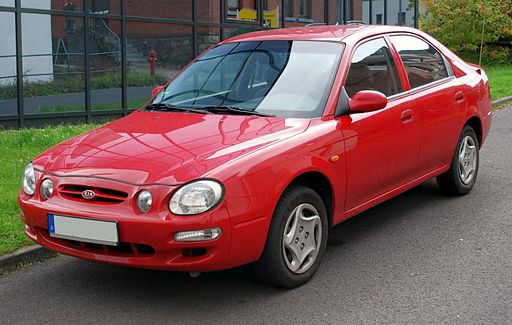
Kia Shuma car battery
The Kia Shuma is a C-segment passenger car that the Korean automaker sold in some world markets between 1997 and 2004. It is the successor to the Kia Sephia.
The first generation of the Kia Shuma was sold from 1996 to 2001 and was sold with a total of three types of 1.5 and 1.8 litre petrol engines with 59-85 kW.
The second generation was produced from 2001 to 2004 and was sold with three petrol engines of 1.6 and 1.8 liters and an output of 75 – 84 kW. You can recognize it mainly by the front grille and the shape of the headlights.
Kia Shuma battery
Kia Shuma cars mainly use batteries with a capacity of 60 Ah and a plus pole on the left.

The car battery is the heart of any vehicle’s electrical system, providing the necessary power to start the engine, run the electronic systems, and support modern onboard features. In the compact and efficient Kia Shuma, the battery must meet specific technical requirements that ensure reliability and optimal performance. As the vehicle evolves to include advanced features such as improved infotainment systems, enhanced safety modules, and refined engine management, selecting the right battery becomes paramount. This article reviews the technical parameters of car batteries suited for the Kia Shuma and offers insights into battery chemistries, performance metrics, installation considerations, and maintenance best practices.
Overview of Car Batteries for Kia Shuma
In the Kia Shuma, the car battery is not only responsible for delivering the burst of power needed during engine start but also plays a vital role in stabilizing the voltage for various electronic systems. A properly selected battery will enhance overall performance, increase system reliability, and support energy-efficient operation. Below, we explore the essential aspects that define the suitability of a battery for this vehicle.
Role and Importance
The battery in the Kia Shuma must manage the load of modern connectivity features, sensor arrays, and the power demands during both idle conditions and intense electrical draw situations. With compact cars increasingly integrating advanced telematics and diagnostic systems, the battery’s capacity and output become key to ensuring that all systems function correctly, particularly during cold starts or extreme weather conditions.
Compatibility Considerations
Designers of the Kia Shuma specify battery properties that match the electrical architecture of the vehicle. Factors such as physical dimensions, terminal configuration, and the battery’s ability to deliver high current during engine cranking are carefully engineered to avoid any compatibility issues. Selecting a battery with technical specifications aligned with the manufacturer’s guidelines is critical for optimal performance and longevity.
Technical Parameters and Specifications
Understanding the technical parameters of car batteries helps in selecting the right unit for the Kia Shuma. The primary metrics include voltage, capacity (Ampere Hours), Cold Cranking Amps (CCA), and Reserve Capacity (RC). Each parameter contributes to the battery’s ability to perform under varying conditions.
Voltage and Capacity
- Voltage: Most automotive batteries for the Kia Shuma operate at a nominal 12 volts.
- Capacity (Ampere-Hours, Ah): This rating indicates how much electrical charge the battery can store. A higher Ah rating is usually required in vehicles with additional electronic features or in climates where the engine requires more power during start-up. A proper balance must be struck between a high capacity and the physical size constraints dictated by the vehicle’s battery compartment.
Cold Cranking Amps (CCA)
- Definition: CCA is a crucial parameter that measures the battery’s ability to start an engine in cold temperatures.
- Relevance: For the Kia Shuma, a high CCA rating ensures reliable performance during harsh winters or in regions with extreme temperatures. It indicates that the battery can supply the necessary current in low-temperature environments when the engine oil is thicker and the engine requires more power to turn.
Reserve Capacity (RC)
- Definition: Reserve Capacity gauges how long a battery can provide a continuous supply of power if the alternator fails.
- Importance: In the event of an electrical failure, the RC becomes critical, ensuring that crucial systems—which may include emergency lighting or communication aids—remain operational for a specific period. The Reserve Capacity is particularly significant in compact vehicles that rely on sophisticated electronic systems.
Battery Dimensions and Terminal Configurations
- Physical Dimensions: The battery must fit securely within the designated compartment in the Kia Shuma. Dimensions and weight are standardized to maintain balance and ensure proper battery box fitment.
- Terminal Layout: The correct terminal configuration is crucial to avoid installation errors and to ensure optimal electrical connectivity. Batteries designed for the Kia Shuma typically follow industry standards for terminal placement, polarity, and cable compatibility.
Battery Chemistry Options for the Kia Shuma
Different battery chemistries offer various benefits in terms of performance, durability, maintenance, and safety. The choice of chemistry can significantly impact the overall user experience for Kia Shuma owners.
Lead Acid Batteries
- Flooded Lead Acid (FLA): This traditional battery type remains popular due to its proven reliability and cost-effectiveness. FLA batteries require periodic maintenance but are robust in most operating conditions.
- Sealed Lead Acid (SLA): Also known as maintenance-free batteries, SLA units combine the proven technology of lead acid with modern sealed construction, reducing the need for water topping and regular upkeep.
Absorbed Glass Mat (AGM)
- Enhanced Performance: AGM batteries offer improved vibration resistance, faster charging, and better performance under cyclic loads compared to traditional flooded batteries.
- Advantages: Their sealed construction ensures minimal maintenance, and they are less prone to acid leakage—a beneficial feature in vehicles where the battery is located near passenger compartments.
Gel Cell Batteries
- Superior Damping: Gel cell batteries use a gel electrolyte, providing excellent resistance to deep discharges and temperature fluctuations.
- Usage Context: Although less common in everyday passenger vehicles, they perform well in applications that demand excellent cycle durability and stability during long-term discharges, making them a potential option for specific driving conditions or climates.
Installation, Maintenance, and Longevity
The performance and lifespan of the car battery are greatly influenced by proper installation, regular maintenance, and timely replacements. Adhering to technical guidelines ensures that the battery consistently meets the demands of the Kia Shuma.
Installation Considerations
- Correct Fitment: Ensuring that battery dimensions match the design of the Kia Shuma’s battery compartment is indispensable. Any misfit can compromise mounting stability and vibration resistance.
- Terminal Connectivity: Proper alignment of positive and negative terminals is essential to avoid electrical shorts or malfunction. Readily available replacement batteries for the Kia Shuma are designed to align with the vehicle’s original specifications.
Maintenance and Diagnostic Tools
- Regular Inspections: Periodic assessment of the battery’s charge level, terminal corrosion, and overall cleanliness is vital. Using diagnostic tools like multimeters and battery load testers helps to monitor performance and predict failures.
- Maintenance-Free Options: For owners seeking a hassle-free solution, maintenance-free batteries or AGM batteries provide a significant advantage with no need for water maintenance and reduced risk of electrolyte spillage.
Service Life and Replacement Cycle
- Expected Longevity: With optimal maintenance, conventional lead acid batteries typically offer a lifespan ranging from three to five years, depending on environmental conditions and driving habits.
- Replacement Focus: Knowing when to replace the battery is critical, as degraded batteries can lead to unreliable vehicle starts and potentially affect the performance of auxiliary systems in the Kia Shuma.
Future Trends and Innovations in Car Battery Technologies
Technological innovations continue to reshape the automotive battery market. While conventional lead-acid batteries remain dominant, emerging technologies promise to further enhance performance, durability, and environmental impact.
Advancements in Battery Materials
- Lithium-Ion Evolution: Advances in lithium-ion battery technology, with better energy densities and longer cycle lives, are gradually influencing the design of lighter, longer-lasting automotive batteries.
- Hybrid Systems: Future battery compartments might incorporate hybrid solutions that blend the robustness of lead acid with the efficiency gains seen in newer chemistries, balancing cost and performance for compact models like the Kia Shuma.
Smart Battery Management Systems
- Enhanced Monitoring: Modern vehicles are increasingly integrating smart battery management systems (BMS) that continually monitor battery health, optimize charging cycles, and predict potential failures.
- Connectivity and Data Analytics: As connected vehicles become the norm, BMS can collect and analyze performance data in real time, informing maintenance schedules and improving overall vehicle reliability.
Conclusion: Sustaining Performance in the Kia Shuma
Car batteries designed for the Kia Shuma are a blend of established technology and cutting-edge innovation. The technical parameters—voltage, capacity, CCA, reserve capacity, and physical configuration—are no mere numbers, but essential factors that ensure the reliable operation of every electronic system in the vehicle. Battery chemistry plays a pivotal role, offering choices that balance performance, maintenance, and durability. Whether choosing a standard lead acid battery, an AGM for enhanced performance, or exploring the potential of gel cell options, understanding these parameters is key to selecting the right battery for a given driving environment.
With proper installation, regular maintenance, and adherence to the recommended replacement cycles, car batteries for the Kia Shuma can sustain peak performance over many years. The future of car battery technology, bolstered by advances in materials and smart management, promises even greater reliability and efficiency, ensuring that compact vehicles like the Kia Shuma remain at the forefront of automotive innovation.