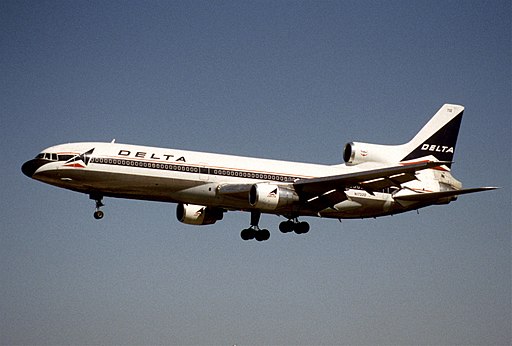
Lockheed L-1011 TriStar
The Lockheed L-1011 TriStar, introduced in the early 1970s, was a groundbreaking commercial airliner that aimed to set new standards in safety, comfort, and technology. Boasting a distinctive wide-body design with three engines mounted at the tail, the L-1011 had a seating capacity typically ranging from 250 to 400 passengers in a two-class configuration. One of its key innovations was the first fully automated approach and landing capability, enhancing safety and operational efficiency. Despite its advanced features and solid engineering, the L-1011 faced stiff competition from other manufacturers, particularly Boeing and McDonnell Douglas. The TriStar struggled to secure a significant market share, leading Lockheed to cease production in 1984 after completing a total of 250 aircraft. Despite its commercial challenges, the L-1011 left a lasting impact on the aviation industry, contributing to advancements in automation and safety systems that influenced subsequent generations of aircraft.
The Lockheed L-1011 TriStar is remembered not only for its technological contributions but also for its reputation for a smooth and quiet ride, providing passengers with a comfortable flying experience. While its commercial success may not have matched the expectations, the L-1011 played a crucial role in shaping the future of air travel, and its legacy endures as a symbol of innovation and engineering excellence. Some L-1011 aircraft served in various roles beyond commercial aviation, including military and cargo transport, showcasing the versatility and adaptability of this iconic aircraft.
Lockheed L-1011 TriStar parameters
The Lockheed L-1011 TriStar was a wide-body, three-engine commercial jetliner. Here are some key parameters for the L-1011:
- Crew: 3 (two pilots and a flight engineer)
- Length: 177 feet 8 inches (54.14 meters)
- Wingspan: 164 feet 4 inches (50.05 meters)
- Height: 55 feet 4 inches (16.87 meters)
- Empty Weight: Approximately 245,400 pounds (111,300 kilograms)
- Maximum Takeoff Weight: Approximately 510,000 pounds (231,332 kilograms)
- Maximum Range: Approximately 4,000 miles (6,437 kilometers)
- Cruising Speed: Approximately 540 miles per hour (869 kilometers per hour)
- Engines: Three Rolls-Royce RB211 or Pratt & Whitney JT9D turbofan engines
- Seating Capacity: Typically 250 to 400 passengers in a two-class configuration
- First Flight: November 16, 1970
- Entered Service: April 26, 1972
- Number Built: 250 aircraft (including all variants)
These parameters highlight the dimensions and capabilities of the Lockheed L-1011 TriStar, showcasing its role as a wide-bodied, long-range commercial airliner. Despite facing commercial challenges, the L-1011 left a technological legacy with innovations that contributed to the development of modern aircraft.
History of the Lockheed L-1011 TriStar
The Lockheed L-1011 TriStar represents a significant chapter in the history of commercial aviation, marked by technological innovation and high expectations. Introduced in 1972, the TriStar was Lockheed’s ambitious entry into the wide-body jet market. Known for its advanced technology, including the first fully automated approach and landing capability, the L-1011 aimed to set new standards for safety and efficiency. However, the TriStar faced challenges, including development delays and a changing economic landscape. Despite its advanced features and impressive engineering, the L-1011 struggled to compete effectively with rival aircraft from Boeing and McDonnell Douglas.
Production ceased in 1984 after the completion of 250 aircraft. Though it didn’t achieve the commercial success Lockheed had envisioned, the TriStar left a lasting impact on aviation technology and safety standards, with some of its innovations influencing future aircraft designs. The Lockheed L-1011 TriStar remains a symbol of ambition and innovation in the aerospace industry.
