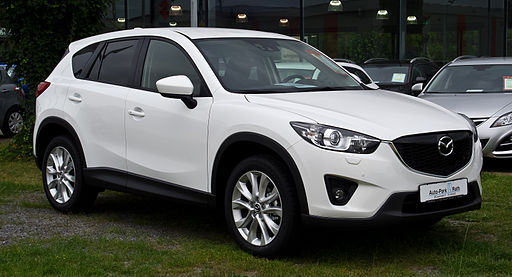
Mazda CX-5 faults
Here’s a detailed list of common and known faults reported with the Mazda CX-5, across both generations (2012–2016 and 2017–present). While the CX-5 is generally considered reliable, there are a few issues that prospective and current owners should be aware of, especially when buying used.
1. Windshield Cracking (Second Generation, 2017–present)
Issue:
Many owners have reported spontaneous cracking of the front windshield without any clear impact or external force.
Details:
- Most commonly occurs on 2017–2020 models.
- Cracks often start from the edge and spread quickly.
- Some believe it’s due to thin glass or body flexing.
Resolution:
Mazda has not issued a formal recall but has replaced windshields under warranty in some cases. Aftermarket replacements may be more durable.
2. Infotainment System Freezing / Lagging (2016–2019 models)
Issue:
The Mazda Connect system may freeze, reboot randomly, or respond slowly.
Details:
- Affects models from both generations, particularly early post-facelift first-gen and early second-gen models.
- Common complaints include navigation malfunctions, Bluetooth disconnects, and delayed touch response.
Resolution:
Software updates often solve these issues. Replacing the infotainment unit may be required if hardware is defective.
3. Premature Rear Brake Wear (2013–2016 models)
Issue:
Rear brake pads and rotors wear out quickly, sometimes before 30,000 miles / 50,000 km.
Details:
- The issue seems more pronounced in urban driving conditions.
- Can be accompanied by squealing or grinding noises.
Resolution:
Upgrading to higher-quality aftermarket pads and rotors often improves longevity. Mazda has not issued a recall.
4. Turbocharged Engine Oil Consumption (2019–present with 2.5L Turbo)
Issue:
Owners report excessive oil consumption in turbocharged CX-5s (2.5L SKYACTIV-G Turbo).
Details:
- Sometimes requires adding oil between services.
- Often seen in vehicles with higher mileage or aggressive driving.
- May not trigger a warning light.
Resolution:
Mazda has released technical service bulletins (TSBs). Regularly checking and topping off oil is recommended. Excessive issues should be diagnosed by a dealer.
5. Battery Drain and Electrical Glitches
Issue:
The battery may drain prematurely, or users may find that the battery is dead after sitting for a short time.
Details:
- Often due to modules not going into sleep mode (infotainment system, sensors, etc.)
- Also reported: key fob draining battery when kept close to vehicle overnight
Resolution:
Firmware updates, and in some cases, replacing control modules or infotainment units resolves the issue. Using an intelligent battery charger during long periods of inactivity can help.
6. Fuel Tank Rattle or Clunking Sound (Second Generation)
Issue:
Owners have reported rattling noises from the rear of the vehicle, particularly from the fuel tank area.
Details:
- Occurs on 2017–2021 models
- Caused by internal components in the fuel tank vibrating or shifting
- Most noticeable when driving over bumps
Resolution:
Dealers may replace or reseat the fuel tank under warranty. Some owners have resorted to aftermarket sound insulation.
7. Climate Control Problems
Issue:
The HVAC system may blow warm air when set to cold or fail to maintain cabin temperature.
Details:
- More common on 2017–2020 models
- Often related to faulty actuators or climate control sensors
- Intermittent in nature and can be hard to replicate
Resolution:
Replacement of the blend door actuator or temperature sensor usually resolves the issue.
8. Diesel Particular Issues (Markets like Australia, Europe)
Issue:
The 2.2L SKYACTIV-D diesel engine has had some notable problems, particularly in early models.
Details:
- Issues include DPF (diesel particulate filter) clogging, oil dilution, and turbo failures
- Frequent short trips prevent the DPF from regenerating properly
Resolution:
Software updates, regular highway drives to burn off soot, and in some cases DPF cleaning or replacement. Ensure that the vehicle has a complete service history before purchase.
9. Interior Wear and Tear
Issue:
Interior components may wear prematurely, especially on earlier models.
Details:
- Steering wheels peeling, soft-touch dashboard scratching easily
- Seat leather (especially in high trims) can crack or wear quickly
Resolution:
Regular cleaning and conditioning helps. Aftermarket steering wheel covers or seat protectors can prevent further damage.
10. Paint Quality and Thin Clear Coat
Issue:
The CX-5’s paint is prone to chips and scratches, particularly on the front bumper and hood.
Details:
- The Soul Red Crystal and Machine Gray colors seem to show damage more easily
- May lead to rust if chips aren’t addressed
Resolution:
Paint protection film (PPF) or regular touch-up paint applications help. Some owners opt for ceramic coating to preserve finish.
Summary Table of Common CX-5 Faults
| Fault | Affected Years | Severity | Solution |
|---|---|---|---|
| Windshield cracking | 2017–2020 | Moderate | Replace, check insurance coverage |
| Infotainment bugs | 2016–2019 | Low to Moderate | Software update or replacement |
| Premature brake wear | 2013–2016 | Moderate | Upgrade to quality aftermarket parts |
| Turbo oil consumption | 2019+ | Moderate | Monitor oil level, TSBs available |
| Battery drain | 2017–2021 | Moderate | Firmware update, parasitic draw testing |
| Fuel tank rattle | 2017–2021 | Low | Dealer repair or insulation |
| HVAC issues | 2017–2020 | Moderate | Replace actuators/sensors |
| Diesel DPF/oil dilution | 2013–2018 (diesel) | High | Regeneration cycles, software fix |
| Interior wear | 2013–2020 | Low | Regular care, seat covers |
| Paint chipping | All years | Low | PPF, touch-up, ceramic coating |
Final Thoughts
Despite these common faults, the Mazda CX-5 remains a top-tier compact SUV in terms of driving dynamics, safety, and style. Most of the issues listed are manageable with preventive care or have known fixes. A well-maintained CX-5, especially from the second generation (2017+), offers excellent value as a used car—just make sure to check service records, confirm any TSBs or recalls have been addressed, and inspect the vehicle thoroughly before purchase.
Mazda CX-5 as a used car
Mazda CX-5 as a Used Car: A Comprehensive Review with Technical Specifications
The Mazda CX-5 is one of the most well-rounded and desirable compact SUVs on the used car market. Blending sharp handling, refined interior design, and impressive fuel economy, the CX-5 delivers a driving experience that feels more premium than its price tag suggests. Since its introduction in 2012, it has remained one of Mazda’s best-selling vehicles globally. For used car buyers, the CX-5 offers a compelling package with strong reliability and a reputation for quality.
In this in-depth guide, we’ll explore the CX-5’s technical specifications across its two generations, highlight notable features, and examine what to look out for when purchasing a used model.
Overview of the Mazda CX-5
Introduced in 2012 as the brand’s first vehicle to feature Mazda’s SKYACTIV technologies and KODO design language, the CX-5 marked a turning point for Mazda. With a focus on driving enjoyment, efficiency, and smart design, the CX-5 competed directly with segment leaders like the Toyota RAV4, Honda CR-V, and Ford Escape.
The CX-5 has gone through two main generations:
- First generation (2012–2016)
- Second generation (2017–present)
Both generations are available on the used market and each offers solid performance and safety. The second generation especially moved the CX-5 more upmarket, with improved materials, technology, and driving dynamics.
Technical Specifications by Generation
First Generation Mazda CX-5 (2012–2016)
Engine Options:
- 2.0L SKYACTIV-G Inline-4 (2012–2014)
- Power: 155 hp (116 kW)
- Torque: 150 lb-ft (203 Nm)
- Fuel Economy (FWD): ~26 city / 35 highway mpg
- 2.5L SKYACTIV-G Inline-4 (2014–2016)
- Power: 184 hp (137 kW)
- Torque: 185 lb-ft (251 Nm)
- Fuel Economy (FWD): ~25 city / 32 highway mpg
Transmission:
- 6-speed manual (limited to base trims and FWD)
- 6-speed SKYACTIV automatic (most common)
Drivetrain:
- Front-Wheel Drive (standard)
- All-Wheel Drive (optional)
Chassis and Suspension:
- Front: Independent MacPherson strut
- Rear: Multi-link independent
- Brakes: Front ventilated discs, rear solid discs
- Steering: Electric power assist
Dimensions:
- Wheelbase: 106.3 in (2,703 mm)
- Overall Length: 178.7 in (4,540 mm)
- Width: 72.4 in (1,839 mm)
- Height: ~65.7 in (1,669 mm)
- Ground Clearance: 8.5 inches
- Cargo Space: Up to 65.4 cu ft with seats folded
- Towing Capacity: Up to 2,000 lbs (with 2.5L engine)
Second Generation Mazda CX-5 (2017–present)
Engine Options:
- 2.5L SKYACTIV-G Inline-4 (NA)
- Power: 187 hp (139 kW)
- Torque: 186 lb-ft (252 Nm)
- Fuel Economy (FWD): ~25 city / 31 highway mpg
- 2.5L SKYACTIV-G Turbocharged Inline-4 (from 2019)
- Power: Up to 250 hp (with premium fuel)
- Torque: 320 lb-ft
- Fuel Economy (AWD): ~22 city / 27 highway mpg
- 2.2L SKYACTIV-D Diesel Inline-4 (available in some markets)
- Power: 168–188 hp
- Torque: 290–330 lb-ft
- Fuel Economy: ~28–31 mpg combined
Transmission:
- 6-speed SKYACTIV automatic (standard in most markets)
- 6-speed manual (some overseas markets)
Drivetrain:
- FWD or i-ACTIV AWD (available on all trims)
Suspension and Handling:
- Revised G-Vectoring Control for smoother handling
- Excellent ride quality with responsive, car-like steering
Dimensions:
- Wheelbase: 106.2 in (2,700 mm)
- Overall Length: 179.1 in (4,550 mm)
- Width: 72.5 in (1,841 mm)
- Height: 65.4 in (1,661 mm)
- Ground Clearance: 7.5–8.2 inches (trim dependent)
- Cargo Space: 30.9 cu ft (behind seats), 59.6 cu ft (seats folded)
- Towing Capacity: Up to 2,000 lbs (gas), 3,500 lbs (diesel)
Technology and Interior (varies by trim):
- Mazda Connect infotainment with 7″ or 10.25″ display
- Apple CarPlay and Android Auto (standard from 2021, optional earlier)
- Premium trims feature Bose audio, leather upholstery, head-up display, heated and ventilated seats, power liftgate
- Dual-zone climate control, push-button start, sunroof in higher trims
Safety Features (standard or available):
- Blind Spot Monitoring (BSM)
- Rear Cross Traffic Alert (RCTA)
- Advanced Smart City Brake Support
- Lane Departure Warning and Lane Keep Assist
- Radar Cruise Control with Stop & Go
- 360° Camera (higher trims)
- IIHS Top Safety Pick+ across multiple years
Why the CX-5 Stands Out as a Used Vehicle
Driving Experience
Mazda has consistently delivered one of the best driving experiences in the compact SUV class. The steering is sharp, body roll is well controlled, and the car communicates road feel more like a sedan than an SUV. Even the base engines provide adequate power, while the turbocharged 2.5L adds genuine excitement.
Interior Quality
The CX-5 feels upscale inside, especially post-2017 models. Soft-touch materials, a sleek dashboard layout, and attention to detail give the cabin a near-luxury feel without the price tag.
Efficiency
Even with AWD, the naturally aspirated engines deliver excellent fuel economy for the class. Diesel variants (where available) are rare but offer strong torque and even better mileage.
Reliability
Mazda enjoys a strong reputation for build quality and durability. The CX-5 consistently ranks well in reliability surveys. Maintenance costs are moderate and long-term ownership is generally stress-free when properly maintained.
Common Issues to Watch For in Used Models
While the CX-5 is generally reliable, some owners have reported recurring issues:
- Infotainment bugs (2016–2018): Freezing or lagging screens. Often resolved with a software update.
- Brake wear: Premature rear brake wear has been reported, especially on first-gen models.
- Windshield cracks (2017+): Some second-gen models have had spontaneous windshield cracking.
- Turbo oil consumption (2019+): Some reports of higher oil consumption in turbocharged engines; monitor levels regularly.
- Battery drain: Occasionally due to software not letting modules sleep properly.
Be sure to check for recall completion and service history, particularly on turbocharged or diesel models.
Used Market Pricing and Value
The CX-5 tends to hold its value well, thanks to its reputation and build quality. In the U.S. and Australian used markets, prices vary by year and spec:
- 2013–2016 models: $9,000–$17,000 USD
- 2017–2019 models: $17,000–$24,000 USD
- 2020–2022 models: $22,000–$30,000 USD
Prices are higher for top trims, AWD versions, and turbocharged or diesel variants.
Conclusion
The Mazda CX-5 remains one of the most attractive options in the used compact SUV market. It offers a rare combination of driving enjoyment, fuel economy, elegant design, and strong reliability. Whether you’re a solo commuter, a growing family, or someone looking for an SUV that doesn’t feel like a compromise, the CX-5 is a well-balanced and rewarding choice.
For best value, look for 2017+ models which benefit from improved features, safety tech, and a more refined interior. With proper care, a used CX-5 can easily provide many years of satisfying and enjoyable ownership.
