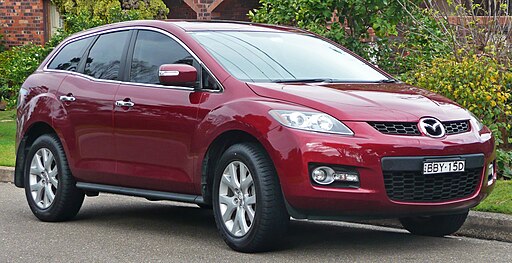
Mazda CX-7 faults
Here is a comprehensive list of common and known Mazda CX-7 faults, along with detailed explanations. The Mazda CX-7, produced from 2006 to 2012, was a stylish mid-size crossover SUV known for its turbocharged performance and sporty design. However, it suffered from several mechanical and reliability issues that affected long-term ownership, particularly in early models.
🔧 1. Turbocharger Failure
Affected Years: Primarily 2007–2010 models (with 2.3L turbo engine)
Details:
- The 2.3L DISI turbocharged engine is prone to turbocharger failure due to oil starvation.
- The issue is often caused by carbon buildup in the oil feed line, restricting oil flow to the turbo.
- Symptoms include:
- Blue smoke from exhaust
- Loss of power
- Whining noise from the turbo
Resolution:
- Replace turbocharger and clean or replace oil supply lines.
- Mazda issued technical service bulletins (TSBs), but no official recall.
- Regular oil changes with synthetic oil can prevent recurrence.
🔧 2. Timing Chain Stretch
Affected Years: 2007–2011 (2.3L turbo)
Details:
- The timing chain on the turbocharged engine may stretch prematurely, especially if oil changes are neglected or oil levels run low.
- Stretching causes:
- Engine rattle at startup
- Check engine light (usually P0016 or P0017)
- Poor engine performance
Resolution:
- Replace timing chain, tensioner, and guides.
- Costly repair if left unchecked—it can lead to engine damage.
🔧 3. VVT (Variable Valve Timing) Actuator Noise
Affected Years: 2007–2012 (mostly turbo models)
Details:
- A rattling noise on cold starts is a common symptom of a failing VVT actuator.
- Often associated with timing chain issues or low oil pressure.
- Noise goes away as the engine warms up but worsens over time.
Resolution:
- Replace the VVT actuator along with the timing chain set.
- Using the correct oil type and changing it on time can help prevent early failure.
🔧 4. Excessive Oil Consumption
Affected Years: 2007–2012 (mostly 2.3L turbo)
Details:
- Many CX-7s suffer from burning or consuming oil, often without external leaks.
- Associated with worn piston rings, valve seals, or turbo seal failure.
- May result in engine damage if not monitored.
Symptoms:
- Low oil levels between services
- Blue smoke from exhaust
- Rough idle or misfires
Resolution:
- Monitor and top up oil regularly.
- In severe cases, engine rebuild or replacement is necessary.
🔧 5. A/C Compressor Failure
Affected Years: 2007–2011
Details:
- The air conditioning compressor may seize or fail, leading to no cold air.
- Sometimes it locks up and causes damage to the serpentine belt or engine accessories.
Symptoms:
- A/C not blowing cold
- Noisy compressor
- Belt squealing
Resolution:
- Replace compressor and receiver-drier.
- Flush the A/C system to prevent contamination.
🔧 6. Transmission Problems
Affected Years: 2007–2010 (mostly AWD turbo models)
Details:
- Premature automatic transmission failure has been reported.
- Causes include overheating, harsh shifting, or slipping.
Symptoms:
- Hesitation or jerking
- Check transmission light
- Fluid leaking or burning smell
Resolution:
- Transmission fluid flush may help early on.
- Full rebuild or replacement required in more severe cases.
🔧 7. Suspension Wear – Control Arms & Bushings
Affected Years: All years
Details:
- Front lower control arm bushings and ball joints wear prematurely.
- Causes clunking sounds, uneven tire wear, and loose steering feel.
Resolution:
- Replace worn control arms or bushings.
- Consider upgrading to aftermarket parts with improved durability.
🔧 8. Electrical Glitches and Dashboard Warning Lights
Affected Years: 2007–2012
Details:
- Owners have reported random electrical issues:
- ABS/traction control lights staying on
- Faulty TPMS sensors
- Power window or lock malfunctions
Resolution:
- Scan for trouble codes.
- Replace faulty sensors or control modules as needed.
🔧 9. Engine Mount Failure
Affected Years: 2007–2012
Details:
- The CX-7 is known for engine mount wear, particularly the passenger-side and lower mounts.
- Can cause vibrations at idle and during acceleration.
Resolution:
- Replace worn mounts.
- Aftermarket upgraded mounts are available and more durable.
🔧 10. Rear Wheel Bearing Noise
Affected Years: 2008–2012
Details:
- Premature wear of rear wheel bearings can cause humming or growling noises while driving.
Resolution:
- Replace affected hub assembly.
- Check all four corners if noise persists after repair.
✅ Mazda CX-7 Known Issues Summary Table
| Fault | Affected Years | Severity | Typical Repair Cost (USD) |
|---|---|---|---|
| Turbo failure | 2007–2010 | High | $1,200–$2,000 |
| Timing chain stretch | 2007–2011 | High | $1,000–$1,800 |
| VVT actuator rattle | 2007–2012 | Moderate | $800–$1,500 |
| Excessive oil consumption | 2007–2012 | High | Varies (engine rebuild) |
| A/C compressor failure | 2007–2011 | Moderate | $700–$1,200 |
| Transmission issues | 2007–2010 | High | $2,000–$4,000 |
| Suspension wear | All years | Moderate | $300–$700 per corner |
| Electrical glitches | All years | Low | Varies (sensor/module) |
| Engine mount failure | 2007–2012 | Low | $200–$500 |
| Rear wheel bearing noise | 2008–2012 | Moderate | $300–$500 per wheel |
⚠️ Final Thoughts
While the Mazda CX-7 is stylish and sporty, especially with the turbo engine, it has a mixed reputation for long-term reliability. Many of the major issues—turbo failure, timing chain problems, and excessive oil consumption—stem from inadequate maintenance or extended oil change intervals.
If you’re considering a used Mazda CX-7:
- Look for one with complete service history
- Avoid models with the 2.3L turbo unless meticulously maintained
- Be prepared for higher-than-average maintenance costs
The later models (2010–2012) tend to be more refined, and the 2.5L naturally aspirated engine (offered in base trims) is far more reliable.
Mazda CX-7 as a used car
Mazda CX-7 as a Used Car: A Stylish Crossover with Caveats
The Mazda CX-7, produced from 2006 to 2012, carved out a niche as a sporty, midsize crossover SUV with dynamic styling and car-like handling. Aimed at buyers who wanted something more exciting than a conventional SUV, the CX-7 offered turbocharged power, distinctive design, and Mazda’s hallmark engaging driving experience. But behind the sleek body and zoom-zoom spirit, the CX-7 also came with a series of mechanical and reliability concerns that are important for used car shoppers to understand.
Overview
The CX-7 was introduced as part of Mazda’s growing SUV lineup to bridge the gap between the compact CX-5 (introduced later) and the larger CX-9. Though it looked athletic and drove more like a tall hatchback than a trucky SUV, it was only ever available with two rows of seating, making it a comfortable five-seater with a sporty flair.
Design and Features
The CX-7 sported a bold exterior for its time, with aggressive front-end styling, a steeply raked windshield, and a rising beltline. Inside, it featured a driver-centric cockpit, high-mounted center display (which evolved into a more functional multi-information screen in later models), and relatively high-quality materials.
Features commonly found in mid- and upper-tier trims included:
- Leather seats
- Power driver’s seat
- Bose premium audio system
- Rearview camera
- Navigation system (in later models)
- Automatic climate control
- Bluetooth connectivity
Trims varied by market and year, but generally included Sport, Touring, and Grand Touring variants.
Technical Specifications
Mazda offered the CX-7 with two different engine options over its production run, each catering to different drivers.
1. 2.3L DISI Turbocharged Inline-4 (MZR L3-VDT)
- Years available: 2006–2012 (most trims)
- Displacement: 2.3 liters
- Fuel type: Premium unleaded recommended
- Power output: 244 hp (182 kW) @ 5,000 rpm
- Torque: 258 lb-ft (350 Nm) @ 2,500 rpm
- Transmission: 6-speed automatic with manual shift mode
- Drivetrain: FWD or AWD
- 0-60 mph time: ~7.5 seconds (AWD)
- Fuel economy: 16–18 mpg city / 21–24 mpg highway
This engine is the same direct-injection turbocharged four-cylinder used in the MazdaSpeed3 and Mazda6 MPS. While powerful and responsive, it is also the source of many known reliability issues.
2.5L Naturally Aspirated Inline-4 (MZR L5-VE)
- Years available: 2010–2012 (base trims only)
- Power output: 161 hp @ 6,000 rpm
- Torque: 161 lb-ft @ 3,500 rpm
- Transmission: 5-speed automatic
- Drivetrain: Front-wheel drive only
- Fuel economy: 20 mpg city / 27 mpg highway
While not particularly fast, this engine is much more durable and economical, making it a preferred choice for long-term reliability.
Chassis and Suspension
The CX-7 featured a front MacPherson strut and rear multi-link suspension setup, which gave it confident handling and a smooth ride. Steering was electro-hydraulic in early years and hydraulic in later models, offering good feedback for a crossover. Braking was handled by ventilated discs front and rear, and ABS with electronic brake-force distribution came standard.
Curb Weight:
- 3,710 to 4,000 lbs, depending on trim and drivetrain
Towing Capacity:
- Rated up to 2,000 lbs (907 kg) when properly equipped
Cargo Capacity:
- 29.9 cubic feet behind second row
- Up to 58.6 cubic feet with rear seats folded
Driving Experience
Where the CX-7 shone was in its on-road behavior. The turbocharged model especially delivered strong mid-range acceleration, and the suspension tuning gave it a planted feel through corners, far sportier than most crossovers of its time. The ride was firm but composed, and road noise was present but not excessive. The naturally aspirated models were slower but offered better fuel economy and smoother operation.
Common Reliability Issues
The CX-7’s reputation for reliability is mixed, largely due to several critical issues affecting the turbocharged engine:
- Turbo failure due to oil starvation
- Timing chain stretch and VVT actuator failure causing startup rattle and potential engine damage
- Excessive oil consumption, often unnoticed until it results in internal damage
- A/C compressor failures
- Premature suspension wear, especially lower control arms
- Electrical glitches, including TPMS sensors and intermittent warning lights
Models equipped with the 2.5L naturally aspirated engine are generally much more reliable and cheaper to maintain.
Maintenance and Ownership Costs
Maintenance costs for the CX-7 can be higher than average, especially for turbocharged models. Oil changes are critical—Mazda recommends full synthetic oil and regular 5,000-mile intervals, especially for turbo versions. If neglected, the turbo, timing components, and VVT system can fail prematurely.
Prospective buyers should inspect:
- Complete service history
- Oil change intervals and records
- Turbocharger condition (listen for whining or smoke)
- Timing chain rattle on cold start
- AC performance
- Suspension noise over bumps
Aftermarket support for replacement parts is widely available, and many of the common issues have well-known solutions.
Pros and Cons of the CX-7 as a Used Car
Pros:
- Sharp, attractive styling
- Engaging handling and sporty performance
- Comfortable interior with good ergonomics
- Reasonable cargo space
- Affordable pricing on the used market
Cons:
- Questionable long-term reliability (especially turbo models)
- Expensive repairs if not properly maintained
- Mediocre fuel economy
- No third-row seating
- Requires premium fuel for turbo engine
Verdict: Should You Buy a Used Mazda CX-7?
The Mazda CX-7 is a great option if you’re looking for an affordable, fun-to-drive crossover with striking looks, and you’re willing to be diligent about maintenance. The 2.5L naturally aspirated engine (2010–2012) is the safest bet for longevity and lower running costs, while turbocharged models offer much more performance but come with higher risk.
Used examples can be found at budget-friendly prices, often below comparable models from Toyota or Honda. However, buyers should perform thorough mechanical inspections or consider certified mechanics familiar with Mazda’s turbo engines before purchasing.
In summary, the Mazda CX-7 is a unique and rewarding SUV for the right owner—one who appreciates its performance and is prepared to maintain it well. Treated right, it can be a reliable and stylish companion for years to come.
_Luxury_wagon_(2010-06-17)_01.jpg)