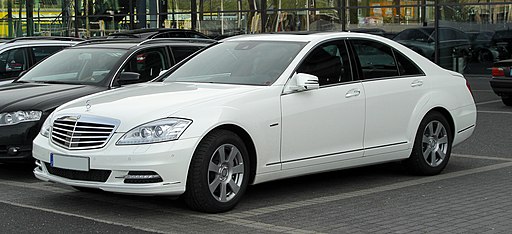
Mercedes-Benz S-Class as a Used Car: Luxury, Comfort, Reliability and Buying Advice
The Mercedes-Benz S-Class has long been regarded as one of the most prestigious luxury cars in the world. For decades, it has represented the highest level of comfort, engineering, safety and technological innovation offered by Mercedes-Benz. As the brand’s flagship sedan, the S-Class has introduced numerous features that later became commonplace in more affordable vehicles, including advanced driver-assistance systems, sophisticated suspension technology and increasingly intelligent infotainment systems. However, buying a brand-new S-Class requires a substantial financial investment, which makes the used-car market an attractive alternative for drivers who want a premium driving experience without paying the original showroom price.
A used Mercedes-Benz S-Class can offer exceptional comfort, powerful engines, high-quality materials and impressive long-distance capabilities. Nevertheless, it is important to remember that depreciation reduces the purchase price, not the cost of maintaining a complex luxury vehicle. Expensive electronic components, advanced suspension systems and powerful engines can all require significant investment as the car ages. Choosing the right generation, engine and individual vehicle is therefore essential to enjoying the S-Class without unexpected financial difficulties.
For prospective buyers, the sixth-generation W222, produced from 2013 to 2020, is particularly interesting because it combines modern technology with substantial depreciation. The newer W223, introduced in 2020, offers even more advanced equipment but generally requires a larger budget. Earlier generations, such as the W221, can also provide an affordable entry into S-Class ownership, although their age makes condition and maintenance history especially important.
Why Buy a Used Mercedes-Benz S-Class?
The main attraction of a used S-Class is the amount of luxury available for the purchase price. A vehicle that originally cost as much as a large house deposit may, after several years of depreciation, become financially accessible to buyers who would never have considered purchasing it new. Even older examples can feature electrically adjustable seats with memory functions, multi-zone climate control, sophisticated sound systems, adaptive cruise control and extensive safety equipment.
Comfort is arguably the S-Class’s greatest strength. Its spacious interior, excellent sound insulation and carefully calibrated suspension make it particularly suitable for motorway journeys and long-distance travel. Rear-seat passengers benefit from generous legroom, while selected versions offer reclining seats, ventilation, massage functions and individual entertainment systems. The S-Class is equally capable of serving as a chauffeur-driven limousine or a comfortable personal vehicle.
Another important advantage is the wide selection of engines and equipment. Depending on the generation and market, buyers can choose from economical diesel engines, smooth petrol six-cylinders, powerful V8 units and exclusive V12 models. However, more power and additional equipment generally mean higher maintenance costs, making it important to select a car that suits both driving requirements and the available ownership budget.
Generations of the Mercedes-Benz S-Class
W221 (2005–2013)
The W221 represents an increasingly affordable way to experience traditional Mercedes-Benz flagship luxury. It offers a spacious cabin, comfortable ride and a range of engines, including six-cylinder diesels, petrol V8s and V12s. Its interior design is less modern than that of newer generations, but a well-maintained example can still feel impressive on the road.
The main consideration when buying a W221 is its age. Suspension components, electronic control units, climate-control systems and interior equipment may require attention, particularly on vehicles with high mileage. Air suspension deserves special consideration because leaks, compressor problems and worn components can lead to expensive repairs. A complete service history and a thorough mechanical inspection are particularly valuable when considering this generation.
W222 (2013–2020)
The W222 is one of the most appealing generations in the used S-Class market. Its elegant exterior design, modern interior and extensive technological equipment give it a contemporary appearance, while its comfort and refinement remain central to the driving experience. It was offered with a broad selection of petrol and diesel engines, including the S350d, S400d, S500 and S560, as well as high-performance AMG and V12 variants, depending on the market and model year.
The 2017 facelift brought revised styling, updated assistance systems and significant changes to the engine range. Later versions also introduced 48-volt mild-hybrid technology in selected models. The W222’s advanced equipment is a major attraction, but it also creates potential sources of age-related faults. Air suspension, electronic seat controls, infotainment systems and various driver-assistance components should all be checked before purchase.
W223 (2020–present)
The W223 represents a further step towards digitalisation and advanced driver assistance. Its large central touchscreen, digital instrument display, sophisticated interior and available rear-axle steering give it a distinctly modern character. Depending on the market, the range includes mild-hybrid petrol and diesel engines, plug-in hybrids and powerful V8 versions.
As a used car, the W223 offers more recent technology and a newer overall design, but its purchase price is generally higher. Its complex electronic systems, 48-volt architecture and advanced suspension equipment also mean that specialist diagnostics and maintenance remain important. Buyers should pay particular attention to software updates, recall completion and the condition of the vehicle’s electronic systems.
Engines and Driving Performance
The engine range is one of the most important factors when choosing a used S-Class. Diesel models are particularly popular in European markets because they combine strong torque with relatively low fuel consumption for a vehicle of this size. Petrol engines provide smooth acceleration and quieter operation, while V8 and V12 versions deliver performance that is more commonly associated with sports cars than traditional luxury sedans.
Diesel engines
The S350d is a popular choice for drivers who regularly cover long distances. Depending on the generation, it is available with a V6 or inline-six diesel engine, delivering strong low-speed torque and relaxed motorway cruising. The later OM656 inline-six, available in facelifted W222 models, offers impressive refinement and performance. The S400d provides additional power for drivers who want stronger acceleration without moving to a petrol V8.
Diesel ownership does, however, involve additional considerations. The diesel particulate filter, exhaust gas recirculation system, AdBlue equipment and associated sensors can require costly repairs, especially if the car has spent much of its life on short urban journeys. A diesel S-Class is generally better suited to regular longer trips, where the engine and emissions systems can reach their normal operating temperatures.
Petrol V6 and V8 engines
Petrol-powered S-Class models are an appealing option for drivers who prioritise smoothness, quiet operation and effortless acceleration. The S400 and S450 offer a useful balance of performance and comfort, while the S500 and S560 provide the stronger acceleration and distinctive character of a twin-turbocharged V8.
The V8 engines are capable of delivering impressive performance, but they also have more expensive components and potentially higher fuel consumption. On certain W222 petrol models, buyers should pay attention to oil leaks, camshaft adjustment components, cooling-system condition and evidence of irregular servicing. A detailed diagnostic inspection is advisable, particularly when considering a high-mileage example.
AMG and V12 models
The Mercedes-AMG S63 and S65 occupy a different position within the S-Class range. They combine limousine comfort with powerful engines, sportier suspension tuning, distinctive styling and enhanced braking systems. The S63 typically features a twin-turbocharged V8, while the S65 uses a twin-turbocharged V12 in the generations where it was offered.
These versions can be exceptionally rewarding, but their higher performance comes with increased costs for fuel, tyres, brakes, servicing and specialised components. Their previous owners may also have driven them more enthusiastically than standard models. For this reason, a complete maintenance history and an independent inspection are particularly important.
Reliability and Common Problems
The Mercedes-Benz S-Class is engineered to a high standard, but its sophisticated technology means that reliability depends heavily on maintenance and the condition of individual components. A low purchase price should never be interpreted as evidence that a particular car will be inexpensive to own.
One of the most important areas to inspect is the AIRMATIC air suspension. Depending on the version, the vehicle may also feature more advanced suspension technology, including Magic Body Control. Air springs, compressors, valves and electronic controls can deteriorate over time. Uneven ride height, unusual noises, excessive suspension movement or warning messages may indicate an underlying problem.
Electronic equipment is another potential source of unexpected expenditure. Faults can affect infotainment systems, parking sensors, cameras, electric seats, soft-close doors, climate control and driver-assistance features. Although some problems are caused by relatively simple issues such as weak batteries or software faults, others require specialist diagnosis and replacement components.
The automatic transmission should operate smoothly, both when cold and at normal operating temperature. Hesitation, harsh gear changes, vibration or unusual noises deserve further investigation. Engine condition, oil leaks, cooling-system performance and the operation of the charging system should also be checked. On newer mild-hybrid models, the 48-volt electrical system adds another area that requires suitable diagnostic equipment.
Before purchasing any S-Class, check its vehicle identification number for outstanding recalls and confirm that all applicable work has been completed. A professional pre-purchase inspection by a Mercedes-Benz specialist can reveal problems that are difficult to identify during an ordinary test drive.
Maintenance and Running Costs
The cost of maintaining a used S-Class is significantly influenced by its age, engine, mileage and equipment. Routine servicing includes engine oil and filter changes, air and cabin filters, brake-fluid replacement and regular inspections of the brakes, suspension and drivetrain. Diesel models also require attention to their emissions systems, while more powerful petrol versions may need additional expenditure on ignition components and other engine-related maintenance.
Tyres and brakes are another important consideration. The S-Class is a large and relatively heavy vehicle, and models with larger wheels or AMG equipment can require particularly expensive replacement parts. Advanced suspension repairs and electronic component replacements can add considerably to the annual ownership budget.
It is sensible to keep a separate financial reserve for unexpected repairs rather than spending the entire budget on the initial purchase. Buying a car with a complete service history, documented repairs and evidence of preventive maintenance can help reduce uncertainty, although it cannot eliminate the possibility of future faults.
What to Check Before Buying a Used S-Class
A careful inspection is essential when buying a luxury car with a complex mechanical and electronic design. Even a vehicle with relatively low mileage may have suffered from poor maintenance or long periods of inactivity.
- Service history: Check invoices, digital service records and evidence of regular oil changes.
- Engine: Look for oil leaks, coolant loss, abnormal noises, smoke and uneven idling.
- Transmission: Test gear changes during acceleration, deceleration and low-speed driving.
- Suspension: Check for uneven ride height, warning messages, leaks and unusual noises.
- Electronics: Test all seats, screens, cameras, sensors, climate-control functions and electric doors.
- Bodywork: Inspect the paint, panel gaps, underbody and signs of previous accident repairs.
- Diagnostic scan: Have all major control units checked using Mercedes-Benz-compatible diagnostic equipment.
- Recalls: Confirm that all applicable safety recalls and manufacturer campaigns have been completed.
A proper test drive should include urban roads, uneven surfaces and faster roads. This helps reveal suspension noises, drivetrain irregularities and problems that may not be noticeable when the car is stationary.
Is a Used Mercedes-Benz S-Class Worth Buying?
A used S-Class can provide a level of refinement, comfort and equipment that is difficult to find in an ordinary family sedan. The W222 is particularly attractive to buyers looking for a modern luxury vehicle, while the W221 may appeal to those with a smaller initial budget. The W223 offers more recent technology for buyers prepared to pay more for a newer vehicle.
The most important consideration is not simply the model year or engine output, but the condition and maintenance history of the individual car. A well-maintained vehicle with documented servicing and a satisfactory inspection may offer years of comfortable motoring, whereas a neglected example can quickly become an expensive project.
Ultimately, the Mercedes-Benz S-Class is best approached as a premium vehicle with premium running costs, even when its used purchase price seems surprisingly affordable. Buyers who plan for maintenance, choose their engine carefully and arrange a professional inspection can make a more informed decision and enjoy the qualities that have made the S-Class an enduring flagship.
Mercedes-Benz S-Class: Technical Specifications
The following table provides representative specifications for selected W222 sedan versions. Figures are approximate and may vary according to model year, market, drivetrain and equipment. They should not be treated as specifications for every S-Class generation.
|
Model |
Engine |
Power (approx.) |
Transmission |
Fuel |
|---|---|---|---|---|
|
S350d (W222) |
3.0L V6 diesel |
258 hp |
7G-Tronic / 9G-Tronic |
Diesel |
|
S400d (W222 facelift) |
2.9L inline-6 diesel |
340 hp |
9G-Tronic |
Diesel |
|
S450 (W222 facelift) |
3.0L inline-6 petrol, mild hybrid |
367 hp |
9G-Tronic |
Petrol |
|
S500 (W222) |
4.7L twin-turbo V8 |
455 hp |
7G-Tronic / 9G-Tronic |
Petrol |
|
S560 (W222 facelift) |
4.0L twin-turbo V8 |
469 hp |
9G-Tronic |
Petrol |
|
AMG S63 (W222) |
5.5L or 4.0L twin-turbo V8 |
585–612 hp |
Automatic |
Petrol |
|
AMG S65 (W222) |
6.0L twin-turbo V12 |
630 hp |
Automatic |
Petrol |
Specifications are representative of selected European and international model variants; output, transmission and equipment can differ by year and market.
Final thoughts
The Mercedes-Benz S-Class remains an appealing used luxury sedan because of its exceptional comfort, refined engines, spacious interior and advanced technology. However, the purchase price is only one part of the ownership equation. Maintenance records, mechanical condition, specialist inspection and a realistic repair budget are essential to finding an example that delivers the intended luxury experience without placing unnecessary pressure on your finances.
_sedan_(2016-01-04)_01.jpg)