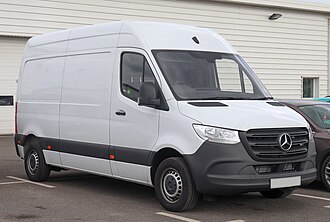
Mercedes-Benz Sprinter as a Used Car: A Comprehensive Buying Guide
The Mercedes-Benz Sprinter has established itself as one of the most recognisable large commercial vehicles on European roads. Known for its versatility, generous cargo capacity and ability to cover long distances, it is a popular choice among tradespeople, delivery companies, transport operators and motorhome enthusiasts. Since its introduction in 1995, the Sprinter has evolved through several generations, gaining more powerful engines, improved safety equipment, greater driving comfort and increasingly sophisticated technology. Its popularity on the new-vehicle market has also created a substantial supply of used examples, offering buyers the opportunity to acquire a capable commercial vehicle at a considerably lower price than a new one.
However, purchasing a used Sprinter requires careful consideration. Commercial vehicles often lead demanding working lives, accumulate high mileage and experience wear that may not be immediately apparent during a short test drive. A van that looks clean and well maintained on the outside may have spent years carrying heavy loads, making frequent urban deliveries or operating in challenging conditions. Engine condition, maintenance history, corrosion, transmission performance and the state of modern emissions systems can all have a significant impact on long-term ownership costs. Understanding the different generations and their characteristics is therefore essential before making a purchase.
The History and Generations of the Mercedes-Benz Sprinter
The first Mercedes-Benz Sprinter appeared in 1995 as a successor to the T1, introducing a more modern design, improved aerodynamics and a more comfortable driving environment. It quickly became an established presence in the commercial vehicle market, thanks to its broad range of body styles, engine options and load capacities. The first generation, produced until 2006, is now relatively old, but well-preserved examples can still be found on the used market, particularly among specialist operators and enthusiasts looking for a straightforward working vehicle.
The second generation, known as the W906, arrived in 2006 and remained in production until 2018. It brought improvements in safety, comfort, engine performance and available equipment, while retaining the practical design that made the Sprinter successful. This generation is particularly significant for used buyers because it represents a large proportion of the vehicles currently available at accessible prices. The range included panel vans, crew vans, minibuses, chassis cabs and numerous specialist conversions, with several wheelbase and roof-height configurations. A facelift introduced in 2013 further modernised the model, including updates to its appearance, equipment and engine range.
The third generation, designated W907 or W910 depending on the configuration, was introduced in 2018. It brought a redesigned exterior, a more modern cabin, improved driver-assistance technology and a broader choice of drivetrains. Depending on the model and market, buyers can find front-wheel-drive, rear-wheel-drive and all-wheel-drive versions, as well as manual and automatic transmissions. Later models also introduced more advanced multimedia systems and additional electronic safety features. The fully electric eSprinter expanded the range further, although diesel-powered examples remain an important part of the used market.
Engines and Driving Performance
Four-cylinder diesel engines
The four-cylinder diesel engines are among the most common powertrains found in used Sprinters. Earlier W906 models were equipped with the OM646, while the OM651 2.1-litre diesel engine became a major part of the range from 2009 onwards. Depending on the year, configuration and power rating, the OM651 was available in several versions, providing a useful balance between performance, fuel consumption and operating costs. It is particularly well suited to everyday commercial work, offering sufficient torque for carrying substantial loads and maintaining steady motorway speeds.
In the third-generation Sprinter, the OM651 was initially carried over in some versions before the newer OM654 2.0-litre diesel engine was introduced. The OM654 offers a more modern design and improved emissions performance, although the precise specification depends on the model year and market. When purchasing either engine second-hand, it is important to examine the service records, oil-change history, cold-start behaviour and condition of the exhaust after-treatment system. A well-maintained engine can provide many years of service, but neglected maintenance can lead to expensive repairs.
Six-cylinder diesel engines
For buyers who regularly transport heavy loads or travel long distances, the 3.0-litre V6 OM642 diesel is another option worth considering. Fitted to selected higher-powered CDI models, this engine delivers strong torque and smooth performance, making it suitable for demanding applications. Its six-cylinder configuration also provides a different driving character, particularly when accelerating with a full load or travelling on motorways.
The additional performance comes with potential disadvantages. Fuel consumption can be higher than that of comparable four-cylinder models, while maintenance and certain repairs may be more expensive. The OM642 is also associated with issues such as oil cooler seal leaks, which can require considerable labour to repair. Buyers should therefore pay particular attention to evidence of previous engine work and any signs of oil leakage.
Manual and automatic transmissions
Used Sprinters are available with different manual and automatic gearboxes, depending on the generation and specification. Manual transmissions offer a familiar driving experience and can be suitable for buyers who prioritise straightforward operation. However, the clutch and dual-mass flywheel may require replacement on vehicles that have covered high mileage or frequently operated under heavy loads.
Automatic transmissions can make daily driving more comfortable, especially in urban traffic, when manoeuvring or during long working days. Later models introduced more advanced automatic gearboxes, including the nine-speed automatic on selected versions. Regardless of transmission type, a test drive should include acceleration, deceleration, reversing and driving at different speeds. Hesitation, harsh shifts, unusual noises or slipping should be investigated before purchase.
Reliability and Common Problems
A used Sprinter can be a durable working vehicle, but its reliability depends heavily on maintenance, operating conditions and the quality of previous repairs. Commercial use makes mileage alone an unreliable indicator of condition. A van that has spent most of its life travelling long motorway distances may have experienced less engine wear than one with significantly lower mileage that has repeatedly operated in congested city traffic.
One of the first areas to inspect is the engine’s fuel injection system. Injector seal leaks can produce a characteristic chuffing noise, unpleasant smells and black carbon deposits around the injectors. On some OM651 engines, timing-chain wear and related components also deserve attention, particularly if the engine produces rattling noises during a cold start. A specialist inspection can help establish whether these symptoms indicate a developing mechanical problem.
Modern diesel emissions equipment is another important consideration. Depending on the model year and engine, a Sprinter may be fitted with a diesel particulate filter (DPF), exhaust gas recirculation (EGR) system and selective catalytic reduction (SCR) technology using AdBlue. Vehicles used predominantly for short journeys and frequent stop-start driving can experience problems with DPF regeneration, exhaust deposits and emissions-system sensors. Warning lights, reduced engine power and recurring fault codes should never be dismissed as minor electronic issues without a proper diagnosis.
Corrosion is particularly relevant when inspecting older Sprinters. Areas worth checking include the wheel arches, door edges, sills, chassis components, underbody, suspension mounting points and locations where dirt and moisture can collect. Previous accident repairs and poorly executed bodywork can also conceal corrosion or structural damage. Sliding doors, door locks, hinges, electrical equipment and air-conditioning systems should be checked as well, because faults in these components can affect everyday usability and create additional expenses.
Fuel Consumption and Running Costs
Fuel consumption is an important factor when choosing a used Sprinter, particularly for businesses that cover many kilometres every year. Actual consumption varies according to engine, transmission, vehicle weight, body configuration, driving style and load. A lightly loaded panel van travelling on motorways will generally consume less fuel than a heavily loaded vehicle making frequent urban deliveries.
Four-cylinder diesel versions are usually the more economical choice for everyday operation, while V6 models offer additional performance at the expense of potentially higher fuel costs. Aerodynamic resistance also plays a role, meaning that high-roof vans, minibuses and vehicles with large external accessories may consume more fuel than shorter, lower-roof versions.
Indicative real-world fuel consumption
Approximate illustrative ranges for diesel versions. Actual consumption depends on the individual vehicle and operating conditions.
In addition to fuel, owners should budget for regular servicing, tyres, brakes, suspension components, insurance, roadworthiness inspections and unexpected repairs. The cost of replacement parts and labour can be higher than for smaller passenger cars, particularly when specialist diagnostic equipment or extensive dismantling is required. Buyers should also consider whether the vehicle’s emissions standard meets the requirements of the areas in which it will operate.
A sensible financial approach is to retain a separate maintenance reserve after purchasing the van. Even a vehicle with a complete service history may require immediate attention to age-related components, tyres or brakes. This is especially important when buying an older commercial vehicle with a high annual mileage.
Interior, Comfort and Practicality
One of the Sprinter’s most recognisable strengths is its versatility. The model has been offered in a wide range of body styles, including panel vans, crew vans, passenger minibuses, chassis cabs, dropside vehicles and specialist conversions. Different wheelbases, body lengths and roof heights allow buyers to choose a configuration that suits their particular requirements. This flexibility makes the Sprinter suitable for everything from parcel delivery and construction work to passenger transport and recreational travel.
The cabin is designed primarily for commercial use, with a relatively upright driving position, large windows and practical storage compartments. Later generations offer improved ergonomics, more sophisticated infotainment systems and a greater range of driver-assistance features. Depending on the specification, equipment may include navigation, parking sensors, a reversing camera, automatic climate control, heated seats and adaptive cruise control.
The cargo area is equally important. Before buying, check the internal length, width between the wheel arches, roof height, access-door arrangement and payload. A larger body does not necessarily mean a higher payload, as the vehicle’s own weight and gross vehicle weight rating must also be considered. This is particularly relevant for motorhome conversions and specialist vehicles, where additional furniture, equipment and passengers can significantly reduce the remaining payload.
For long-distance drivers, cabin condition deserves particular attention. Worn seats, damaged steering wheels, loose interior trim and excessive pedal wear may indicate intensive use. Check the heating, ventilation, air conditioning, electrical windows, multimedia system and all dashboard functions to establish whether the vehicle is comfortable and fully operational.
What to Check Before Buying a Used Mercedes-Benz Sprinter
A thorough inspection is essential before committing to a purchase. Ideally, arrange an independent inspection by a workshop familiar with Mercedes-Benz commercial vehicles, particularly if the van has covered substantial mileage or has a complicated service history.
- Service history: Check invoices, service records, oil-change intervals, inspection reports and documentation of major repairs. Verify that the recorded mileage is consistent across available documents.
- Engine condition: Start the engine when cold and listen for unusual rattling, knocking or uneven running. Inspect for oil and coolant leaks, excessive smoke and abnormal vibrations.
- Transmission and drivetrain: Test the clutch, gearbox, differential and driveshafts. Listen for unusual noises and pay attention to vibration during acceleration.
- Emissions systems: Check for DPF, EGR, AdBlue and NOx-sensor faults, where fitted. A diagnostic scan should be part of the inspection.
- Chassis and bodywork: Examine the underbody, structural areas, sills, arches and suspension mounting points for corrosion, damage or evidence of poor repairs.
- Suspension and brakes: Look for uneven tyre wear, worn suspension components, excessive brake vibration and any signs of uneven braking.
- Electrical equipment: Test the lights, central locking, windows, parking sensors, multimedia system and all other installed equipment.
- Commercial history: Establish whether the van was previously used for deliveries, construction, passenger transport, towing or another demanding application.
A diagnostic scan can reveal stored or recurring faults that may not be visible on the dashboard. However, a clean scan does not guarantee that a vehicle is mechanically sound, so electronic diagnostics should complement rather than replace a physical inspection. It is also worth checking the vehicle identification number (VIN), ownership documentation, outstanding finance where applicable, previous accident records and any relevant manufacturer recall work.
A test drive should cover a variety of road conditions, including urban streets, faster roads and, where practical, a motorway. The engine should reach its normal operating temperature, the vehicle should accelerate smoothly and the steering should remain stable. Any unusual behaviour should be investigated before negotiations are finalised.
Which Used Mercedes-Benz Sprinter Should You Choose?
The right Sprinter depends on the intended application, annual mileage, available budget and willingness to maintain an older commercial vehicle. The W906 offers a broad choice of engines and body configurations and is often considered by buyers looking for a practical used van. Later facelift models can provide a useful combination of modern equipment and established mechanical components, although condition and service history remain more important than the registration year alone.
The W907 is worth considering for buyers who need a more modern cabin, additional driver-assistance systems and newer powertrain technology. Its higher purchase price may be balanced by a newer vehicle, but maintenance costs and the complexity of emissions and electronic systems should still be considered. Older first-generation Sprinters may appeal to buyers seeking a simpler vehicle for specific purposes, although corrosion, age-related deterioration and parts availability require particular attention.
Motorhome buyers should focus on body dimensions, payload, axle limits and the condition of the base vehicle. Tradespeople may place greater importance on loading access, durability and the availability of replacement parts, while passenger transport operators should carefully examine seating arrangements, safety equipment and the vehicle’s maintenance history.
Ultimately, there is no single engine or model year that will suit every buyer. A carefully inspected Sprinter with documented servicing and a clear history may offer more dependable ownership than a newer vehicle that has been neglected or subjected to demanding working conditions.
Technical Specifications of the Mercedes-Benz Sprinter
The following table provides a general overview of common diesel configurations from the main Sprinter generations. Exact specifications vary according to the production year, market, body style, gross vehicle weight and engine version.
|
Technical specification |
W906 (2006–2018) |
W907/W910 (2018 onwards) |
|---|---|---|
|
Vehicle class |
Large commercial van |
Large commercial van |
|
Body styles |
Panel van, crew van, minibus, chassis cab |
Panel van, crew van, minibus, chassis cab |
|
Engine types |
2.1 CDI, 3.0 V6 CDI |
2.0 CDI, 2.1 CDI, 3.0 V6 CDI on selected versions |
|
Engine configuration |
4-cylinder / V6 diesel |
4-cylinder / V6 diesel, depending on version |
|
Displacement |
2,143 / 2,987 cc |
1,950 / 2,143 / 2,987 cc, depending on version |
|
Typical power range |
Approx. 95–190 hp |
Approx. 114–190 hp, depending on version |
|
Transmission |
6-speed manual, automatic |
6-speed manual, 7G-TRONIC or 9G-TRONIC on selected versions |
|
Drivetrain |
Mainly rear-wheel drive; 4×4 available |
Front-wheel drive, rear-wheel drive or 4×4, depending on version |
|
Fuel |
Diesel |
Diesel; electric eSprinter also available |
|
Emissions standard |
Euro 4 to Euro 6, depending on year |
Generally Euro 6 |
|
Gross vehicle weight |
Commonly 3.0–5.0 tonnes |
Commonly 3.0–5.5 tonnes, depending on variant |
|
Fuel tank capacity |
Approx. 75–100 litres, depending on version |
Varies by configuration |
|
Body lengths |
Multiple wheelbase and length options |
Multiple wheelbase and length options |
|
Roof heights |
Standard, high and extra-high options |
Standard, high and extra-high options |
Specifications are indicative and are not a substitute for the technical data of an individual vehicle. Engine availability, power output, dimensions and weight ratings differ by market and model year.
Conclusion: Is the Mercedes-Benz Sprinter a Good Used Vehicle?
The Mercedes-Benz Sprinter remains a versatile option in the used commercial vehicle market, offering a wide range of configurations, practical cargo capacity and engines designed for demanding everyday work. Its ability to serve as a delivery van, passenger vehicle, work vehicle or motorhome base makes it suitable for a broad range of owners and businesses.
Nevertheless, the Sprinter is not a vehicle that should be purchased on reputation alone. High mileage, intensive commercial use, corrosion and expensive mechanical or emissions-system faults can all affect the ownership experience. Buyers should carefully assess the condition of the engine, transmission, chassis and electrical equipment, while paying particular attention to maintenance records and previous operating conditions.
A thorough pre-purchase inspection, a realistic maintenance budget and a clear understanding of the vehicle’s intended use are the foundations of a successful purchase. With these considerations in mind, a well-maintained used Sprinter can provide a practical and capable transport solution for many years, whether it is used for professional work, passenger transport or leisure travel.
.