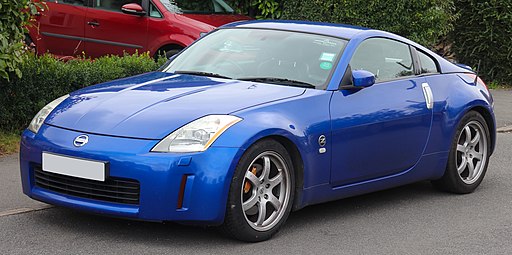
Nissan 350Z faults
Common Nissan 350Z Faults
Several issues have surfaced over the years, particularly on high-mileage models or those that have been heavily spirited. Below, we list the most commonly reported faults along with their symptoms, technical details, and potential fixes.
Engine-Related Issues
Excessive Oil Consumption
Symptoms:
- Rapid oil level drop between changes
- Noticeable blue smoke during acceleration
- Frequent top-offs required
Technical Details: The robust VQ35DE 3.5L V6, while powerful and enduring, is known in some models to consume oil at higher-than-expected rates. Many owners report burning anywhere from a quart every 1,000 to 2,000 miles. Some of this behavior is attributable to aging valve cover gaskets or worn piston rings. In some cases, short trips and high-idling conditions exacerbate the problem.
Maintenance Tips:
- Regularly check the oil level and stick to more frequent oil-change intervals using the grade recommended for your climate (commonly 10W-30 in hot areas and 5W-30 in colder ones).
- Consider using a slightly heavier oil if your driving tends to be primarily in stop-and-go city conditions.
- Monitor for leaks around the valve cover and replace gaskets if necessary.
Throttle Body and Intake Issues
Symptoms:
- Erratic or high idle
- Hesitation on acceleration
- Reduced throttle response
Technical Details: A dirty or malfunctioning throttle body is a common culprit behind inconsistent engine behavior in the 350Z. Over time, carbon buildup can affect sensor readings, leading to unpredictable throttle performance. This issue is more evident in vehicles that haven’t received regular cleaning of the intake system.
Maintenance Tips:
- Periodically clean the throttle body and intake tract as part of your routine maintenance.
- Replace the throttle position sensor if erratic readings persist.
- A proper diagnostic scan can identify sensor issues before they lead to more significant performance problems.
Timing Chain Guides and Tensioner Concerns
Symptoms:
- Rattling noise from the engine during startup
- Engine misfires or unusual vibrations
- Check engine light illuminated with timing-related codes
Technical Details: While the 350Z’s timing chain is designed for long-term durability, several owners have reported premature wear of the timing chain guides and tensioner—particularly in some early production models (roughly 2003–2006). If not addressed, these components may eventually lead to timing chain slack, causing engine misfires or, in worst-case scenarios, catastrophic engine damage.
Maintenance Tips:
- During a routine mechanical inspection, listen for any unusual noise from the timing chain area, especially at startup before the engine warms up.
- Replace worn timing chain guides and tensioners as recommended in the service manual.
- Keep records of maintenance history to know if these components have been upgraded on used models.
Transmission and Drivetrain Issues
Clutch and Synchromesh Wear (Manual Models)
Symptoms:
- Clutch slippage under hard acceleration
- Difficulty in engaging gears—especially in first and reverse
- Grinding noise when shifting
Technical Details: For enthusiasts who favor the engaging 6-speed manual transmission, premature clutch wear and synchromesh degradation are well-documented. Aggressive driving, particularly track use or spirited street driving, accelerates wear, making the clutch less responsive over time.
Maintenance Tips:
- Inspect the clutch pedal engagement and feel for any signs of unusual softness or slippage.
- Have your manual transmission serviced regularly, and prepare for potential clutch replacement if heavy use is evident.
- Consider aftermarket performance clutches designed to handle higher loads if you tend to be aggressive on the throttle.
Transmission Fluid Degradation (Automatic Models)
Symptoms:
- Delayed or harsh gear shifts
- Transmission hesitation during acceleration
- Warning lights related to transmission performance
Technical Details: Automatic transmission variants of the 350Z are generally reliable; however, failing to maintain proper transmission fluid levels and quality can lead to erratic shifting. Fluid degradation in these systems is a typical concern for any performance transmission that endures high heat and stress.
Maintenance Tips:
- Adhere closely to Nissan’s recommended transmission fluid change intervals.
- Use the correct fluid type specified for your model year and build.
- Periodically inspect for any signs of fluid leaks and have a transmission specialist check for internal wear if shifting issues occur.
Suspension and Handling Issues
Worn Suspension Components
Symptoms:
- A bouncy or unstable ride over uneven surfaces
- Clunking noises when driving over bumps
- Reduced responsiveness in corners
Technical Details: The Nissan 350Z is built for performance, and its suspension components—including shock absorbers, bushings, and ball joints—can wear out over time, especially if the car has seen spirited driving. Worn suspension parts not only affect ride quality but can also degrade handling and performance.
Maintenance Tips:
- Regularly inspect the suspension system during routine maintenance checks.
- Replace worn or degraded bushings and shocks to maintain alignment and cornering performance.
- If the vehicle has been used on a track, consider upgrading to performance-oriented suspension components.
Electrical and Sensor Glitches
Erratic Sensor Behavior and Dashboard Warnings
Symptoms:
- Inconsistent readings on gauges (e.g., oil pressure, engine temperature)
- Intermittent check engine lights or other warning notifications
- Engine misfires or hesitation correlated with specific sensor faults
Technical Details: Electrical issues, often related to aged wiring or sensor degradation, are not uncommon as the 350Z ages. Sensors such as the throttle position sensor (TPS), mass air flow (MAF) sensor, or engine coolant temperature sensor may begin sending erroneous signals, leading to performance issues.
Maintenance Tips:
- Conduct regular diagnostic scans to catch sensor issues before they result in larger problems.
- Clean or replace sensors as needed.
- Check wiring harnesses for signs of wear, corrosion, or loose connections, especially on older vehicles.
Cosmetic and Minor Issues
Interior Wear and Panel Imperfections
Symptoms:
- Faded or worn upholstery
- Cracked dashboards or fading trim
- Minor body panel misalignments or chipped paint
Technical Details: While cosmetic issues don’t affect performance, they do influence the overall ownership experience and resale value. High-mileage or enthusiast-modified 350Zs can sometimes exhibit signs of interior wear and external paint imperfections.
Maintenance Tips:
- Consider reupholstering or using protective covers to preserve the cabin interior.
- Use quality touch-up paint for chip repairs or address panel gaps at a body shop if resale value is a concern.
Final Thoughts
The Nissan 350Z remains an icon of modern sports car design—a perfect balance of performance, style, and driving pleasure. However, as with all used performance vehicles, potential issues such as excessive oil consumption, throttle body fouling, timing chain component wear, transmission and clutch wear, suspension degradation, and sensor-related glitches are factors that need careful consideration.
Before purchasing a used 350Z, consider these tips:
- Thorough Inspection: Always have a trusted mechanic perform a detailed inspection focusing on engine health, transmission and clutch condition, suspension integrity, and electrical systems.
- Service Records: Prefer models with complete maintenance histories, ensuring that key components such as the timing chain guides and throttle body have been regularly serviced.
- Test Drive: A comprehensive test drive can reveal subtle issues like transmission hesitations or odd engine noises that might not be evident in a static inspection.
By understanding these known faults and addressing them proactively through regular maintenance, owning a Nissan 350Z can be an immensely satisfying experience—offering a raw, authentic sports car driving sensation that honors Nissan’s storied Z-car legacy.
Nissan 350Z as a used car
The Nissan 350Z earned its reputation as an affordable, high-performance sports car during its production years (2002–2009). Its striking design, powerful V6 engine, and engaging driving dynamics have made it a favorite among enthusiasts and everyday drivers alike. Whether you’re considering a 350Z as your first sports car or looking to add a stylish, performance-oriented model to your collection, understanding its technical details and the realities of used ownership is essential.
Overview of the Nissan 350Z
Model History and Evolution
The Nissan 350Z was introduced as part of Nissan’s Z-car legacy and quickly became renowned for blending performance with style in a relatively accessible package.
- Early Generation: Launched in 2002, the early 350Z models focused on delivering balanced performance and distinct appearance.
- Mid-Cycle Updates: Over its production run, subtle updates improved refinement, safety, and overall reliability while maintaining the car’s sporty character.
- Variations: Models ranged from the base version to higher-performance variants like the Nismo edition, each offering different levels of power and handling dynamics.
Market Positioning and Appeal
The 350Z’s appeal lies in its raw performance and timeless design.
- Performance Focus: It’s a rear-wheel-drive sports car designed to deliver an exhilarating driving experience.
- Affordability: On the used market, it offers substantial performance compared to similarly priced sports cars.
- Collector’s Interest: Its cultural significance as a modern Z-car and its distinctive styling have helped maintain its popularity among enthusiasts.
Technical Specifications and Performance
Understanding what’s under the hood is critical when considering a used 350Z. Below, we look at its engine, transmission, chassis, and overall driving dynamics.
Engine Options and Performance
V6 Powerplant Details
The Nissan 350Z is powered by the renowned VQ-series V6 engine.
- Engine Displacement: The engine boasts a capacity of 3.5 liters (3,497 cc), known as the VQ35DE in most models.
- Power Output: Depending on the model year and specific trim (with the Nismo variant offering more), horsepower ranges from approximately 287 hp in standard versions up to around 306 hp in higher-performance models.
- Torque: The engine typically outputs between 260 to 268 lb-ft of torque, providing ample response for spirited driving and quick acceleration.
Performance Characteristics
- Responsiveness: The 350Z’s engine is known for its smooth, linear power delivery, making it highly responsive whether on winding roads or at the track.
- Sound and Character: Enthusiasts appreciate the distinctive V6 burble and roar, a key part of the 350Z’s sporty appeal.
- Aftermarket Potential: For those inclined to modify, the robust V6 also offers significant tunability and aftermarket support.
Transmission and Drivetrain
Transmission Options
- Manual Transmission: A 6-speed manual gearbox is the go-to choice for purists seeking an engaging, hands-on driving experience.
- Automatic Transmission: Some models offer a 5-speed automatic (or an optional automatic in earlier iterations) for drivers prioritizing ease of use, though enthusiasts generally lean toward the manual for its more direct connection to the car.
Drivetrain Configuration
- Rear-Wheel Drive (RWD): The 350Z features a traditional RWD layout, contributing to its balanced weight distribution and dynamic handling characteristics.
- Handling Dynamics: With a low center of gravity and well-tuned suspension, the 350Z offers precise steering and excellent cornering capabilities—traits that make it as enjoyable on a twisty road as it is on a race track.
Chassis, Suspension, and Dimensions
Chassis Construction
- Unibody Structure: The 350Z employs a unibody design, engineered to provide a rigid structure that enhances both safety and handling.
- Lightweight Elements: While built for performance, the use of lightweight materials helps optimize the car’s power-to-weight ratio, further boosting its dynamic performance.
Suspension Setup
- Front Suspension: Typically equipped with a double wishbone setup or a MacPherson strut arrangement in earlier models, designed to balance agility and stability.
- Rear Suspension: The multi-link or independent rear suspension is tuned to keep the tires in optimal contact with the road, ensuring stable high-speed cornering and responsive handling.
Dimensional Specifications
Below is a table summarizing key dimensions for a typical Nissan 350Z:
| Parameter | Approximate Specification |
|---|---|
| Length | 4,250–4,300 mm |
| Width | 1,800–1,820 mm |
| Height | 1,300–1,350 mm |
| Wheelbase | ~2,600 mm |
| Curb Weight | 1,450–1,600 kg |
These dimensions contribute to a compact, tightly controlled sports car that’s agile on twisty roads while remaining stable at high speeds.
Interior, Comfort, and Technology
Cabin Design and Layout
Seating and Ergonomics
- Driver-Focused Cockpit: The 350Z’s interior is designed with the driver in mind, featuring a sporty, driver-oriented layout that places all controls within easy reach.
- Bucket Seats: Supportive bucket seats ensure that you remain well-bolstered during spirited driving, although taller drivers might find the cockpit somewhat snug.
Material Quality
- Sporty Finish: High-quality materials, including soft-touch surfaces and optional leather upholstery, enhance the tactile experience without compromising on a performance-oriented feel.
- Visibility and Ergonomics: The cockpit offers clear instrument layouts with analog gauges complemented by digital readouts (in later models), ensuring critical information is easy to read.
Infotainment and Connectivity
Dashboard and Controls
- User-Friendly Layout: The instrument cluster is intuitively arranged, often featuring a central tachometer as a focal point.
- Audio Systems: Depending on the model, the 350Z may come equipped with a decent factory audio system and auxiliary connectivity options, though this is generally more functional than cutting-edge.
Additional Technology
- Climate Control: Automatic climate control is available in many models, ensuring comfort across varied driving conditions.
- Optional Upgrades: Later models may incorporate additional tech features like navigation systems or upgraded sound systems, though these should be verified in any used vehicle purchase.
Ownership Considerations
Reliability and Maintenance
Longevity and Durability
- Engine Longevity: With proper maintenance, the robust VQ35DE engine is known to deliver strong performance for many miles, making it a reliable option for enthusiasts.
- Common Wear Areas: While generally reliable, some 350Zs may be prone to wear in suspension components, engine mounts, and certain interior fittings, especially if heavily modded.
Cost of Ownership
- Maintenance Costs: Routine maintenance, including oil changes, brake checks, and suspension servicing, is straightforward, though repairs on a sports car can be more expensive than average due to performance components.
- Parts Availability: Due to the car’s popularity, an extensive aftermarket exists for both OEM and performance parts, which can keep repair costs competitive.
Pre-Purchase Inspection and Common Issues
Key Areas to Inspect
- Engine Health: Look for signs of oil leaks, listen for abnormal engine noises, and check for any dashboard warning lights.
- Transmission and Drivetrain: Ensure smooth gear shifts (if manual) or proper engagement and no delays (if automatic). Test drive to confirm the RWD handling meets expectations.
- Suspension and Brakes: Pay attention to ride comfort, stiffness, and any vibrations or unusual noises, which may indicate worn components.
- Interior Condition: Check for wear in the seats, condition of the dashboard, and functionality of the infotainment system.
Service History
- Maintenance Records: A full service history can reveal if the 350Z was well-maintained and if any common issues were addressed before they became serious.
Final Thoughts: Is the Nissan 350Z Right for You?
The Nissan 350Z remains a standout option in the used sports car market for those who value dynamic performance, distinctive styling, and the raw driving pleasure that comes with a true rear-wheel-drive sports car. Its powerful 3.5L V6, engaging handling, and driver-focused cockpit combine to deliver an experience that is hard to match at its price point.
When considering a used 350Z, be mindful of potential wear in high-performance components and verify the maintenance history to ensure long-term reliability. With careful inspection and a passion for performance, owning a 350Z can be a thrilling, rewarding endeavor that embodies Nissan’s storied Z legacy.
