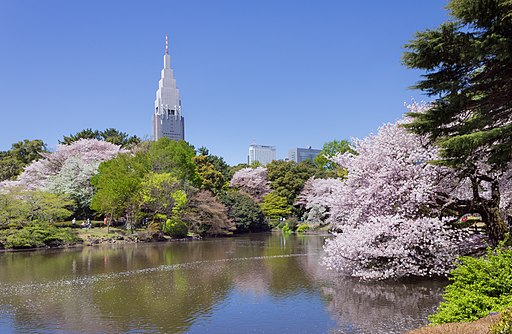
NTT Docomo Yoyogi Building
NTT Docomo Yoyogi Building – A Beacon of Technological Innovation and Architectural Excellence
The NTT Docomo Yoyogi Building stands as a modern landmark in Tokyo, representing the convergence of cutting-edge telecommunications technology and visionary architectural design. As a flagship facility for one of Japan’s leading mobile operators, the building not only provides a dynamic workspace for innovation but also reflects the company’s commitment to sustainability, connectivity, and forward-thinking corporate culture.
Historical and Corporate Background
NTT Docomo has long been at the forefront of mobile communications, pioneering technologies that have reshaped the way people connect and interact in the digital age. In line with its reputation for innovation, the decision to construct the Yoyogi Building was driven by a desire to create a physical space that embodies the spirit of modern telecommunications and technological advancement. Located in the vibrant Yoyogi district of Tokyo—a hub known for its blend of tradition and modernity—the building was conceived as more than just an office; it is a symbol of progress, a meeting point for research, development, and corporate synergy.
Architectural Design and Aesthetic Appeal
The design of the NTT Docomo Yoyogi Building is a testament to contemporary architecture. Its sleek, futuristic façade combines expansive glass surfaces with carefully placed metallic accents, creating an interplay of light and transparency that changes throughout the day. This visual dynamism not only enhances the building’s aesthetic appeal but also symbolizes the constant evolution inherent in the world of digital communication.
Key design elements include:
- Transparent Facade and Natural Light:
The extensive use of high-performance glass panels maximizes natural light, fostering an open and collaborative work environment while reducing energy consumption. - Fluid Form and Modern Silhouette:
The building’s streamlined profile and gently curving lines evoke a sense of motion and progress, echoing the rapid pace of technological advancement. - Integration with Urban Surroundings:
Positioned in the culturally rich Yoyogi area, the structure’s design respects and enhances the local urban fabric, offering panoramic views of Tokyo’s bustling cityscape and nearby green spaces.
Technical Specifications and Construction Details
The NTT Docomo Yoyogi Building is engineered with precision, incorporating advanced construction techniques and robust materials to meet the high standards required for a facility of its caliber. Some of the building’s notable technical parameters include:
- Height and Floor Count:
Rising to an impressive height of approximately 120 meters and encompassing 25 floors, the building provides ample space for a variety of functions ranging from administrative offices to specialized research labs. - Total Floor Area:
With a total floor area in the vicinity of 40,000 square meters, the layout is optimized to support a blend of open-plan workspaces, private meeting rooms, and collaborative zones that can adapt to evolving business needs. - Structural Framework:
A composite structural system, combining reinforced concrete with steel elements, ensures resilience against seismic activity—a critical consideration in Japan. This robust framework supports not only the building’s physical stability but also its long-term durability. - State-of-the-Art Infrastructure:
The facility is equipped with an advanced telecommunications backbone, featuring high-speed fiber-optic networks and smart building management systems. These systems enable seamless connectivity, real-time data monitoring, and efficient energy usage, ensuring that the building remains at the cutting edge of technology.
Sustainable and Smart Technologies
Sustainability is a core principle in the design and operation of the Yoyogi Building. The integration of eco-friendly technologies demonstrates NTT Docomo’s commitment to reducing its environmental impact while fostering an efficient and comfortable work environment.
- Energy-Efficient Design:
The building’s high-performance glazing, automated climate control systems, and energy-saving LED lighting work in concert to minimize energy consumption. Smart sensors adjust lighting and temperature based on occupancy and natural light levels, contributing to overall operational efficiency. - Renewable Energy Initiatives:
Incorporation of rooftop solar panels and other renewable energy sources helps reduce dependency on conventional power grids. These measures not only lower the building’s carbon footprint but also serve as a model for sustainable corporate practices. - Green Building Certifications:
Designed with environmental stewardship in mind, the Yoyogi Building pursues certifications that recognize its commitment to sustainability, further solidifying its status as a modern, eco-conscious facility.
Multifunctional Spaces and Modern Amenities
Beyond its striking exterior and technological prowess, the NTT Docomo Yoyogi Building is a vibrant ecosystem designed to nurture innovation and enhance the daily work experience of its occupants.
- Flexible Office Environments:
The upper floors house state-of-the-art office spaces that promote collaboration and creativity. Open-plan layouts are complemented by private zones, enabling teams to work both together and independently as needed. - Dedicated Research and Development Centers:
Specialized labs and innovation hubs within the building provide an environment where cutting-edge ideas in mobile technology and digital communications are born and nurtured. - Collaboration and Meeting Areas:
Thoughtfully designed conference rooms, breakout spaces, and communal areas foster interaction among employees, partners, and visitors. These spaces are equipped with advanced audiovisual systems to facilitate global communication and collaboration. - Amenities for Wellbeing:
Recognizing the importance of work-life balance, the building includes facilities such as a fitness center, on-site cafes, and relaxation zones. These amenities support employee wellness and contribute to a positive corporate culture.
Role in Telecommunications and Corporate Connectivity
At its core, the NTT Docomo Yoyogi Building is a physical manifestation of Japan’s leadership in telecommunications. It is designed to support the rapid pace of digital innovation that defines the industry today.
- Advanced Data Centers:
Integrated within the facility are data centers that process and manage vast amounts of information, underpinning the company’s mobile network and digital services. These centers are equipped with redundant systems and sophisticated security measures to ensure uninterrupted service. - Smart Building Management Systems:
The building employs intelligent systems to monitor everything from energy usage and environmental conditions to security and facility management. This real-time data collection and analysis allow for proactive maintenance and optimization, ensuring the building operates at peak efficiency. - Global Connectivity:
As a hub for NTT Docomo’s operations, the building connects teams across continents, facilitating seamless collaboration on a global scale. The state-of-the-art communication systems ensure that ideas and innovations flow effortlessly between headquarters, research centers, and international offices.
Impact on the Community and Urban Landscape
The influence of the Yoyogi Building extends beyond its corporate functions. As a landmark structure, it has a significant impact on the local community and the broader urban landscape of Tokyo.
- Urban Revitalization:
Situated in one of Tokyo’s most dynamic neighborhoods, the building contributes to the area’s regeneration by attracting businesses, cultural events, and tourism. Its presence enhances the local economy and reinforces Tokyo’s reputation as a center for innovation. - Cultural Engagement:
The building frequently hosts technology symposiums, art installations, and community events, creating a bridge between the corporate world and the public. These initiatives foster a sense of community and inspire future generations to explore careers in technology and design. - Sustainable Urban Development:
By integrating sustainable design principles and smart technologies, the Yoyogi Building sets a benchmark for future developments in Tokyo. Its eco-friendly features and efficient infrastructure contribute to a greener, more resilient urban environment.
Future Prospects and Continuing Legacy
The NTT Docomo Yoyogi Building is not only a celebration of current achievements in telecommunications and architecture but also a forward-looking investment in the future. As digital technologies continue to evolve, the building is designed with flexibility in mind, allowing it to adapt to emerging trends and future needs.
- Evolving Technology:
With its modular design and scalable infrastructure, the facility is well-positioned to incorporate new innovations in mobile communications, artificial intelligence, and smart building technologies. - Sustainable Enhancements:
Ongoing initiatives to improve energy efficiency and reduce environmental impact will ensure that the building remains at the forefront of sustainable corporate practices, setting an example for future developments across the globe. - Inspiring Innovation:
As a hub of creativity and technological advancement, the Yoyogi Building will continue to inspire researchers, engineers, and architects. Its role as a center for collaboration and innovation is expected to drive breakthroughs in telecommunications and digital services for years to come.
Conclusion
The NTT Docomo Yoyogi Building stands as a powerful symbol of Japan’s commitment to innovation, sustainability, and architectural excellence. Combining advanced technical infrastructure with a modern, dynamic design, the building offers a workspace that fosters creativity and collaboration while setting new standards in energy efficiency and urban connectivity. More than just a corporate headquarters, it is a landmark that bridges the gap between cutting-edge technology and everyday life—a beacon for future generations in the ever-evolving landscape of digital communication and urban development.
