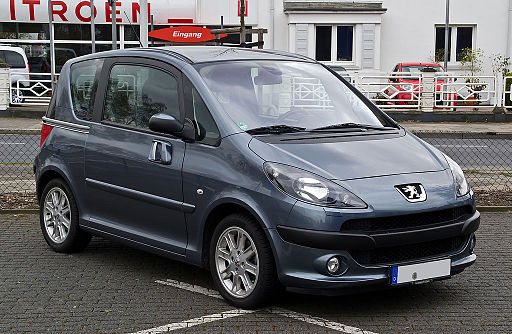
Peugeot 1007 faults
The Peugeot 1007 was designed as a small city car with a distinctive sliding door mechanism, making it stand out in the market. However, despite its innovative design, the model has been associated with various mechanical and electrical problems. Understanding these faults can help prospective buyers and current owners manage maintenance effectively.
Electrical and Control Failures
ECU Malfunctions
The Engine Control Unit (ECU) in the Peugeot 1007 has been known to fail, leading to issues such as engine misfires, stalling, and warning lights appearing unexpectedly. This can affect fuel efficiency and overall performance, requiring diagnostic checks and potential replacement.
Dashboard Display Issues
Owners have reported instrument cluster failures, where the dashboard display flickers or stops working entirely. This can make it difficult to monitor speed, fuel levels, and warning indicators, leading to potential safety concerns.
Central Locking Problems
The central locking system is prone to malfunctions due to faulty actuators or key fob issues. This can prevent doors from locking or unlocking properly, reducing vehicle security.
Transmission and Gearbox Faults
Gearbox Hesitation
The 2-Tronic gearbox in the Peugeot 1007 has been reported to experience hesitation or jerky shifting. This is often linked to actuator faults or software glitches, resulting in unpredictable performance and discomfort while driving.
Clutch Wear
Premature clutch wear is another common issue, particularly in models with automated manual transmissions. This can lead to slipping gears and difficulty engaging the clutch, requiring early replacement.
Sliding Door Mechanism Issues
Electric Sliding Door Failure
One of the most distinctive features of the Peugeot 1007 is its electric sliding doors, but they are also one of its most problematic components. Owners frequently report failures due to faulty motors or wiring issues, leading to doors not opening or closing properly. This can pose both safety and convenience concerns.
Door Locking Mechanism Faults
The door locking system can sometimes fail, preventing the doors from securing properly. This issue is often linked to electrical faults or worn-out locking components.
Suspension and Steering Problems
Suspension Creaking or Knocking
Worn-out bushings or strut mounts can cause creaking or knocking noises from the suspension, especially when driving over bumps. This affects ride comfort and handling stability.
Power Steering Loss
Intermittent or complete power steering failure has been reported, often due to an electric motor or sensor fault. This can make steering feel heavy and unsafe, particularly at lower speeds or during parking.
Additional Mechanical Issues
Starter Motor Failure
Some Peugeot 1007 models experience starter motor issues, where the engine struggles to start or produces a clicking noise when turning the key. This is often due to wear over time or electrical faults within the motor circuit.
Battery Drain
Unexplained battery drain is another common issue, often caused by faulty sensors or electrical components that fail to shut down properly when the vehicle is turned off. Regular diagnostics can help identify and resolve this problem.
Conclusion
While the Peugeot 1007 offers a unique design and practical city-driving features, it comes with several known faults that owners should be prepared for. Regular maintenance and timely repairs can help mitigate these issues and ensure a smoother driving experience. If you’re considering purchasing a used Peugeot 1007, checking its service history and inspecting key components like the sliding doors, gearbox, and electrical systems is highly recommended.
Peugeot 1007 as a used car
The Peugeot 1007 is a distinctive model produced between 2005 and 2009 that stands out for its innovative design and compact urban appeal. As a used car, its unique sliding door mechanism, efficient engine options, and agile dimensions make it attractive for city driving and short journeys. However, as with any pre-owned vehicle, understanding its technical parameters, performance metrics, and maintenance requirements is essential. This article provides a comprehensive overview of the Peugeot 1007’s specifications to help prospective buyers evaluate whether this compact car suits their needs.
Technical Specifications Overview
The Peugeot 1007 offers a blend of practicality and novelty that was ahead of its time. When browsing the used car market, prospective buyers will encounter several engine variants and equipment levels. Below is an overview of the key technical data that defines this model.
Dimensions and Body Structure
The Peugeot 1007 was designed as a compact city minivan with practicality in mind. Its dimensions illustrate its focus on agility while still offering a surprisingly flexible interior:
- Length: Approximately 3731 mm
- Width: 1686 mm
- Height: 1620 mm
- Wheelbase: 2315 mm
These dimensions provide a vehicle that is nimble for urban maneuvering, making it perfect for congested city streets while its compact size does not compromise interior space.
Engine Options and Fuel Types
The backbone of the Peugeot 1007’s performance is its range of efficient engines. Buyers will find options that balance modest power with economical running costs:
- Power Output: Engine options vary from 70 horsepower in the 1.4 HDi variant to 110 horsepower in the more robust petrol or diesel configurations.
- Engine Displacement: Typically around 1398 cm³ for many of the offered engines.
- Fuel Systems: Diesel models employ a common-rail injection system combined with turbocharging and intercooling, while petrol options emphasize smooth power delivery for urban environments.
- Fuel Consumption: According to NEDC standards, the Peugeot 1007 delivers an urban consumption of approximately 5.8 l/100 km, extra-urban consumption around 4.1 l/100 km, and a combined figure of about 4.7 l/100 km. This yields relatively low CO₂ emissions near 124 g/km in many variants, making the model attractive for eco-conscious drivers.
Performance Metrics
Despite its compact dimensions, the Peugeot 1007 is engineered for reliable daily performance:
- Top Speed: Models are engineered to reach speeds of around 160 km/h, an adequate figure for urban and suburban driving.
- Acceleration: The 0–100 km/h time is typically around 15.4 seconds, reflecting a balance between fuel economy and modest power delivery.
- Drive Configuration: With front-wheel drive as the standard, the vehicle offers predictable handling characteristics that suit both city navigation and light highway use.
Engine and Performance Details
Understanding the engine characteristics and performance metrics is essential for evaluating a used Peugeot 1007.
Diesel and Petrol Engine Characteristics
The Peugeot 1007 is available in both diesel and petrol versions, each with its own set of benefits:
- Diesel Variants: Equipped with a turbocharged engine that uses a common-rail fuel injection system, these models are built for efficiency. The turbocharging and intercooling help boost low-end torque, making the diesel variant particularly effective in stop-and-go traffic. Regular maintenance of the diesel particulate filter and fuel injectors is key to sustaining performance.
- Petrol Variants: Petrol models of the 1007 are designed for a slightly more responsive and refined driving experience compared to their diesel counterparts. With a focus on smooth power output, these engines are well-suited for drivers who prioritize a more traditional petrol performance profile in urban settings.
Cooling and Lubrication
Engine reliability in any used car is critically dependent on proper maintenance of cooling and lubrication systems:
- Coolant and Oil Capacities: The engine’s cooling system typically holds around 5.6 liters of coolant, while the oil capacity is approximately 3.75 liters, ensuring that these systems can efficiently dissipate heat and reduce friction under normal driving conditions.
- Regular Maintenance Requirements: Prospective buyers should look for evidence of routine service, such as timely oil changes and coolant flushes, as this helps extend engine life and maintain performance.
Transmission, Chassis, and Suspension
A smooth transmission and a well-tuned chassis are crucial for a relaxed driving experience in a used car.
Transmission Options
The Peugeot 1007 is equipped with varied transmission systems that cater to different driving preferences:
- 2-Tronic Automated Manual: Many variants come fitted with the 2-Tronic gearbox designed to combine the control of a manual transmission with the convenience of an automatic. This system is innovative, though buyers should be aware of potential hesitation or minor glitches in gear shifts.
- Manual Transmission: Some models offer a conventional manual gearbox that enthusiasts appreciate for its engaging driving experience. A thorough check of clutch performance and gearbox response is recommended when assessing a used model.
Chassis and Suspension Setup
The driving dynamics of the Peugeot 1007 are influenced by its chassis and suspension design:
- Chassis Construction: The 1007 features a lightweight structure that aids in urban agility, balancing comfort and handling. Its compact frame is well-suited for tight city roads.
- Suspension Components: The car employs a McPherson front suspension paired with a coil-spring setup at the rear. Together, these components provide a comfortable ride while ensuring that the car remains stable over uneven surfaces.
- Handling Aspects: A well-maintained steering system, typically an electric power-assisted rack-and-pinion, contributes to responsive handling. Prospective buyers should test drive the vehicle to ensure that the steering reaction and overall suspension performance are up to expectations.
Interior, Technology, and Practical Features
Despite its compact exterior, the Peugeot 1007 offers a surprisingly versatile and practical interior, a key selling point that sets it apart as a used car.
Cabin Layout and Seating
- Seating Capacity: Typically configured as a small city car, the Peugeot 1007 offers seating for four occupants. The interior is designed to maximize space utilization despite the overall compact dimensions.
- Dashboard and Controls: The cockpit features a driver-focused layout with clearly marked instrument clusters, intuitive controls, and a simple, uncluttered design that emphasizes functionality. In higher trim levels, features such as air conditioning controls and basic infotainment units add to the driving comfort.
Cargo and Storage Space
- Boot Capacity: Although the Peugeot 1007 is primarily designed for urban mobility, it offers a fair amount of cargo space for its class. The vehicle’s hatchback design allows for easy access to the rear storage area, making it suitable for everyday errands and light luggage-carrying needs.
- Versatility: The sliding door mechanism—one of the car’s most distinguishing features—enhances accessibility in tight parking spaces. However, the mechanism’s reliability should be verified during a pre-purchase inspection.
Infotainment and Connectivity
- Standard Features: Basic models come equipped with an audio system, while more advanced versions may include touchscreen interfaces, Bluetooth connectivity, and integrated vehicle information systems. These features, though not cutting-edge by modern standards, provide essential connectivity for daily driving.
- Electrical Systems: Given the car’s production era, the electrical components are relatively straightforward. Prospective buyers should check for proper functioning of all electronic controls and infotainment features as part of the routine inspection.
Ownership Considerations and Maintenance Tips
Owning a used Peugeot 1007 can be an economical choice when the vehicle is well-maintained and suited to urban lifestyles.
Service History and Maintenance Records
- Full Service Documentation: A complete service history is crucial when evaluating any used car. Look for consistent oil changes, timely parts replacements, and any records of repairs related to the sliding door mechanism or transmission.
- Known Wear Areas: Buyers should be attentive to components particularly susceptible to wear in a compact car, such as the brakes, suspension bushings, and door mechanisms. An experienced mechanic will be able to identify these areas during a thorough pre-purchase inspection.
Cost of Ownership
- Insurance and Tax: The Peugeot 1007’s compact size and moderate performance figures tend to result in favorable insurance premiums and relatively low road taxes. However, exact figures will vary based on regional factors and driver history.
- Fuel Efficiency Benefits: The efficient engine options and low fuel consumption figures mean that operating costs are generally lower compared to larger, less efficient vehicles.
Conclusion
The Peugeot 1007 presents a compelling option for used car buyers looking for a compact, city-friendly vehicle with a distinctive design. Its technical parameters—ranging from agile dimensions and efficient engine options to a well-balanced transmission and suspension setup—make it an attractive choice for urban commuting. Prospective buyers should ensure that they review the service history thoroughly and conduct a proper mechanical inspection to verify that key components are in good working order. Engaging with owner forums and seeking test drives can further enhance your understanding of the car’s real-world performance and reliability.
