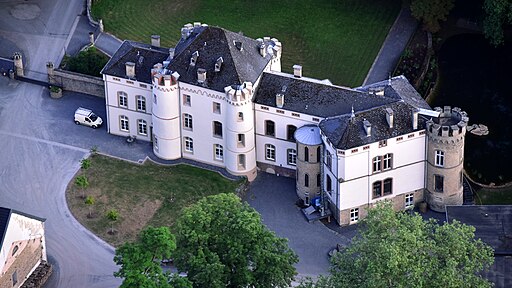
The Noble Heritage of Schloss Kewenig: A Hidden Gem of the Eifel
Schloss Kewenig, nestled in the tranquil landscape of the Eifel region in western Germany, stands as a refined example of aristocratic architecture and regional history. Though not as widely known as the great palaces of the Rhineland, Schloss Kewenig encapsulates the elegance, power, and transformation of rural nobility from the late Middle Ages through modern times. Surrounded by gentle hills, meadows, and ancient woodland, the estate reflects centuries of social, architectural, and cultural evolution—an enduring link between feudal tradition and modern preservation.
Origins and Early History
The origins of Schloss Kewenig trace back to the late medieval period, when the Kewenig family emerged as a local noble lineage within the Duchy of Luxembourg and adjacent territories of the Eifel. The family name “Kewenig” is deeply intertwined with the land itself, suggesting both noble heritage and territorial continuity. Early records point to the existence of fortified manorial structures on the site as early as the 13th or 14th century.
At that time, the Eifel region was characterized by small lordships and ecclesiastical domains. Noble families maintained fortified houses—Burgs or Schlösser—to assert control over agricultural estates, manage local justice, and provide security in an era marked by feudal conflicts and shifting alliances. The Kewenig estate would have served as both a defensive residence and an administrative hub for the surrounding lands, offering protection and governance to its dependents.
Transition from Fortress to Residence
As the late Middle Ages gave way to the Renaissance, the character of many noble residences in the region began to change. Military necessity diminished, and architectural tastes evolved toward comfort and display of social status. Schloss Kewenig followed this pattern, transforming from a fortified manor into an elegant country residence.
Stone replaced timber, and the layout of the estate was redesigned to emphasize symmetry, domesticity, and landscaped surroundings. The main building featured thick masonry walls, a slate roof typical of the Eifel, and decorative elements reflecting early modern influences. Windows were enlarged to allow light into the once-defensive halls, and interior spaces were adapted for courtly living—banquet rooms, chapels, and formal salons replacing the austere halls of earlier centuries.
The Kewenig Family and Their Lineage
The Kewenig family, long associated with the region, exemplified the persistence of local nobility through turbulent centuries. Like many noble houses of the Rhineland, they navigated the complexities of feudal service, ecclesiastical politics, and territorial change. Members of the family held administrative and military posts under successive overlords—ranging from the Electorate of Trier to the Duchy of Luxembourg.
Schloss Kewenig served as both ancestral home and symbol of continuity. The family’s coat of arms adorned entrances and fireplaces, affirming their presence and prestige. Throughout the early modern period, the Kewenigs maintained influence not through vast estates or military might, but through their role as regional administrators, patrons of local churches, and stewards of agricultural innovation.
Architectural Character and Design Elements
The architecture of Schloss Kewenig reflects a blend of medieval and early modern traditions. The main residential building, rectangular in plan, features a compact layout around a central courtyard. Outbuildings such as stables, granaries, and workshops flank the estate, creating a cohesive ensemble typical of noble manors in the Eifel.
The façade of the castle displays restrained elegance: rough-hewn stone walls softened by arched windows and decorative lintels. The roof, steep and dark with local slate, echoes the vernacular architecture of the region while asserting noble dignity. A small tower or turret—possibly a remnant of earlier fortifications—adds vertical emphasis, reminding visitors of the estate’s defensive past.
Inside, wooden beams, stone fireplaces, and plastered vaults create an atmosphere of rustic nobility. Although the interiors have been modified over the centuries, they preserve traces of the estate’s layered history: from medieval austerity to Baroque refinement and nineteenth-century romantic restoration.
Political Upheaval and the Napoleonic Era
The French Revolutionary Wars and subsequent Napoleonic occupation brought dramatic changes to the nobility of the Rhineland. Many feudal privileges were abolished, ecclesiastical lands were secularized, and noble families were forced to adapt to new political realities. The Kewenig family, like others of their rank, faced both loss and reinvention during this period.
Schloss Kewenig survived these transitions, though it likely experienced confiscations or administrative reassignments. By the early nineteenth century, the estate had transformed from a feudal center into a private residence and agricultural estate. Its fields continued to produce grain, wine, and livestock—now under the management of a family adapting to a modern world.
The 19th and 20th Centuries: Preservation and Renewal
The nineteenth century saw renewed interest in historical architecture, and Schloss Kewenig benefited from this cultural revival. Romanticism, with its fascination for medieval ruins and noble heritage, inspired minor restorations that sought to preserve the estate’s historic charm while accommodating modern comfort.
The twentieth century brought both challenges and revitalization. The wars of the 1900s threatened many rural estates, yet Schloss Kewenig endured—protected by its relative isolation and the care of its owners. After the Second World War, as Germany underwent reconstruction, attention turned toward heritage conservation. Schloss Kewenig, with its deep local roots, became recognized as a site of cultural and historical value.
Efforts to stabilize the structure, restore original features, and maintain its surrounding landscape have continued into the present. Today, the estate represents not only an architectural landmark but also a living link to centuries of regional history.
The Surrounding Landscape and Cultural Context
Schloss Kewenig stands within the lush natural beauty of the southern Eifel, a region known for its forests, volcanic soil, and tranquil villages. The estate’s setting underscores its dual role as both residence and agricultural center. Rolling meadows once cultivated by serfs or tenant farmers now form part of the scenic panorama that attracts visitors and historians alike.
Nearby chapels, mills, and hamlets reveal the integrated life of the medieval estate—where noble, ecclesiastical, and peasant communities coexisted within a single social ecosystem. The castle’s proximity to trade routes linking the Moselle and the Rhine ensured its connection to broader economic and cultural currents, even as it maintained its rural seclusion.
Modern Role and Preservation Efforts
In recent decades, Schloss Kewenig has drawn renewed interest from historians, architects, and cultural heritage organizations. Conservation projects aim to protect the remaining structures and landscapes while ensuring that the site remains accessible and relevant.
The estate today may serve a variety of roles—part private residence, part cultural venue, and part historical monument. Its preservation reflects a broader European commitment to safeguarding rural heritage and architectural continuity. Local authorities, heritage foundations, and academic institutions have contributed to documentation, restoration planning, and community engagement initiatives centered around the castle.
Symbolism and Historical Meaning
Beyond its architectural and genealogical importance, Schloss Kewenig stands as a symbol of endurance. It represents how local nobility—often overshadowed by the great dynasties of Europe—sustained cultural identity and regional governance through centuries of upheaval. The castle’s modest scale and rural setting make it an authentic reflection of everyday aristocratic life, distinct from the grandiose palaces of urban centers.
Its weathered walls tell a story of adaptation: from medieval defense to Renaissance refinement, through war, decline, and renewal. As such, Schloss Kewenig embodies the broader narrative of the Rhineland’s transformation—where history, landscape, and architecture intertwine in enduring harmony.
Conclusion
Schloss Kewenig is more than a building—it is a living testament to the continuity of place, lineage, and culture. Rooted in the medieval soil of the Eifel and shaped by centuries of social evolution, it captures the spirit of a region that has balanced change with preservation.
Today, as the sun sets over its slate roofs and stone façades, Schloss Kewenig continues to whisper the stories of its past—of knights and stewards, farmers and builders, and the enduring rhythm of life in the heart of the Rhineland. Its legacy stands not in grandeur, but in authenticity: a reminder that history’s true beauty often resides in the quiet persistence of the local and the enduring strength of the land itself.
