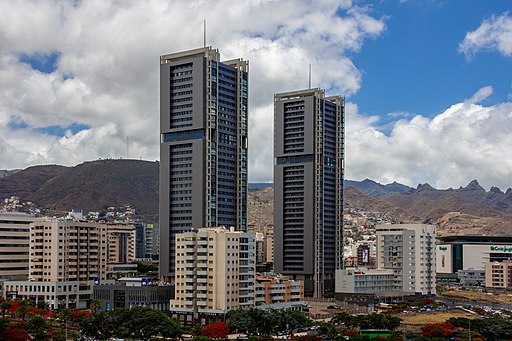
Torres de Santa Cruz
Torres de Santa Cruz: A Historic Landmark in Santa Cruz de Tenerife
The Torres de Santa Cruz (Santa Cruz Towers) are two iconic skyscrapers that stand as a symbol of modernity and development in the heart of Santa Cruz de Tenerife, the capital city of the Canary Islands, Spain. These twin towers, located in the city’s commercial and financial district, are among the most recognizable landmarks in the city, offering a blend of architectural beauty, functional space, and significant cultural and economic importance.
With their sleek designs, the Torres de Santa Cruz represent both the contemporary urban landscape of the Canary Islands and a nod to the city’s growth and aspirations. While they may be part of the modern skyline today, their history is intertwined with the broader development of Santa Cruz de Tenerife itself, a city with deep historical roots and a growing role in the international business and tourist industries.
A Glimpse into the History and Construction
The construction of the Torres de Santa Cruz began in the early 2000s, a period during which the city of Santa Cruz was undergoing significant urban transformation. The towers were part of an ambitious initiative to revitalize the area and turn the city into a thriving center for business, culture, and tourism. At the time, the city sought to modernize its infrastructure and make it a competitive player in both Spanish and international markets. The vision for the Torres de Santa Cruz was to create a landmark that would reflect this ambition, and at the same time, symbolize Santa Cruz de Tenerife’s potential for future growth.
The towers were designed by the renowned architect Luis M. Carvajal, whose design was chosen following a competitive tender process. The resulting structure incorporates a distinctive postmodern style, combining sleek, glass-clad facades with elegant curves and sharp angles. The design of the towers was conceived with the aim of maximizing natural light and providing breathtaking views of the surrounding area, including the port of Santa Cruz and the Teide National Park, home to the tallest mountain in Spain, Mount Teide.
The towers’ construction was not without challenges. The project was ambitious in scope, with a target of creating a structure that could both serve as an office complex and a symbol of Santa Cruz de Tenerife’s modern identity. The project was completed after several years of work, with the towers officially opening their doors in the mid-2000s.
Architectural Design and Features
The Torres de Santa Cruz consist of two twin towers, each standing tall at 120 meters (394 feet) with a total of 25 floors. The towers are primarily constructed from steel, glass, and concrete, materials that are both durable and visually striking. The towers are designed to offer a mixture of office space, commercial areas, and public amenities, making them highly functional while also aesthetically pleasing.
- Glass Facade: One of the most notable features of the Torres de Santa Cruz is their glass facades, which give the towers a reflective, modern appearance. The use of glass allows for stunning panoramic views of the surrounding city and coastline. During the day, the glass reflects the bright sunshine of Tenerife, creating a shimmering effect, while at night, the towers are illuminated, adding to the city’s vibrant nightlife atmosphere.
- Curved and Angular Design: The towers feature a combination of curved and angular elements, a hallmark of postmodern architectural design. The curving edges of the towers give them a sense of fluidity, contrasting with the more rigid lines and angular features that accentuate the modernity of the buildings. This fusion of organic curves and geometric shapes gives the Torres de Santa Cruz their distinctive and memorable look.
- Sky Gardens: At the top of each tower are sky gardens that offer a green space for workers and visitors. These rooftop gardens provide a tranquil escape from the bustling city below, with lush plants and panoramic views of the surrounding area, including the port, city center, and the dramatic backdrop of the Teide mountain.
- Interior Design: The interior of the Torres de Santa Cruz is equally impressive. The office floors are designed to maximize flexibility, with open-plan spaces that can be customized for various corporate needs. High-speed elevators whisk occupants and visitors to their desired floors, while the interiors of the buildings are equipped with state-of-the-art technology, ensuring that the towers meet the demands of modern businesses.
- Environmental Considerations: The design of the Torres de Santa Cruz was also mindful of environmental factors. The buildings incorporate sustainable features such as energy-efficient systems, natural light optimization, and green roofs. These elements help reduce the buildings’ environmental footprint, making them a part of Santa Cruz de Tenerife’s broader efforts toward urban sustainability.
Function and Usage
The Torres de Santa Cruz serve a variety of functions within the city, playing an important role in the urban economy. As an office complex, the towers are home to numerous businesses, ranging from multinational corporations to local startups. The prime location of the towers, in the commercial heart of the city, makes them an attractive choice for companies seeking a prominent address in Santa Cruz de Tenerife.
Additionally, the towers provide essential services and commercial space. The lower levels of the buildings house retail and dining establishments, offering everything from shops to cafes. This mix of commercial and business spaces ensures that the Torres de Santa Cruz is not only a place for work but also a vibrant, dynamic environment where people can shop, eat, and relax.
One of the key features of the towers is the ability to house corporate offices while also offering meeting rooms, conference spaces, and event areas. This makes the Torres de Santa Cruz an ideal venue for both business and social events. The buildings have also become a hub for international conferences, trade exhibitions, and networking events, helping to bolster Santa Cruz de Tenerife’s reputation as a business-friendly city.
Cultural and Symbolic Importance
While the Torres de Santa Cruz are undeniably modern in design, they also carry cultural significance for the city. These towers are a visual representation of the city’s ambition to blend tradition with innovation. Santa Cruz de Tenerife has a long history, rich in culture and heritage, and the Torres de Santa Cruz embody the city’s forward-looking attitude while respecting the cultural legacy of the Canary Islands.
The towers have become a symbol of the city’s growth and development. Their towering presence in the skyline serves as a constant reminder of the ambition and success of the region. The Maritime Park of Santa Cruz, located nearby, and the Avenida de Anaga, where the towers are situated, all contribute to the modern cityscape in which the towers have become a focal point.
The Torres de Santa Cruz are also seen as an architectural icon. They stand as a testament to the city’s evolution from a historic colonial port town to a modern, bustling metropolitan area. Over the years, they have come to represent the island’s role as an international hub for business, tourism, and culture.
Tourism and Public Interest
While the Torres de Santa Cruz are primarily functional buildings, they have also become a point of interest for tourists visiting Santa Cruz de Tenerife. The towers’ striking design, combined with their central location, makes them a popular stop for those exploring the city’s architecture and urban landscape. Visitors can admire the towers from the city’s plazas or along the nearby coast, and the elevated views from the rooftop gardens offer an impressive panorama of the city and its surroundings.
The towers also contribute to the city’s broader tourism strategy. Santa Cruz de Tenerife is a popular destination for both cultural and business tourism, and the Torres de Santa Cruz help enhance the city’s profile on the global stage. The buildings host various events, including exhibitions, gala dinners, and other public functions, which further attract visitors to the area.
Additionally, the towers are regularly featured in photography and promotional materials showcasing the city’s modern identity, and they provide a contemporary counterpoint to the historical architecture found in other parts of Santa Cruz de Tenerife.
Conclusion
The Torres de Santa Cruz are a testament to the architectural vision and ambition of Santa Cruz de Tenerife. As two of the tallest buildings in the Canary Islands, they represent the city’s modern identity and its commitment to growth, sustainability, and global connectivity. The towers’ innovative design, coupled with their functionality as a business and commercial center, makes them an integral part of the city’s landscape.
Whether viewed as a landmark of business success, a symbol of cultural evolution, or simply as an architectural marvel, the Torres de Santa Cruz are undeniably a defining feature of the city’s skyline. As Santa Cruz continues to grow and evolve, these towers will remain a central point of pride, both for the city’s residents and visitors alike.
