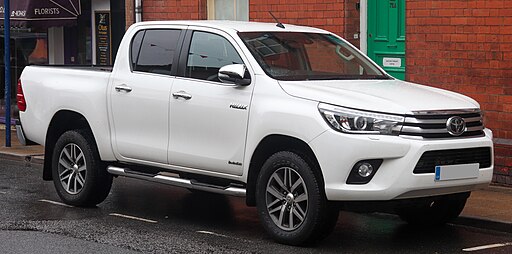
Toyota Hilux faults
Below is an organized rundown of recurring issues across various Hilux generations. Each section highlights symptoms, typical causes, and suggested fixes.
Engine and Fuel System
Turbocharger and Intercooler Leaks
Owners often notice reduced power, black exhaust smoke or a high-pitched whistle under boost. These symptoms usually stem from split boost pipes, a torn intercooler hose or a failing wastegate actuator.
- Symptoms: loss of boost, black smoke, whistling noise
- Causes: brittle hoses, worn actuator diaphragm, oil-starved bearings
- Fixes: replace cracked hoses, rebuild or fit a new turbo actuator, inspect intercooler integrity
Injector Seal Leaks and Misfires
On common-rail diesels (1KD-FTV, 2KD-FTV, 1GD-FTV), degraded injector O-rings allow fuel to seep into coolant passages or combustion chambers. This manifests as hard starting, rough idle and white smoke.
- Symptoms: white/grey smoke, hard cold starts, rough running
- Causes: brittle injector seals, high-pressure rail fatigue
- Fixes: replace injector seal kits or remanufactured injectors, pressure-test fuel rail
Overheating and Cracked Cylinder Heads
Early 2.4 L and 3.0 L diesels suffer from plastic water-pump housings and ageing thermostat covers that crack and leak coolant. Left unchecked, this leads to head gasket failure or warped heads.
- Symptoms: rising temp gauge, coolant loss, milky oil
- Causes: cracked housings, brittle radiator end-tanks, failed thermostat
- Fixes: full cooling-system overhaul (new pump, thermostat, hoses), inspect and machine or replace the cylinder head
Transmission and Drivetrain
Manual Gearbox Synchro Wear
High-mile 5-speed manuals can develop crunchy shifts in 2nd/3rd and resistance engaging 5th gear. Worn brass synchros and splines fail to synchronize gear speeds.
- Symptoms: grinding noise, gear popping out, stiff shifts
- Causes: worn synchro rings, misaligned shift forks
- Fixes: rebuild gearbox with fresh synchro kits, realign forks
Automatic Transmission Slippage and Shudder
Four- and five-speed automatics on older Hiluxes may slip under acceleration or shudder between shifts. Contaminated fluid and clogged filters accelerate clutch-pack wear.
- Symptoms: delayed engagement, slipping under load, vibration during shifts
- Causes: dirty ATF, blocked filter, worn clutch packs
- Fixes: ATF and filter change every 60 000 km, valve-body rebuild if severe
Electrical and Starting
Glow Plug and Relay Failures
In colder climates, failing glow plugs or relays lead to excessive cranking, white exhaust smoke and glow-plug warning lights.
- Symptoms: long cranks, white smoke, dash warning
- Causes: carboned-up glow elements, worn relay contacts
- Fixes: replace glow plugs in complete sets, swap relays, inspect wiring harness
Starter Motor and Battery Terminal Corrosion
“No-crank” conditions—only a click when turning the key—often result from worn starter brushes or corroded battery posts. On some facelift models, poor terminal contact also affects electric power steering.
- Symptoms: single click, intermittent starts, EPS faults
- Causes: worn starter solenoid, corroded battery terminals
- Fixes: renew starter assembly or solenoid, clean/replace battery terminals
Suspension, Steering and Brakes
Front Strut Mount and Ball-Joint Wear
After 150 000–200 000 km, strut-top bearings and lower ball joints can split or loosen, causing clunks over bumps and vague steering.
- Symptoms: knocking noise, steering wander, uneven tyre wear
- Causes: rubber bearing tear, worn taper fits
- Fixes: fit upgraded strut mounts, replace ball joints, four-wheel alignment
Rear Leaf-Spring Sag and Cracking
Heavy use can fatigue rear leaf packs, resulting in a lower ride height, harsh ride and axle tramp.
- Symptoms: drooping rear end, harsh rebound, axle hop under load
- Causes: fatigued leaf springs, corroded spring leaves
- Fixes: replace leaf-spring assemblies, add helper springs or new bushings
ABS Sensor and Tone-Ring Corrosion
Off-road use and salted roads contaminate wheel-speed sensors or erode tone rings, triggering ABS/traction warnings.
- Symptoms: ABS warning lamp, pulsing brake pedal, erratic traction control
- Causes: mud/debris build-up, rusted rings
- Fixes: clean sensor faces and rings, fit new sensors if damaged
Body, Corrosion and Interior
Chassis and Wheel-Arch Rust
Older Hilux frames and arches often develop bubbling paint and perforations where underseal failed.
- Symptoms: visible rust bubbles, holes in wheel arches, underbody scale
- Causes: thin factory underseal, trapped moisture
- Fixes: cut out rusted sections, treat with zinc primer, seam-seal and re-undercoat
Sliding-Door Roller Wear
Constant door use wears nylon rollers and steel tracks, making the side door stick or squeak.
- Symptoms: stiff door operation, misalignment, rattles
- Causes: worn trolley wheels, corroded track
- Fixes: replace rollers, realign tracks, lubricate with specialist grease
HVAC Blower-Motor Resistor Burnout
Blower fans may only run on high or not at all when the resistor pack overheats and fails.
- Symptoms: limited fan speeds, no airflow on low settings
- Causes: overheated resistor elements, carbon build-up
- Fixes: replace resistor pack or entire blower assembly, fit new cabin-air filter
Toyota Hilux as a used car
Why Choose a Used Toyota Hilux?
The Toyota Hilux has built its reputation on rock-solid reliability, off-road capability and strong resale values. As a used choice, it delivers proven mechanical durability and a wide dealer network for parts and servicing. Owners praise its ability to absorb hard work and daily driving with minimal fuss.
Whether you need a workhorse for construction sites or a weekend adventurer, the Hilux’s combination of rugged chassis and versatile configurations makes it a top pick in the pickup segment. Its long production run means there are abundant examples on the market across multiple budgets and specifications.
Hilux Generations and Key Model Years
Fifth Generation (2005–2015)
Launched in 2005, the fifth-generation Hilux introduced coil-spring front suspension for improved ride comfort. Diesel variants received refined common-rail engines, while safety kit expanded to include optional stability control from 2008 onwards. Look for facelifts in 2011 that brought sharper styling and upgraded interiors.
Sixth Generation (2015–Present)
Debuting in 2015, the current Hilux features a stiffer ladder-frame, revised suspension tuning and more powerful engines. Toyota added advanced safety systems such as autonomous emergency braking and lane-departure alerts by 2018. In 2020, a mild-hybrid system was introduced on select diesel models to enhance low-rpm response and fuel efficiency.
Engine Options and Performance
Petrol and Diesel Lineup
- 2.7-Litre Four-Cylinder Petrol Power: 164 hp @ 5 200 rpm Torque: 246 Nm @ 4 000 rpm Transmission: 5-speed manual or 4-speed automatic
- 4.0-Litre V6 Petrol Power: 238 hp @ 5 200 rpm Torque: 376 Nm @ 3 800 rpm Transmission: 5-speed automatic
- 2.4-Litre Four-Cylinder Diesel (1GD-FTV) Power: 150 hp @ 3 400 rpm Torque: 400 Nm @ 1 600–2 000 rpm Transmission: 6-speed manual or 6-speed automatic
- 2.8-Litre Four-Cylinder Diesel (1GD-FTV) Power: 177 hp @ 3 400 rpm Torque: 450 Nm @ 1 600–2 400 rpm Transmission: 6-speed manual or 6-speed automatic
Performance Highlights
Diesel variants excel with strong low-end torque for towing and off-road traction. Petrol V6 models offer smoother power delivery and quieter operation but consume more fuel. The mild-hybrid system on recent diesels cuts turbo lag and improves around-town economy by roughly 5 percent.
Technical Specifications at a Glance
| Specification | 2.7 L Petrol | 4.0 L V6 Petrol | 2.4 L Diesel | 2.8 L Diesel |
|---|---|---|---|---|
| Displacement (cm³) | 2 694 | 4 000 | 2 393 | 2 755 |
| Maximum Power (hp) | 164 @ 5 200 rpm | 238 @ 5 200 rpm | 150 @ 3 400 rpm | 177 @ 3 400 rpm |
| Maximum Torque (Nm) | 246 @ 4 000 rpm | 376 @ 3 800 rpm | 400 @ 1 600–2 000 rpm | 450 @ 1 600–2 400 rpm |
| Fuel Consumption (L/100 km) | 8.5 combined | 11.5 combined | 7.8 combined | 7.5 combined |
| Towing Capacity (kg) | 2 800 | 2 700 | 3 500 | 3 500 |
| Payload (kg) | 1 000 | 1 020 | 1 100 | 1 050 |
Chassis, Dimensions and Off-Road Capability
Ladder-Frame and Suspension
The Hilux’s ladder-frame chassis uses high-tensile steel for torsional stiffness and payload strength. Front suspension varies by generation: earlier models feature dual-link coil springs, while older versions use torsion-bar setups. Rear leaf springs ensure heavy-load capacity and rugged durability.
Key Dimensions
- Wheelbase: 3 085 mm (double-cab variants)
- Overall Length: 5 325 mm
- Ground Clearance: 283 mm (standard ride height)
- Approach/Departure Angles: 29° / 25°
These figures enable confident navigation of steep terrain, shallow streams and uneven trails.
Interior Features and Trim Levels
Comfort and Connectivity
Modern Hilux cabins blend functionality with convenience. Standard features on higher grades include touchscreen infotainment with Apple CarPlay/Android Auto, multi-zone climate control and leather upholstery. Entry-level work trucks retain vinyl seats and a basic stereo but gain durable plastics and straightforward controls.
Safety and Driver Aids
From 2018 onward, Toyota Safety Sense became optional or standard on most trims. Features may include autonomous emergency braking, lane-departure alert, adaptive cruise control and blind-spot monitoring. Older models rely on ABS with EBD and dual-stage airbags for occupant protection.
Reliability, Common Weaknesses and Durability
Proven Strengths
The Hilux’s diesel engines are renowned for clocking 500 000 km with minimal major repairs when serviced on time. Transmission components typically outlast those in lighter pickups, thanks to robust clutch packs and synchroniser rings.
Areas to Inspect
- Cooling-system plumbing: plastic housings can crack after 150 000 km
- Turbocharger hoses: brittle boost pipes may split, causing power loss
- Suspension bushes: front control-arm bushes may require replacement in high-mileage examples
Addressing these items early keeps running costs predictable.
Pre-Purchase Checklist
- Verify complete service history and documented timing-belt or chain changes.
- Inspect for frame or underbody rust, especially on models used in salted-road regions.
- Test for smooth gear changes in manual and automatic transmissions.
- Check for turbo lag or boost leaks by watching the boost gauge under acceleration.
- Confirm electronics: touchscreen, cameras and driver-assist systems operate correctly.
Ownership Costs and Depreciation
Hilux values hold up strongly, with used units typically retaining 60–70 percent of their new price after three years. Scheduled maintenance intervals fall around 10 000–15 000 km, with diesel oil-and-filter services costing between 200 and 350 EUR. Replacement parts are widely available and competitively priced through Toyota dealers and aftermarket suppliers.
Conclusion
Choosing a used Toyota Hilux means investing in a pickup with legendary toughness, flexible configurations and solid resale value. By understanding its technical specifications, inspecting known wear points and following a thorough pre-purchase checklist, buyers can secure a Hilux that provides years of reliable service on road and off. Whether you need a daily driver, workmate or trail conqueror, the Hilux remains a benchmark in the used-truck market.
