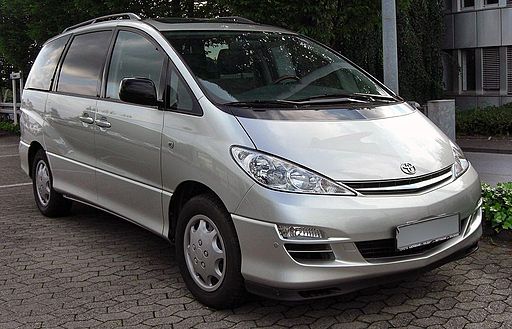
Toyota Previa faults
Engine and Cooling System
- Engine stalling when warm, often caused by a faulty fuel safety cut-off system or clogged injectors, leading to rough idle and unexpected shutdowns.
- Overheating due to failing thermostats, water pumps or radiator leaks; neglected cooling components can result in head gasket failure, white smoke and coolant loss.
Transmission and Drivetrain
- Automatic transmission slipping and jerky shifts, typically from worn clutch plates, low fluid or degraded valve bodies; manifests as delayed engagement and power loss.
Electrical and Sensors
- AC compressor seizure causing complete loss of cabin cooling; compressor bearings can lock up and overload the drive belt.
- Faulty oxygen (O₂) sensors trigger check-engine lights, rough running and poor fuel economy; replacement usually restores smooth combustion and emissions compliance.
- Ignition switch failures leading to sudden stalls or no-start conditions when contacts wear or internal springs weaken.
Steering and Suspension
- Power steering fluid leaks from brittle hoses or worn rack seals, resulting in heavy, noisy steering and potential pump damage if left unaddressed.
- Rear suspension clunks and squeaks caused by worn shock absorbers, bushings or sway-bar links, affecting ride comfort and handling precision.
Body and Interior
- Electric sliding doors sticking or jamming due to corroded tracks and worn rollers; regular lubrication and replacing roller kits can prevent alignment issues.
- Loose or broken armrests that no longer lock upright, common on high-mileage examples; inexpensive replacement armrests restore functionality.
Miscellaneous
- Brake rotor warping causing pedal pulsation under braking; hydraulic issues or ABS warnings may accompany worn discs and caliper pistons.
- Oil leaks from aging valve-cover gaskets, oil-pan seals or crankshaft front seals, leading to low oil levels, burning-oil smell and drips under the engine bay.
Toyota Previa as a used car
The Toyota Previa remains a standout choice in the used-MPV market thanks to its spacious interior, dependable mechanics and flexible seating arrangements. Launched in 1990 and refreshed through the early 2000s, the Previa combines car-like handling with van-style practicality. As a used purchase, it offers strong resale values, Toyota’s global parts network and the comfort of buying into a proven platform. This long-term overview dives into its technical specifications, known weak points and practical buying advice to help you select the right used Previa for your needs.
Generations and Model Evolution
First Generation (T10; 1990–1997)
The original Previa broke new ground with its mid-engine, rear-wheel-drive layout tucked beneath the floor. Early models featured:
- Engine options: 2.4 L petrol 2TZ-FE (134 hp), 2.2 L turbo-diesel 3L-TE (100 hp)
- Transmission: 5-speed manual or 4-speed automatic
- Seating: 7-seat configuration with sliding middle row
- Distinctive “egg-shape” body for aerodynamic efficiency
Its innovative layout delivered balanced handling, but rear-seat access and cooling for the mid-mounted engine proved occasional service challenges.
Second Generation (XR10/T240; 2000–2005)
In 2000 Toyota switched the Previa to a front-engine, front-wheel-drive architecture shared with the Camry and Avensis. Highlights include:
- Engine options:
- 2.0 L D-4D turbo-diesel (116 hp, 280 Nm)
- 2.4 L 2AZ-FE petrol (156 hp, 216 Nm)
- 3.0 L 1MZ-FE V6 (220 hp, 284 Nm)
- Transmission: 5-speed manual (diesel) or 4-/5-speed automatic
- Wheelbase: 2 900 mm, overall length: 4 750 mm
- Enhanced safety: multiple airbags, optional stability control from 2003
This generation shed the quirky mid-engine layout for ease of maintenance and improved interior packaging.
Engine Options and Performance
Petrol Engines
2.4 L 2AZ-FE
- Configuration: inline-4, DOHC, Dual VVT-i
- Power: 156 hp @ 5 600 rpm
- Torque: 216 Nm @ 4 000 rpm
- Fuel consumption: 9.5–10.8 L/100 km combined
3.0 L 1MZ-FE V6
- Configuration: V6, DOHC, VVT-i
- Power: 220 hp @ 5 000 rpm
- Torque: 284 Nm @ 3 800 rpm
- Fuel consumption: 10.8–11.5 L/100 km combined
Diesel Engine
2.0 L D-4D turbo-diesel
- Configuration: inline-4, common-rail injection
- Power: 116 hp @ 3 600 rpm
- Torque: 280 Nm @ 2 000 rpm
- Fuel consumption: 7.2 L/100 km combined
The diesel delivers class-leading efficiency and robust low-end torque, making it ideal for high-mileage drivers.
Transmission and Drivetrain
- Manual gearboxes on diesel models feature a 5-speed unit with durable synchronizers.
- Automatics vary between 4- and 5-speed units; the V6 automatic is tuned for smoother shift logic but can develop early torque-converter wear under towing loads.
- All-wheel-drive variants were rare but available with the 2.4 L petrol engine, adding a viscous-coupling system for light off-road capability.
Dimensions and Capacities
| Specification | Value |
|---|---|
| Overall length | 4 750 mm |
| Overall width | 1 790 mm |
| Overall height | 1 770 mm |
| Wheelbase | 2 900 mm |
| Curb weight | 1 610–1 850 kg |
| Fuel tank capacity | 60 L |
| Seating | 7 passengers |
| Cargo volume (seats folded) | Up to 2 400 L |
The long wheelbase and boxy rear maximize cabin space, while a 60-litre tank gives the diesel variant a range of over 800 km between fill-ups.
Interior and Equipment
Seating and Comfort
- Three-row bench seating accommodates seven adults; second-row seats slide fore/aft and tumble individually for easy access.
- Higher grades add leather upholstery, heated front seats and power adjustment for the driver.
- Sliding side doors on both flanks ensure convenient loading of passengers or cargo.
Infotainment and Amenities
- Base models offer AM/FM radio and cassette, while upper trims include CD-changer, trunk-mounted DVD screens and rear-seat climate controls.
- Standard air-conditioning can struggle to cool the upper deck in hot climates, so ensure the condenser and blower motor are serviceable.
- Factory roof-mounted speakers and optional sunroof improve cabin ambience but may suffer from water-ingress over time.
Fuel Economy and Emissions
- Diesel D-4D: 7.2 L/100 km combined, CO₂ around 190 g/km
- 2.4 L petrol: 9.5–10.8 L/100 km combined, CO₂ 225–255 g/km
- 3.0 L V6: 10.8–11.5 L/100 km combined, CO₂ 260–280 g/km
Real-world numbers can be 10–15 % higher under heavy load or aggressive driving.
Common Reliability Concerns
Timing Belt and Cooling System
All non-diesel Previa models use a timing belt that must be replaced every 90 000–100 000 km. Neglect can lead to belt failure and catastrophic engine damage. Plastic water-pump housings and thermostat covers become brittle over time, causing coolant leaks and overheating. Always inspect these components together with the belt service.
Injector and EGR Blockages (Diesel)
High-mileage D-4D engines often accumulate soot in the EGR valve and intake plenum, resulting in rough idle and reduced power. Injector-seal failures permit rail pressure loss and white smoke on startup. Regular decarbonisation and injector seal replacements prevent these issues.
Automatic Transmission Wear
The 4- and 5-speed automatics can develop torque-converter shudder and delayed engagements when fluid change intervals extend beyond 60 000 km. A full fluid and filter service typically restores smooth operation, but extreme wear may require a valve-body overhaul.
Sliding Door Mechanism
Central pillars and door-roller tracks on both sliding doors can corrode or bend, causing doors to stick or jam. Lubricating tracks and replacing worn rollers is an inexpensive fix; misaligned pillars may require professional realignment.
Corrosion and Body
While Toyota’s rustproofing is robust, wheel arches, lower sills and tailgate bottoms can exhibit bubbling after 15–20 years, especially in salted-road regions. Early surface-rust treatment with rust converter and underseal staves off deeper corrosion.
Maintenance and Ownership Costs
- Routine oil and filter change: €100–€150 every 10 000 km
- Timing-belt, water-pump and tensioner kit: €300–€400 for parts and labor
- Injector-seal replacement (diesel): €60 per seal plus workshop time
- Brake-pad and disc set per axle: €150–€200
- Sliding-door roller kits: €100–€150 per side
Independent workshops typically charge 30–50 % less labor than main dealers, and aftermarket parts are widely available.
Buying Guide for a Used Previa
Pre-Purchase Checklist
- Confirm timing-belt service within the last 100 000 km.
- Inspect coolant hoses, water-pump housing and thermostat for leaks.
- Test-drive diesel models under load to check for turbo lag or smoke.
- Slide both doors and tailgate fully to reveal track alignment and roller wear.
- Operate climate controls in both front and rear zones, checking blower noise and AC performance.
- Examine wheel arches and sills for early rust spots or patched repairs.
Pricing and Depreciation
- First-generation examples (1990–1997): €1 000–€3 500 depending on condition
- Second-generation petrol models (2000–2005): €3 000–€6 000
- Second-generation diesel models (2000–2005): €4 000–€8 000
- V6-powered variants command a premium of €500–€1 000 over four-cylinder models due to stronger resale demand
Conclusion
A well-maintained Toyota Previa delivers years of dependable family transport or business use. By understanding its technical specifications, addressing known weak points and following a thorough buying checklist, you can secure a versatile MPV that balances space, reliability and cost-of-ownership. Whether you prioritize fuel-sipping diesel efficiency or smooth V6 performance, the Previa remains one of the most sensible used-van buys in the midsize segment.
