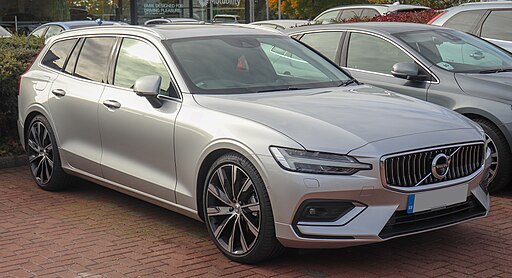
Volvo V60 faults
EGR Valve and DPF (Diesel Models) Problems
Symptoms:
-
“Engine system service required” message.
-
Rough idle or poor throttle response.
-
Limp mode or excessive black smoke.
Cause:
The EGR valve (Exhaust Gas Recirculation) can become clogged with soot, especially on D2, D3, and D4 diesel engines driven mainly in urban areas. Similarly, the DPF (Diesel Particulate Filter) struggles to regenerate properly when the car is used for short trips.
Solution:
-
Clean or replace the EGR valve and cooler.
-
Perform forced DPF regeneration using VIDA diagnostics.
-
Use high-quality fuel and ensure occasional long drives for natural regeneration.
Severity: Medium
Repair cost: $300–$900
Automatic Transmission (Geartronic) Issues
Symptoms:
-
Jerky or delayed gear changes.
-
“Transmission service required” warning.
-
Slipping gears or hesitation on acceleration.
Cause:
The Aisin Geartronic 6-speed automatic is reliable but sensitive to dirty or old transmission fluid. Volvo’s initial “sealed for life” service guidance led to many neglected fluid changes, resulting in valve body wear or torque converter issues.
Solution:
-
Replace transmission fluid every 60,000–80,000 km.
-
Reset adaptive shift values via Volvo VIDA.
-
In severe cases, rebuild or replace valve body.
Severity: High
Repair cost: $400–$1,800
Suspension Wear (Bushes, Drop Links, and Top Mounts)
Symptoms:
-
Knocking or clunking noise over bumps.
-
Uneven tire wear.
-
Steering vibration at highway speeds.
Cause:
The front lower control arm bushes and anti-roll bar links wear out over time, particularly on heavier D5 or T6 AWD models. R-Design versions with firmer suspension show wear sooner.
Solution:
-
Replace worn bushes or complete arms.
-
Carry out wheel alignment afterward.
Severity: Medium
Repair cost: $200–$600
Electrical System and CEM (Central Electronic Module) Glitches
Symptoms:
-
Random warning lights on dashboard.
-
Non-functioning indicators, wipers, or windows.
-
Central locking or keyless entry issues.
Cause:
The CEM (Central Electronic Module) can suffer from moisture ingress or poor connections, especially in areas with heavy rainfall. Corrosion or poor grounding causes intermittent faults.
Solution:
-
Clean and reseat electrical connectors.
-
Check for blocked bulkhead drains near the windscreen.
-
Replace or repair CEM if internal corrosion is detected.
Severity: Medium to high
Repair cost: $400–$1,000
Fuel Injector Seal Leaks (Diesel Engines)
Symptoms:
-
Diesel smell inside cabin.
-
Chuffing noise from engine bay.
-
Black soot buildup around injectors.
Cause:
Leaking copper sealing washers beneath injectors, usually due to age or incorrect torque.
Solution:
-
Remove injectors, clean seats, and install new copper washers and stretch bolts.
-
Check for carbon buildup.
Severity: Medium
Repair cost: $200–$400
Timing Belt and Tensioner Wear
Symptoms:
-
Ticking noise from timing area.
-
Poor starting or engine misfire.
-
Catastrophic engine damage if belt breaks.
Cause:
Failure to replace the timing belt and tensioners within Volvo’s recommended interval (160,000 km or 10 years). Some owners also neglect the water pump, which can seize and damage the belt.
Solution:
-
Replace timing belt, tensioners, and water pump as a complete kit.
-
Use genuine Volvo or OEM parts.
Severity: High
Repair cost: $600–$900
Steering Lock and Ignition Barrel Failure
Symptoms:
-
Steering remains locked when key is inserted.
-
Car won’t start intermittently.
-
Key difficult to turn.
Cause:
Mechanical wear or failure in the steering column lock mechanism or ignition switch.
Solution:
-
Lubricate with graphite (not oil).
-
Replace lock mechanism or ignition barrel if worn.
Severity: Medium
Repair cost: $250–$600
Parking Sensor and Radar System Faults
Symptoms:
-
“Parking sensor service required” or “Collision warning service required.”
-
Sensors beep constantly or not at all.
-
Adaptive cruise control not functioning.
Cause:
Moisture or corrosion in rear parking sensors or front radar sensor behind the grille.
Solution:
-
Clean sensor connectors and apply dielectric grease.
-
Replace faulty sensors or recalibrate radar system.
Severity: Low to medium
Repair cost: $100–$400 per sensor
Infotainment and Screen Failures
Symptoms:
-
Central display screen freezes or goes black.
-
Bluetooth and navigation malfunction.
-
Audio system cuts out.
Cause:
Software glitches or internal faults in the Infotainment Control Module (ICM). Later models using Sensus Connect are more stable but still prone to firmware bugs.
Solution:
-
Perform software update via VIDA.
-
Replace the ICM or main display module if necessary.
Severity: Medium
Repair cost: $300–$800
Water Ingress into Cabin
Symptoms:
-
Wet carpets or damp smell inside cabin.
-
Electrical warning lights or corroded connectors.
-
Foggy windows and moldy odor.
Cause:
Blocked sunroof drains or poor door seal adhesion allow rainwater to enter. The pollen filter housing can also leak if not properly sealed after maintenance.
Solution:
-
Clear sunroof drain tubes with compressed air.
-
Replace damaged door or window seals.
-
Dry interior thoroughly and inspect for corrosion.
Severity: Medium
Repair cost: $100–$400
Air Conditioning (A/C) System Leaks or Compressor Failure
Symptoms:
-
No cold air or weak airflow.
-
Clicking or whining noise from compressor.
-
AC only works intermittently.
Cause:
Leaking evaporator core, condenser, or a worn compressor clutch. High-mileage cars may also suffer from refrigerant loss due to age.
Solution:
-
Leak test using UV dye.
-
Replace faulty component and recharge system.
Severity: Medium
Repair cost: $500–$1,200
ABS and Traction Control Sensor Faults
Symptoms:
-
“Anti-skid service required” message.
-
ABS or traction control light on dashboard.
-
Cruise control disabled.
Cause:
Corroded or damaged wheel speed sensors, especially in cold climates with road salt exposure.
Solution:
-
Replace faulty sensor(s).
-
Clean hub area and check wiring connections.
Severity: Low
Repair cost: $100–$250 per sensor
Exhaust Mount and Flexi Pipe Deterioration
Symptoms:
-
Rattling noise from under the car.
-
Exhaust leak sound during acceleration.
-
Vibration when idling.
Cause:
Rust and vibration fatigue cause exhaust mounts and flexi sections to crack or loosen, especially on D5 and T6 models.
Solution:
-
Replace flexi pipe section or complete exhaust part.
-
Inspect mounting rubbers.
Severity: Low
Repair cost: $200–$500
Door Lock Actuator and Handle Failure
Symptoms:
-
Door fails to open or lock.
-
Central locking intermittent.
Cause:
Weak electric motors in door lock actuators, or sticking exterior handles from dirt and corrosion.
Solution:
-
Replace actuator.
-
Lubricate door latches annually.
Severity: Low
Repair cost: $150–$350 per door
Engine Oil Leaks (D5 and T5 Engines)
Symptoms:
-
Oil spots under car.
-
Burning smell from engine bay.
-
Low oil level warning.
Cause:
Oil leaks commonly occur at camshaft seals, rocker cover gasket, or turbo oil feed line.
Solution:
-
Identify source with UV dye or inspection.
-
Replace affected gasket or seal.
Severity: Medium
Repair cost: $200–$700
Summary Table
| Fault Area | Typical Symptoms | Severity | Approx. Repair Cost (USD) |
|---|---|---|---|
| EGR/DPF issues | Power loss, limp mode | Medium | $300–$900 |
| Geartronic gearbox | Harsh shifts | High | $400–$1,800 |
| Suspension wear | Knocking noises | Medium | $200–$600 |
| CEM/electronics | Random warnings | High | $400–$1,000 |
| Injector leaks | Diesel smell | Medium | $200–$400 |
| Timing belt | Engine failure risk | High | $600–$900 |
| Steering lock | Key won’t turn | Medium | $250–$600 |
| Parking/radar faults | Sensor warnings | Medium | $100–$400 |
| Infotainment faults | Screen freezing | Medium | $300–$800 |
| Water leaks | Damp carpets | Medium | $100–$400 |
| A/C failure | Weak cooling | Medium | $500–$1,200 |
| ABS sensor | Traction light on | Low | $100–$250 |
| Exhaust flexi pipe | Rattling sound | Low | $200–$500 |
| Door actuators | Lock not working | Low | $150–$350 |
| Oil leaks | Burning smell | Medium | $200–$700 |
Final Thoughts
The Volvo V60 is generally a robust, safe, and refined estate car, and many of its known faults are age-related rather than serious design flaws. The diesel engines — especially the D4 and D5 — are proven workhorses capable of high mileage when serviced properly.
To minimize issues:
-
Always change transmission fluid on time.
-
Keep EGR and DPF systems clean.
-
Follow correct timing belt intervals.
-
Inspect suspension and electrical connections regularly.
With preventive maintenance, the Volvo V60 can easily surpass 300,000 km and remain one of the most comfortable and dependable used estates in its class.
Volvo V60 as a used car
The Volvo V60 is a mid-size premium estate that perfectly blends Scandinavian elegance with practicality and performance. Introduced in 2010 as a more dynamic and refined successor to the V50, the V60 was designed to compete directly with the BMW 3 Series Touring, Audi A4 Avant, and Mercedes-Benz C-Class Estate. It represents Volvo’s move toward a more premium, design-led identity — offering impressive comfort, advanced safety, and a range of powerful yet efficient engines.
As a used car, the Volvo V60 stands out for its long-term reliability, comfort, and class-leading safety record. Buyers are often drawn to its timeless styling, refined interior, and solid reputation for durability. The car appeals to drivers who need estate practicality but prefer a sleek, executive design with Volvo’s traditional emphasis on understated quality.
Engine Range and Technical Specifications
Over its production run, the Volvo V60 was offered with a wide range of engines, from frugal diesels to high-performance turbocharged petrol and plug-in hybrid variants. These engines were paired with both manual and automatic transmissions, offering a mix of efficiency and power suited to different driving needs.
Petrol Engines:
-
1.6 T3 / T4 – 150–180 hp, 4-cylinder turbocharged, efficient and responsive.
-
2.0 T5 – 240 hp, smooth and refined, ideal for highway driving.
-
2.5 T6 AWD – 304 hp, 6-cylinder turbo, delivers strong performance and all-wheel drive capability.
Diesel Engines:
-
1.6 D2 – 115 hp, best for economy; returns up to 4.3 L/100 km.
-
2.0 D3 / D4 – 136–181 hp, strong torque and balanced refinement.
-
2.4 D5 AWD – 215 hp, 5-cylinder unit known for its smoothness and durability.
Hybrid Version:
-
V60 D6 Twin Engine – Plug-in hybrid combining a 2.4L diesel engine with an electric motor; total output 285 hp, capable of 50 km electric-only range.
Transmissions:
-
6-speed manual gearbox on lower trims.
-
6-speed Geartronic automatic (on most D5/T5 versions).
-
8-speed automatic introduced on later D4 engines for improved efficiency.
Performance and Efficiency:
-
0–100 km/h: between 10.9 seconds (D2) and 5.9 seconds (T6 AWD).
-
Top speed: 190–250 km/h depending on model.
-
Fuel consumption: 4.3–8.5 L/100 km.
-
CO₂ emissions: 115–200 g/km.
The 5-cylinder diesel engines in particular are well-regarded among Volvo enthusiasts for their distinctive sound, reliability, and strong torque output.
Driving Experience and Ride Quality
On the road, the Volvo V60 delivers a refined and composed driving experience. Its chassis, derived from the Ford EUCD platform (shared with the S60 and XC60), strikes a fine balance between comfort and control. Steering is light yet precise, and while it doesn’t have the sporty sharpness of German rivals, it excels in stability and confidence at speed.
The suspension setup varies depending on trim: SE and Momentum models prioritize comfort, while R-Design variants are equipped with firmer dampers and a sportier stance. The ride remains supple even on larger alloy wheels, and the car feels planted on twisty roads or long highway journeys.
AWD versions with the T6 or D5 engines offer excellent traction in poor weather conditions, making the V60 particularly popular in colder climates. The braking system is strong and progressive, and noise insulation is top-tier for its class.
Interior Design and Practicality
Inside the Volvo V60, the cabin showcases Volvo’s commitment to Scandinavian minimalism and ergonomic excellence. The hallmark “floating” center console, combined with premium materials and intuitive controls, creates a calm and functional driving environment.
The seats are among the most comfortable in the segment — designed for long-distance comfort with exceptional lumbar support. The use of soft-touch plastics, brushed aluminum, and optional leather gives the V60 a genuine premium feel.
Interior dimensions:
-
Front legroom: 1,073 mm
-
Rear legroom: 852 mm
-
Boot capacity: 430 liters (1,241 liters with seats folded flat)
While the cargo space is smaller than some competitors, the V60’s load bay is well-shaped and practical, with underfloor storage and flat-folding rear seats for added versatility.
Technology features include:
-
7-inch infotainment screen with Bluetooth and navigation.
-
Premium Sound by Harman Kardon or Volvo’s High Performance audio system.
-
Adaptive digital instrument cluster (on later models).
-
Heated seats, dual-zone climate control, and optional panoramic sunroof.
Safety Features and Ratings
Safety has always been at the core of Volvo’s identity, and the Volvo V60 continues that legacy. It earned a five-star Euro NCAP safety rating, excelling in both occupant and pedestrian protection.
Key safety systems include:
-
City Safety (standard) – automatic emergency braking at low speeds.
-
Blind Spot Information System (BLIS) – alerts the driver of vehicles in blind spots.
-
Lane Departure Warning and Driver Alert Control.
-
Pedestrian Detection with Full Auto Brake – one of the first cars to offer this system.
-
WHIPS (Whiplash Protection System) and SIPS (Side Impact Protection System).
-
Adaptive cruise control with distance alert and queue assist.
In real-world conditions, the V60’s structure and safety aids make it one of the safest used estates on the market.
Reliability and Common Issues
The Volvo V60 is generally very reliable, but like any complex vehicle, certain issues are known to arise with age and mileage. Common faults include:
-
EGR and DPF clogging (diesel models): especially on cars driven mostly in city traffic. Regular long drives and proper maintenance prevent this.
-
Automatic transmission hesitation: periodic fluid changes every 60,000–80,000 km are essential for smooth operation.
-
Front suspension wear: lower control arm bushes and anti-roll bar links can wear out, leading to knocking noises.
-
Electrical issues: malfunctioning parking sensors, door locks, or infotainment glitches occasionally occur.
-
Timing belt maintenance: 5-cylinder diesels require replacement every 160,000 km or 10 years.
Despite these issues, the V60 has a strong reputation for long-term dependability when serviced regularly, and the engines — particularly the D4 and D5 — are capable of exceeding 300,000 km without major problems.
Running Costs and Maintenance
Running costs for the Volvo V60 depend heavily on engine choice. The D2 and D4 diesels are the most economical, while T5 and T6 models offer higher performance at a cost of increased fuel consumption and insurance premiums.
Service intervals: every 20,000 km or annually.
Timing belt replacement: every 160,000 km / 10 years (D4/D5).
Insurance group: ranges between 22–35 depending on variant.
Replacement parts are widely available, and thanks to shared components with other Volvo models, maintenance costs remain reasonable for a premium vehicle.
Average ownership costs:
-
Fuel: 5–8 L/100 km depending on engine.
-
Annual maintenance: $400–$800.
-
Common wear items (brakes, suspension) are competitively priced compared to German rivals.
Market Prices and Buying Advice
As of 2025, the Volvo V60 offers excellent value on the used market, combining premium quality with durability. Pricing varies based on model year, mileage, and engine type:
-
Early 2011–2013 D2/D3 models: $5,000–$8,000.
-
2014–2016 facelifted D4/D5 models: $8,000–$12,000.
-
T5 or T6 AWD performance models: $10,000–$15,000.
-
V60 D6 Plug-in Hybrid: $12,000–$17,000 depending on battery condition.
Buying tips:
-
Check full service history (especially for timing belt and transmission fluid changes).
-
Inspect suspension and check for any knocking noises.
-
Ensure infotainment and parking sensors work correctly.
-
For diesels, verify that the DPF and EGR systems are functioning properly.
Well-maintained examples often show minimal wear, reflecting the car’s solid build quality and durability.
Final Verdict
The Volvo V60 is one of the most balanced and desirable used estate cars available today. It offers a rare mix of safety, luxury, and practicality in a stylish and understated package. While not the sportiest in its class, its comfortable ride, refined powertrains, and impeccable safety record make it a smart and sophisticated choice for families or professionals.
