Kawasaki Z650: The Complete Guide to Kawasaki’s Versatile Middleweight Streetfighter
The Kawasaki Z650 represents one of the most successful examples of a modern middleweight naked motorcycle. Combining aggressive styling, practical performance, lightweight handling, and everyday comfort, the Z650 has become a favorite among riders who want a motorcycle capable of delivering excitement without unnecessary complexity. Positioned between Kawasaki’s smaller Z400 and larger Z900 models, the Z650 occupies a carefully designed space where accessibility and performance meet. It offers enough power to satisfy experienced riders while remaining approachable for newer motorcyclists who want to develop their skills on a machine that will not quickly become outdated.
Since its introduction, the Kawasaki Z650 has continued the legacy of Kawasaki’s famous Z family, a motorcycle line recognized worldwide for its aggressive appearance and sporty character. However, unlike some larger performance-focused models, the Z650 emphasizes balance rather than extreme capability. Its design philosophy centers on creating a motorcycle that feels exciting during every ride, whether navigating busy city streets, commuting to work, exploring winding country roads, or simply enjoying a relaxed weekend journey. This combination of versatility and personality is one of the primary reasons the Z650 has earned such a strong reputation among motorcycle enthusiasts.
The modern motorcycle market has become increasingly competitive, with manufacturers offering machines that range from lightweight beginner models to powerful superbikes. In this environment, the Kawasaki Z650 succeeds because it avoids focusing on only one area of performance. Instead, Kawasaki created a motorcycle that performs well in many situations. The Z650 is economical enough for daily transportation, comfortable enough for longer rides, exciting enough for spirited riding, and practical enough to serve as a rider’s only motorcycle. Its appeal comes from its balance, proving that a motorcycle does not need extreme horsepower figures to provide a rewarding experience.
The History and Development of the Kawasaki Z650
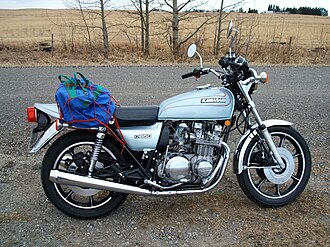
The Kawasaki Z650 was introduced as part of Kawasaki’s strategy to strengthen its middleweight naked motorcycle lineup. Although the modern Z650 name is associated with the current generation of lightweight streetfighters, the model also carries historical significance because Kawasaki previously used the Z650 designation for an iconic four-cylinder motorcycle produced during the 1970s. The modern Z650 pays tribute to Kawasaki’s heritage while adapting the concept for contemporary riders who value efficiency, accessibility, and everyday usability.
The current Z650 is closely related to Kawasaki’s Ninja 650 platform, sharing its engine and many mechanical components while adopting a completely different personality. The Ninja 650 focuses on sport-touring characteristics with fairings and a slightly more aerodynamic design, while the Z650 embraces the naked motorcycle philosophy by exposing mechanical elements and prioritizing an upright riding position. This distinction allows Kawasaki to serve different types of riders using the same reliable engineering foundation.
Over multiple generations, Kawasaki has continuously refined the Z650. Updates have included improvements to styling, chassis design, electronics, suspension tuning, and rider comfort. Despite these changes, the core philosophy has remained consistent: create a lightweight middleweight motorcycle that feels engaging, easy to control, and enjoyable in real-world riding conditions.
Design and Styling
The Sugomi-Inspired Appearance
The Kawasaki Z650 follows Kawasaki’s distinctive Sugomi design philosophy, a styling approach intended to communicate energy, aggression, and a sense of motion even when the motorcycle is standing still. This design language is visible throughout the Z650, from its sharp front headlight assembly to its muscular fuel tank, compact tail section, and exposed mechanical components. The result is a motorcycle that looks dynamic and purposeful without relying on excessive bodywork or unnecessary visual elements.
One of the defining characteristics of the Z650 is its minimalist naked-bike appearance. Instead of hiding the engine behind large fairings, Kawasaki allows the mechanical components to become part of the motorcycle’s visual identity. The frame, engine, exhaust system, and suspension components contribute to the overall appearance, reinforcing the idea that the Z650 is designed around the pure experience of riding.
The aggressive styling also helps distinguish the Z650 from traditional commuter motorcycles. Although it remains practical and approachable, it does not appear ordinary. The sharp lines, compact proportions, and muscular stance give it the visual presence of a larger performance motorcycle while maintaining the manageable size expected from a middleweight machine.
Ergonomics and Rider Accessibility
One of the greatest strengths of the Kawasaki Z650 is its rider-friendly ergonomics. The motorcycle provides an upright seating position that reduces strain on the wrists, shoulders, and lower back compared with more aggressive sport motorcycles. This makes it comfortable during daily commuting while still allowing riders to enjoy spirited cornering when the opportunity arises.
The seat height is designed to accommodate a broad range of riders, and the motorcycle’s narrow chassis allows many riders to place their feet securely on the ground when stopped. This confidence-inspiring design is particularly valuable for newer riders who are still developing low-speed control skills. The manageable dimensions also make the Z650 easy to maneuver in parking areas and heavy traffic.
Despite its accessibility, the ergonomics do not make the motorcycle feel boring or purely practical. The handlebars provide excellent leverage for quick steering inputs, while the footpeg position maintains enough sportiness to encourage enthusiastic riding. The result is a balanced riding position that works equally well for beginners, commuters, and experienced enthusiasts.
The Kawasaki Z650 Engine
At the heart of the Kawasaki Z650 is a 649cc liquid-cooled parallel-twin engine that has become one of Kawasaki’s most recognized modern powerplants. This engine is shared with other Kawasaki models, including the Ninja 650, and has earned a reputation for smooth performance, reliability, and excellent real-world usability. Rather than chasing maximum horsepower, Kawasaki designed the engine to provide strong torque delivery, predictable throttle response, and enjoyable acceleration across a wide range of riding conditions.
The parallel-twin configuration offers several advantages. Compared with smaller single-cylinder engines, it provides smoother operation and better highway performance. Compared with larger four-cylinder engines, it remains lighter, more economical, and easier to manage. This balance makes the Z650 especially appealing to riders who want enough performance for highway travel and weekend adventures without the added weight and complexity of larger motorcycles.
The engine’s character is one of the motorcycle’s strongest features. Power delivery is smooth and progressive, allowing riders to confidently explore the motorcycle’s capabilities. New riders benefit from the predictable response, while experienced riders appreciate the strong mid-range torque that makes acceleration enjoyable without requiring extremely high engine speeds.
Performance Characteristics
The Kawasaki Z650 produces performance that is ideal for real-world riding. While it does not compete with high-performance superbikes in terms of outright acceleration, it delivers more than enough power for commuting, highway riding, and enthusiastic weekend use. The motorcycle feels responsive from low RPM and continues building power smoothly through the rev range.
This accessible performance is one of the reasons the Z650 appeals to such a wide audience. Riders can enjoy the engine’s full character on public roads without constantly exceeding reasonable speeds. The motorcycle encourages smooth riding techniques, allowing riders to focus on cornering, braking, and overall control rather than simply managing excessive power.
The six-speed transmission works effectively with the engine’s characteristics. Gear changes are smooth and precise, while the gearing allows relaxed highway cruising and responsive acceleration when needed. Many versions also feature Kawasaki’s assist and slipper clutch technology, which reduces clutch effort and improves stability during aggressive downshifts.
Chassis and Handling
The Kawasaki Z650’s lightweight chassis is one of its most impressive qualities. Designed around a trellis-style frame, the motorcycle offers excellent rigidity while keeping weight low. This contributes to responsive steering, predictable handling, and a feeling of confidence that riders immediately appreciate.
The motorcycle’s relatively low weight allows it to change direction quickly and effortlessly. In urban environments, this makes the Z650 easy to filter through traffic and maneuver around obstacles. On winding roads, the same characteristics create an engaging riding experience where maintaining momentum and choosing smooth lines becomes rewarding.
Unlike some larger motorcycles that require significant effort to ride aggressively, the Z650 feels accessible and playful. Riders do not need to fight the motorcycle to achieve enjoyable performance. Instead, the chassis responds naturally, encouraging confidence and skill development.
Suspension Setup
The suspension system of the Kawasaki Z650 is designed to provide a balance between comfort and sporty handling. The front telescopic fork offers predictable control, while the rear horizontal back-link suspension contributes to stability and comfort. The setup is not intended for professional racing use, but it performs extremely well during everyday riding and spirited street use.
The suspension tuning allows the motorcycle to absorb road imperfections while maintaining enough control during cornering. This balance is important because many riders use their motorcycles in varied conditions, from imperfect city roads to smooth mountain routes. The Z650’s suspension supports this versatility effectively.
Braking Performance
The Kawasaki Z650 is equipped with braking components designed to provide strong performance while remaining easy to control. The front brakes deliver confident stopping power with progressive feedback, allowing riders to modulate braking force accurately. This predictable response is particularly useful for riders who are developing their riding skills.
Depending on model year and market, ABS is available or standard, providing additional safety during emergency braking situations. Combined with the motorcycle’s lightweight chassis and quality tires, the braking system contributes to a secure and confidence-inspiring riding experience.
The Everyday Riding Experience
The true strength of the Kawasaki Z650 is its ability to perform multiple roles without significant compromise. It can serve as a reliable commuter during the week, an enjoyable weekend motorcycle, and a capable touring machine with the addition of accessories. Few motorcycles achieve this level of versatility while maintaining such a strong sense of character.
In city environments, the Z650’s compact size, smooth engine, and comfortable riding position make daily travel simple and enjoyable. On open roads, the motorcycle reveals its sporty side, offering responsive handling and satisfying acceleration. This ability to adapt to different situations is what makes the Z650 such an attractive choice for many riders.
Reliability and Long-Term Ownership
The Kawasaki Z650 has developed an excellent reputation for reliability, continuing Kawasaki’s long tradition of producing durable and dependable motorcycles. One of the key reasons behind this reputation is the proven 649cc parallel-twin engine, which has been used across multiple Kawasaki models and refined over many years. Rather than being a highly stressed performance engine designed primarily for competition, the Z650’s powerplant focuses on long-term durability, smooth operation, and practical performance. This approach allows owners to enjoy thousands of kilometers of riding with confidence, provided regular maintenance is performed correctly.
The motorcycle’s engineering philosophy also contributes to its reliability. Kawasaki designed the Z650 to be a machine that owners could use every day, meaning components were selected with durability and ease of maintenance in mind. The engine is efficient, the cooling system is effective, and the electronics package is intentionally straightforward compared with more complex premium motorcycles. This simplicity reduces potential failure points while keeping servicing costs reasonable.
Many owners choose the Z650 because they want a motorcycle that does not require constant attention. It can handle daily commuting, weekend trips, and occasional long-distance journeys without demanding excessive maintenance or specialized knowledge. This makes it especially attractive to riders who want to spend more time riding and less time worrying about mechanical issues.
Maintenance Requirements
Maintaining a Kawasaki Z650 is relatively simple, making it an excellent motorcycle for riders who value affordable ownership. Regular oil and filter changes are among the most important maintenance tasks, ensuring the engine continues operating smoothly and efficiently. The chain drive requires regular cleaning, lubrication, and adjustment, particularly for riders who frequently encounter rain, dirt roads, or heavy commuting conditions.
The liquid cooling system requires periodic inspection and coolant replacement to maintain proper engine temperatures. Brake fluid changes, brake pad inspections, tire checks, and battery maintenance are also important parts of responsible ownership. Valve clearance inspections should be performed according to Kawasaki’s recommended service intervals to ensure the engine continues operating at peak efficiency.
One advantage of the Z650 is that many maintenance procedures are relatively accessible. Riders with mechanical experience can perform several basic tasks themselves, reducing ownership expenses. Additionally, because the platform is widely supported, replacement parts, aftermarket components, and technical information are easy to find.
Common Issues and Considerations
Although the Kawasaki Z650 is considered a highly reliable motorcycle, prospective owners should still inspect used examples carefully. As with any motorcycle, condition depends heavily on previous ownership and maintenance history. A well-maintained motorcycle with higher mileage can often be a better purchase than a low-mileage example that has been neglected.
Common concerns on used motorcycles are usually related to normal wear rather than design flaws. These may include worn tires, aging brake pads, stretched chains, scratched body panels, damaged levers from parking falls, or suspension components requiring attention. Electrical systems should be checked carefully, especially on motorcycles that have been modified with aftermarket accessories installed incorrectly.
The engine itself is generally considered very robust. Buyers should listen for unusual mechanical noises, check for smooth throttle response, confirm that the cooling system operates correctly, and ensure that the motorcycle starts easily both when cold and warm. A complete maintenance history provides valuable confidence when evaluating a used Z650.
Fuel Economy and Running Costs
One of the Kawasaki Z650’s greatest advantages is its excellent balance between performance and efficiency. The 649cc engine provides enough power for enjoyable riding while maintaining fuel consumption levels that make it practical for everyday use. Riders who commute regularly appreciate that the motorcycle can deliver strong performance without creating excessive fuel expenses.
Fuel economy varies depending on riding style, road conditions, and maintenance, but many owners achieve impressive mileage during normal riding. Smooth throttle control and proper maintenance can significantly improve efficiency, allowing the Z650 to cover long distances between fuel stops.
Ownership costs are also reasonable compared with larger motorcycles. Insurance is often more affordable than for high-performance sport machines, and consumable parts such as tires, brake pads, and chains are widely available. This combination of performance and affordability makes the Z650 appealing to riders who want a premium-feeling motorcycle without premium-level running costs.
Touring Capability
Although the Kawasaki Z650 is primarily marketed as a naked street motorcycle, its comfortable ergonomics and reliable engine make it surprisingly capable for touring. The upright seating position reduces rider fatigue, while the smooth parallel-twin engine provides comfortable highway performance. With the addition of accessories, the Z650 can easily become a practical machine for longer journeys.
Many owners add touring windscreens, luggage racks, tank bags, tail bags, and comfort seats to increase the motorcycle’s long-distance ability. These modifications improve wind protection and storage capacity, allowing riders to explore destinations beyond their normal commuting routes.
The motorcycle’s lightweight nature is also beneficial during touring. Unlike large touring motorcycles that can become difficult to maneuver when fully loaded, the Z650 remains manageable in parking areas, narrow roads, and unfamiliar environments. This makes it an excellent choice for riders who enjoy independent travel and exploration.
Customization and Accessories
The Kawasaki Z650 has a strong aftermarket community, giving owners numerous opportunities to personalize their motorcycles. Some riders focus on improving comfort, while others enhance appearance or performance. Because the motorcycle already offers a strong factory setup, most modifications are intended to tailor the bike to individual preferences rather than correct major weaknesses.
Popular accessories include frame sliders, engine guards, upgraded windscreens, heated grips, luggage systems, aftermarket mirrors, adjustable levers, comfort seats, LED upgrades, and cosmetic enhancements. Touring-focused riders often add practical accessories, while enthusiasts may choose exhaust systems or suspension upgrades to create a more personalized riding experience.
The Z650’s simple and attractive design also makes it popular among riders who enjoy customizing the appearance of their motorcycles. Small changes can significantly alter the motorcycle’s character while maintaining the aggressive styling that defines the Z family.
Kawasaki Z650 Compared With Other Motorcycles
Kawasaki Z650 vs Kawasaki Z900
The Kawasaki Z900 represents the larger and more powerful member of Kawasaki’s naked motorcycle lineup. Compared with the Z650, the Z900 offers significantly more horsepower, stronger acceleration, and a more aggressive performance character. However, it is also heavier, more expensive to operate, and less approachable for newer riders.
The Z650’s advantage is its balance. It provides enough performance for most real-world riding situations while remaining lightweight, economical, and easy to control. Riders who prioritize everyday usability often find the Z650 more practical, while those seeking maximum performance may prefer the larger Z900.
Kawasaki Z650 vs Kawasaki Z400
The Z400 is Kawasaki’s smaller naked motorcycle designed primarily for beginner riders. It is lighter, easier to handle, and more affordable than the Z650. However, the Z650 provides stronger acceleration, better highway capability, and more long-term growth potential.
Many riders view the Z650 as an ideal step after learning on a smaller motorcycle. It offers additional performance without the dramatic increase in weight and complexity associated with larger machines.
Kawasaki Z650 vs Yamaha MT-07
The Yamaha MT-07 is one of the Z650’s closest competitors in the middleweight naked motorcycle category. Both motorcycles focus on lightweight performance, everyday usability, and engaging riding characteristics. The MT-07 is known for its distinctive twin-cylinder engine character, while the Z650 emphasizes smoothness, refinement, and predictable handling.
Choosing between the two often depends on personal preference. Riders seeking a sharper, more aggressive personality may prefer one, while those looking for balanced versatility may prefer the other. Both motorcycles have earned strong reputations for reliability and rider satisfaction.
Buying a Used Kawasaki Z650
The Kawasaki Z650 has remained popular on the used motorcycle market because of its reliability, attractive styling, and broad appeal. Buyers should focus on overall condition rather than mileage alone. A motorcycle with regular servicing and careful ownership history is usually more valuable than a neglected example with fewer kilometers.
Important inspection points include checking service records, examining the chain and sprockets, inspecting tires and brakes, looking for accident damage, and confirming that all electrical components operate correctly. A test ride is highly recommended because it allows buyers to evaluate clutch operation, gearbox performance, steering behavior, suspension condition, and engine response.
Because the Z650 is often purchased by newer riders, it is worth checking for cosmetic damage caused by low-speed drops. Small scratches are common on beginner-friendly motorcycles and do not necessarily indicate serious problems, but structural damage should always be investigated carefully.
The Legacy of the Kawasaki Z650
The Kawasaki Z650 has become an important motorcycle in the modern middleweight category because it demonstrates that performance and practicality do not need to conflict. It represents Kawasaki’s ability to create a motorcycle that satisfies multiple types of riders while maintaining a clear identity.
The motorcycle continues the spirit of the Z family by offering aggressive styling and enjoyable performance while adapting those qualities for everyday riders. It proves that a successful motorcycle does not need extreme specifications to create memorable experiences. Instead, balance, confidence, and connection between rider and machine often matter more.
Conclusion
The Kawasaki Z650 is one of the most complete middleweight naked motorcycles available. Its combination of reliable parallel-twin performance, lightweight handling, comfortable ergonomics, attractive design, and affordable ownership creates a package that appeals to beginners and experienced riders alike. It provides enough excitement to keep skilled riders entertained while remaining approachable enough for those still developing confidence.
Whether used for commuting, weekend rides, touring adventures, or everyday transportation, the Z650 demonstrates exceptional versatility. It represents the idea that a motorcycle can be practical without being boring and exciting without being intimidating. For riders searching for a dependable and enjoyable machine capable of handling almost any situation, the Kawasaki Z650 remains one of the strongest choices in the middleweight motorcycle segment.
Kawasaki Z650 Technical Specifications
| Specification | Details |
|---|---|
| Model | Kawasaki Z650 |
| Production Years | 2017–Present |
| Engine Type | Liquid-cooled, four-stroke, DOHC, parallel twin |
| Engine Displacement | 649 cc |
| Bore × Stroke | 83.0 mm × 60.0 mm |
| Compression Ratio | 10.8:1 |
| Fuel System | Digital fuel injection |
| Cooling System | Liquid cooling |
| Maximum Power | Approximately 68 hp (50.2 kW) |
| Maximum Torque | Approximately 63 Nm |
| Transmission | 6-speed manual |
| Clutch | Assist and slipper clutch |
| Final Drive | Chain |
| Frame | High-tensile steel trellis frame |
| Front Suspension | 41 mm telescopic fork |
| Rear Suspension | Horizontal back-link suspension with preload adjustment |
| Front Brake | Dual 300 mm discs with ABS |
| Rear Brake | 220 mm disc with ABS |
| Front Tire | 120/70 ZR17 |
| Rear Tire | 160/60 ZR17 |
| Wheelbase | 1,410 mm |
| Seat Height | 790 mm |
| Ground Clearance | 130 mm |
| Fuel Tank Capacity | 15 liters |
| Curb Weight | Approximately 188 kg |
| Display | Digital TFT or LCD display depending on model year |
| Riding Character | Lightweight, sporty, comfortable, versatile middleweight naked motorcycle |
