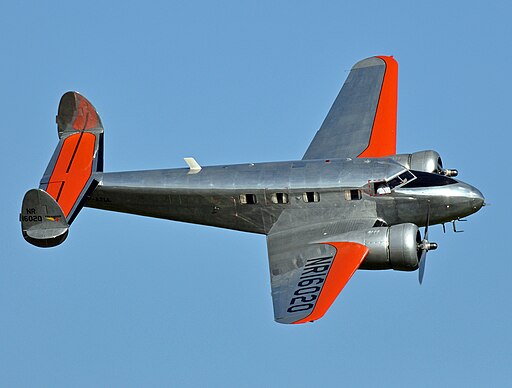
Lockheed Model 12 Electra Junior
The Lockheed Model 12 Electra Junior, introduced in the early 1930s, represents a smaller sibling to the larger and more well-known Lockheed Model 10 Electra. The Model 12, designed as a luxury executive and feeder airliner, possessed a distinctive twin-engine, low-wing monoplane configuration. With a sleek and compact fuselage, the Electra Junior could accommodate up to six passengers in a comfortable and stylish cabin. Its design featured twin Pratt & Whitney R-985 Wasp Junior radial engines, emphasizing efficiency and reliability for shorter-range flights.
Despite its diminutive size, the Lockheed Model 12 Electra Junior garnered attention for its elegant appearance and outstanding performance. The aircraft found favor among executives and private owners seeking a sophisticated means of air travel. Renowned for its speed, versatility, and advanced engineering, the Model 12 Electra Junior played a significant role in shaping the perception of executive air travel during the pre-World War II era.
Lockheed Model 12 Electra Junior parameters
The Lockheed Model 12 Electra Junior was a twin-engine executive and feeder airliner produced in the early 1930s. Here are some key parameters for the Model 12 Electra Junior:
- Crew: 1-2 (pilot and co-pilot)
- Passenger Capacity: Typically configured for 6 passengers
- Length: 38 feet 7 inches (11.76 meters)
- Wingspan: 49 feet 6 inches (15.09 meters)
- Height: 9 feet 7 inches (2.92 meters)
- Empty Weight: Approximately 6,200 pounds (2,812 kilograms)
- Max Takeoff Weight: Approximately 10,100 pounds (4,581 kilograms)
- Engines: Two Pratt & Whitney R-985 Wasp Junior radial engines
- Cruise Speed: Approximately 190 miles per hour (306 kilometers per hour)
- Range: Approximately 900 miles (1,448 kilometers)
- Service Ceiling: 21,650 feet (6,599 meters)
- First Flight: June 27, 1936
- Entered Service: 1936
- Number Built: Approximately 130 aircraft (all variants)
These parameters highlight the Lockheed Model 12 Electra Junior’s design as a compact, high-performance executive aircraft with a focus on efficiency and speed for shorter-range flights. The Model 12 Electra Junior’s elegant design and advanced engineering made it a popular choice for private owners and executives during its operational years.
History of the Lockheed Model 12 Electra Junior
The Lockheed Model 12 Electra Junior, introduced in 1936, holds a unique place in aviation history as a compact and stylish twin-engine executive aircraft. Designed to cater to the growing demand for private and feeder airliners, the Electra Junior quickly became a symbol of luxury air travel during the pre-World War II era. With its sleek lines, twin Pratt & Whitney R-985 Wasp Junior radial engines, and a spacious cabin accommodating up to six passengers, the Model 12 exemplified Lockheed’s commitment to blending performance with elegance.
The Electra Junior served a variety of roles, including executive transport, feeder airline service, and even some military applications during World War II. Its versatility and reliability contributed to its success, with approximately 130 aircraft built in various configurations. The Model 12 Electra Junior’s impact extended beyond its operational years, leaving a legacy as a pioneering aircraft that set the standard for executive air travel, combining advanced engineering with a touch of sophistication.
.jpg)