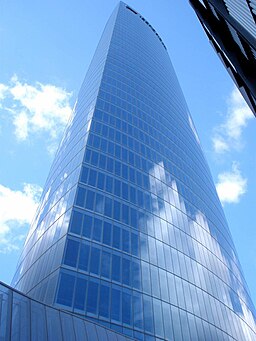
Iberdrola Tower
Iberdrola Tower: A Modern Icon of Innovation and Sustainability in Bilbao
The city of Bilbao, located in Spain’s Basque Country, has undergone a significant transformation over the past few decades. Once an industrial hub, Bilbao has redefined itself as a modern, dynamic city that blends its rich cultural heritage with cutting-edge architecture and urban development. One of the most iconic structures contributing to this transformation is the Iberdrola Tower (Torre Iberdrola). As the tallest building in the Basque Country and one of Spain’s most prominent skyscrapers, the Iberdrola Tower represents Bilbao’s forward-looking vision, combining innovation, sustainability, and architectural elegance.
In this article, we will explore the history, design, environmental credentials, and cultural significance of Iberdrola Tower. From its conception to its impact on the city’s skyline, this tower has become a symbol of Bilbao’s evolution from an industrial past to a modern, sustainable future.
The Birth of Iberdrola Tower: Vision and Ambition
Iberdrola Tower was conceived as part of a larger urban renewal project aimed at revitalizing the area surrounding the Abandoibarra district, located along the Nervión River in the heart of Bilbao. This district had traditionally been an industrial zone, but over time, it was transformed into a prime business and cultural area, drawing international attention for its dynamic architecture and modern infrastructure. The completion of the Guggenheim Museum Bilbao in 1997, designed by Frank Gehry, was a catalyst for this transformation, leading the city to embrace modernity and global connectivity.
The tower itself was developed by the energy giant Iberdrola, one of Spain’s largest electric utility companies, and was envisioned as the company’s headquarters. The project began in the early 2000s, with construction officially starting in 2007 and finishing in 2011. The decision to build a high-rise building in such a prime location reflected both Iberdrola’s desire to assert its corporate identity and the city’s broader ambitions to position itself as a global business and cultural center.
The design of the tower was entrusted to Arquitectónica, a New York-based architectural firm known for its modern, innovative designs of high-rise buildings worldwide. Their vision for Iberdrola Tower was to create a structure that would not only be functional and environmentally sustainable but also serve as an iconic landmark that would define the Bilbao skyline.
Architectural Design: Sleek and Futuristic
Iberdrola Tower stands at 165 meters (541 feet) tall, making it the tallest building in the Basque Country. Its sleek, modern design is a striking contrast to the historical architecture that surrounds it, particularly the nearby Guggenheim Museum. The tower’s design is characterized by its smooth, curving glass façade that gives the building a fluid, dynamic appearance. This design element reflects a sense of motion, with the glass surface allowing the tower to change color and texture depending on the time of day and weather conditions, enhancing its visual appeal.
The building’s structure is comprised of concrete and steel, and its exterior features a striking curved glass envelope. The façade’s undulating shape reduces the impact of wind resistance, which is a crucial factor in the design of tall buildings. This feature not only improves the tower’s stability but also contributes to its modern aesthetic. The building’s form tapers as it rises, creating a fluid silhouette that symbolizes the energy flow of the Iberdrola company it represents.
One of the standout elements of the design is the building’s rounded top, which allows for a panoramic view of the city and the surrounding landscapes. The upper levels of the tower house the executive offices, and the top floor is reserved for a private space that offers 360-degree views of Bilbao, the mountains, and the river. The use of glass in the design also maximizes natural light within the building, creating bright, open office spaces and enhancing the overall experience for the building’s occupants.
The base of the tower is also noteworthy. The building is raised on a large platform that allows for a spacious, open plaza at street level. This design not only contributes to the tower’s impressive presence but also connects the structure to the surrounding urban environment, providing a seamless integration of public and private space. The open plaza is used for various community events, contributing to the vibrancy of the Abandoibarra district.
Sustainability at the Core: Iberdrola Tower’s Green Credentials
One of the most defining features of Iberdrola Tower is its commitment to environmental sustainability. As a company that focuses on energy production and distribution, Iberdrola sought to make its headquarters a model of green building design. The tower was constructed with a focus on energy efficiency, reduced carbon emissions, and overall sustainability. The building was awarded the prestigious BREEAM (Building Research Establishment Environmental Assessment Method) certification for its environmental design, a testament to its sustainable approach.
Several key features of Iberdrola Tower contribute to its sustainability:
- Energy Efficiency: The building’s facade design minimizes energy consumption by allowing for natural light to penetrate the building, reducing the need for artificial lighting. The glass façade is made of low-emissivity glass, which helps to keep the building cooler in the summer and warmer in the winter, reducing energy costs for heating and cooling.
- Renewable Energy Integration: In line with Iberdrola’s commitment to renewable energy, the tower is equipped with solar panels that help to generate clean energy. The integration of renewable energy into the building’s design allows for a reduction in the building’s overall carbon footprint.
- Water Management: The tower incorporates efficient rainwater harvesting systems, which collect rainwater for use in irrigation and other non-potable uses. This helps to reduce the building’s reliance on municipal water supplies and supports the city’s overall sustainability goals.
- Sustainable Materials: The construction of Iberdrola Tower utilized environmentally friendly materials, ensuring that the building’s footprint would be as light as possible on the environment. This includes the use of recycled materials and low-impact finishes, which contributed to the building’s certification.
- Green Roofs and Public Spaces: The tower also features green roofs that help to reduce heat island effects in the city, promoting biodiversity and offering outdoor spaces for relaxation. The integration of greenery into the design enhances the building’s overall environmental performance.
Iberdrola Tower and Bilbao’s Economic Renaissance
Iberdrola Tower has become an essential part of Bilbao’s evolving identity as a modern, business-friendly city. The tower’s completion represents the culmination of decades of urban transformation, which has seen the city shift away from its industrial roots toward a focus on services, technology, and culture.
The tower houses Iberdrola’s headquarters, as well as a variety of office spaces for other companies, making it an attractive destination for businesses seeking prime office space in a prominent location. The presence of Iberdrola Tower has helped to solidify Bilbao’s status as an economic hub in northern Spain, attracting both national and international businesses to the region. This influx of corporate investment has contributed to the city’s economic growth and has made the Abandoibarra district a key commercial center.
Additionally, the tower’s proximity to the Guggenheim Museum, Bilbao’s historic old town, and the riverfront promenade ensures that it is well integrated into the city’s cultural and social fabric. The tower has become not only a symbol of corporate success but also a reminder of Bilbao’s commitment to integrating sustainability, culture, and modern architecture into its urban landscape.
Cultural Significance: A Symbol of Modern Bilbao
Iberdrola Tower is not just a functional office building; it is also a symbol of Bilbao’s evolution as a modern, global city. The city, which was once defined by its industrial character, has reinvented itself as a center of innovation, creativity, and sustainability. The tower, with its striking design and environmental credentials, encapsulates this transformation.
The presence of Iberdrola Tower in the city’s skyline, alongside other iconic structures like the Guggenheim Museum and the Zubizuri Bridge, positions Bilbao as a leader in architectural innovation. The tower’s sleek design and sustainable features reflect the city’s commitment to embracing contemporary architecture while maintaining its deep cultural roots. It also highlights the role of the private sector in shaping the future of urban development, with Iberdrola playing a key role in both the city’s economic and environmental progress.
Conclusion: Iberdrola Tower and Bilbao’s Future
Iberdrola Tower is much more than just the tallest building in Bilbao. It is a symbol of the city’s ambitious, forward-thinking vision, combining cutting-edge design with a commitment to sustainability and environmental responsibility. As Bilbao continues to grow as a hub for business, culture, and innovation, Iberdrola Tower will remain a central feature of its skyline, serving as a reminder of the city’s dynamic transformation from an industrial past to a bright, sustainable future.
