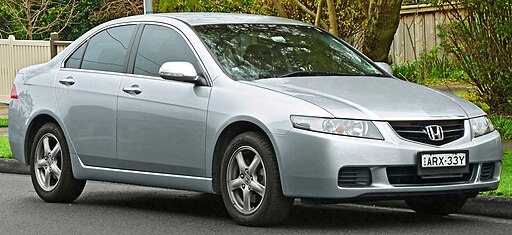
Honda Accord faults
Common Honda Accord Faults: Detailed Overview
The Honda Accord is widely known for its reliability and longevity, but like any vehicle, it’s not immune to certain issues, especially as it ages. Below are some of the common and known faults that have been reported by Honda Accord owners over the years. These issues can be found in various model years, though some are more prevalent in specific generations.
1. Transmission Problems (Automatic Transmission)
One of the most common issues faced by Honda Accord owners, particularly in the earlier 2000s models, is related to the automatic transmission. Symptoms of this problem include rough shifting, hesitation during acceleration, or slipping gears.
- Affected Models: Primarily 2000-2003 Honda Accord with 4-speed automatic transmissions.
- Cause: The transmission’s internal components, such as the torque converter and valve body, can wear prematurely, resulting in poor shifting performance.
- Solution: In many cases, replacing the transmission or the affected parts can resolve the issue. It’s also important to regularly check and replace the transmission fluid to ensure smooth operation.
2. Cracked Engine Block (2008-2012 Models)
Some Honda Accord owners, especially those with 2008-2012 models, have reported cracks in the engine block. This can lead to coolant leakage and, in severe cases, engine failure.
- Symptoms: Overheating, white smoke from the exhaust, coolant loss, or engine misfires.
- Cause: A manufacturing defect in the engine block, specifically related to an issue with the casting process.
- Solution: If the engine block is cracked, the only real solution is to replace the engine. Some owners report that Honda dealerships may offer goodwill repairs if the vehicle is still under warranty or if the issue occurs early in the car’s life.
3. Premature Brake Wear
Another common issue with the Honda Accord, especially in the earlier models (2000-2008), is premature brake wear. Many owners have noticed that their brake pads wear out faster than expected, leading to costly repairs.
- Symptoms: Squeaky brakes, reduced braking efficiency, or the need for frequent brake pad replacements.
- Cause: The main cause could be a combination of driving style, brake pad material, and potential issues with the brake calipers or rotors.
- Solution: Regular maintenance, including inspecting the brake system, can help extend the lifespan of brake pads. In some cases, the use of higher-quality, longer-lasting brake pads can resolve this issue.
4. Power Steering Pump Failure
Honda Accord owners, particularly those with models from the early 2000s, have reported power steering pump failures. The symptoms of this issue include difficulty steering, whining noises from the engine bay, and fluid leakage.
- Symptoms: Steering becomes difficult, and there may be fluid leaks around the power steering pump. A whining noise could also be heard when turning the steering wheel.
- Cause: The power steering pump can fail due to wear and tear or issues with the power steering fluid. Contamination of the fluid can lead to pump failure, particularly in older models.
- Solution: Replacing the power steering pump is the most effective way to resolve this issue. In some cases, flushing the power steering system and replacing the fluid can help prevent further damage.
5. Electrical System Problems (2003-2007 Models)
Electrical issues are another common complaint among Honda Accord owners. Problems can range from malfunctioning power windows to more serious electrical component failures, including issues with the alternator, starter, and battery.
- Symptoms: Warning lights on the dashboard, malfunctioning interior lights, power windows not working, or issues with the vehicle’s electrical accessories.
- Cause: These issues may stem from faulty alternators, worn-out battery connections, or wiring problems within the car.
- Solution: Diagnosing and fixing electrical issues requires professional attention. Replacing the alternator, cleaning or replacing battery connections, and repairing damaged wiring should resolve the issue.
6. Air Conditioning (AC) System Failures
The air conditioning system in the Honda Accord, particularly in older models (2003-2007), has had a reputation for developing problems. Common issues include weak airflow, strange smells, and the complete failure of the system to cool the cabin.
- Symptoms: Poor or no cooling from the AC, weak airflow from vents, or musty smells.
- Cause: Refrigerant leaks, a faulty compressor, or problems with the condenser or evaporator are common culprits. In some cases, the cabin air filter may need to be replaced.
- Solution: Diagnosing the specific issue usually requires the expertise of an HVAC technician. If it’s a refrigerant leak, the system will need to be recharged, and any leaks will need to be sealed. If the compressor is faulty, it may need to be replaced.
7. Suspension Issues (2008-2012 Models)
Some Honda Accord models from 2008 to 2012 have been known to develop suspension issues, particularly with the front struts. Owners may notice clunking or rattling noises when driving over bumps or rough terrain.
- Symptoms: Clunking or rattling noises from the suspension, especially when driving over potholes or rough roads.
- Cause: Worn or faulty suspension components such as struts, shocks, or bushings.
- Solution: Replacing the worn struts or other suspension components should resolve the issue. It’s essential to address suspension issues promptly, as they can impact handling and overall safety.
8. Oil Consumption Issues (2008-2015 Models)
Some Honda Accord models, especially those with the 4-cylinder engines from 2008 to 2015, have been reported to consume excessive amounts of oil. This can lead to engine damage if not addressed.
- Symptoms: Oil level dropping more quickly than expected between oil changes, or a warning light indicating low oil pressure.
- Cause: This problem could stem from issues with piston rings or valve seals, leading to oil burning in the combustion chamber.
- Solution: Regularly monitoring oil levels and topping up as needed can help prevent engine damage. If oil consumption is severe, it may require engine repairs such as replacing the piston rings or valve seals.
9. VTC Actuator Issues (2008-2012 Models)
The VTC (Variable Timing Control) actuator, which manages the timing of the camshaft to improve engine efficiency, is a known issue in Honda Accord models produced between 2008 and 2012. When the actuator fails, it can lead to rough idling, poor acceleration, or even a check engine light.
- Symptoms: Rough idling, poor acceleration, and the illumination of the check engine light with an associated error code related to the VTC actuator.
- Cause: The VTC actuator can become clogged or wear out over time, leading to a malfunction in the variable valve timing system.
- Solution: Replacing the faulty VTC actuator and cleaning the system typically resolves the issue.
Conclusion
Despite its overall reputation for reliability, the Honda Accord is not without its faults. While many of the issues mentioned above are not universal across all years and models, they have been common among certain generations of the Accord. Regular maintenance, prompt attention to warning signs, and ensuring the vehicle is serviced by a qualified mechanic can go a long way in keeping the Honda Accord in excellent condition and minimizing the likelihood of these faults affecting performance. For prospective buyers of used Honda Accords, it’s important to be aware of these common issues and ensure that the vehicle has been well-maintained to avoid costly repairs down the road.
Honda Accord as a used car
Honda Accord as a Used Car: A Detailed Overview
The Honda Accord is one of the most respected and popular mid-size sedans on the market, known for its durability, reliability, and value retention. Since its introduction in 1976, the Accord has evolved significantly, adapting to changing consumer preferences and technology advancements while maintaining its reputation for being an all-around dependable vehicle. As a used car, the Honda Accord stands out as an excellent choice for buyers looking for a vehicle that offers a combination of reliability, practicality, comfort, and performance. This article takes a deep dive into the pros and cons of buying a used Honda Accord, common issues to watch out for, and what to expect in terms of performance, comfort, and maintenance.
Why Choose a Honda Accord as a Used Car?
The Honda Accord remains a top contender in the used car market due to its consistent reputation for reliability, practicality, and cost-effectiveness. For many years, it has been praised for offering one of the most well-rounded driving experiences in the mid-size sedan category. Below are some of the key reasons why the Accord is so highly regarded as a used car:
- Reliability and Longevity Honda Accords are widely known for their impressive reliability, often lasting well beyond 200,000 miles with proper maintenance. Many used Honda Accords can be found with high mileage but still running strong. This is largely due to Honda’s engineering focus on durability and longevity. If you find a used Accord with a good service history, it’s likely to continue performing reliably for many years to come.
- Resale Value Honda vehicles, including the Accord, typically hold their value better than many competitors. This is particularly important for buyers who may want to resell the car down the line, as Honda Accords tend to depreciate slower than many other vehicles in their class.
- Fuel Efficiency Known for its fuel efficiency, the Accord is an excellent choice for those looking to save money at the pump. Even older models of the Accord, especially those with the 4-cylinder engines, offer impressive fuel economy, often averaging between 30-35 mpg on the highway. This makes it a strong contender for anyone looking to save on fuel costs over the long run.
- Comfort and Interior Quality The Honda Accord boasts a spacious, comfortable interior with high-quality materials. Even older models are often equipped with comfortable seating, user-friendly controls, and decent technology. For families or individuals who require space, the Accord provides ample legroom and a large trunk for luggage or groceries.
- Smooth Ride and Handling One of the best aspects of the Honda Accord is its balance between comfort and performance. The suspension provides a smooth and comfortable ride, while the car still offers responsive handling, making it a joy to drive on both city streets and highways.
What to Expect from a Used Honda Accord
When considering a used Honda Accord, the model year and trim level can significantly influence what you’ll get in terms of features, performance, and comfort. The Accord has evolved over the years, with major upgrades in technology, design, and engine performance. Here’s an overview of what you can expect from different model years.
First-Generation (1976-1981)
The first-generation Honda Accord was a compact car that quickly gained popularity due to its efficiency and affordability. While it’s less common today as a used car due to its age, the early Accords were praised for their practicality and reliability. The first generation was also one of the first cars to come with standard fuel-injection, helping it stand out from competitors in terms of fuel efficiency.
- What to Expect: Older Accords will have limited modern features and safety equipment, but they can be a good choice for vintage car enthusiasts or those looking for an economical option on a budget.
Second-Generation (1982-1985)
The second-generation Accord introduced more refined features and improved interior space. The Accord became a little larger and more comfortable, and Honda began to emphasize the inclusion of more advanced features, like air conditioning and better sound systems.
- What to Expect: If you can find a well-maintained second-generation Accord, you can expect a solid, dependable car, though technology will be quite dated by today’s standards.
Third to Fifth Generations (1986-1993)
The third, fourth, and fifth generations of the Accord marked a significant shift, with more luxurious features, including better suspension systems, more powerful engines, and improved safety features. By this point, the Accord was firmly established as a reliable mid-size car, offering solid value for money.
- What to Expect: These models offer a great balance of reliability and performance but may lack more modern amenities found in newer models, like advanced infotainment systems or active safety features.
Sixth and Seventh Generations (1994-2007)
In the late 1990s and early 2000s, Honda Accord models became known for their superior build quality and more advanced technology. The sixth generation featured a more refined design, while the seventh generation introduced new engines and better interior materials. These years also marked the introduction of more modern tech features, like navigation systems, premium sound systems, and enhanced air conditioning.
- What to Expect: These models offer a more comfortable and refined driving experience than older generations, with more tech and safety features. The Honda Accord from this era is one of the most sought-after used vehicles, as they strike a great balance between modern amenities and affordability.
Eighth Generation (2008-2012)
The eighth-generation Honda Accord is one of the most popular choices for used buyers, thanks to its combination of updated design, refined interiors, and powerful engine options. The car is larger, with improved comfort, more trunk space, and better overall performance. It’s available with both 4-cylinder and V6 engine options, offering a wide variety of choices for buyers.
- What to Expect: You’ll get modern features like Bluetooth, keyless entry, and an intuitive infotainment system. The ride is smooth, and the cabin is spacious. However, some models, particularly those with the V6 engine, have had issues with the automatic transmission, which should be taken into account when purchasing.
Ninth Generation (2013-2017)
The ninth-generation Accord represents a significant step forward in terms of technology and safety. It includes advanced safety features such as lane-departure warning, adaptive cruise control, and a multi-angle rearview camera, all standard on many models. It also offers a hybrid option for those looking for better fuel economy.
- What to Expect: A modern, comfortable ride with plenty of high-tech features. The car feels refined and offers a good balance between luxury and practicality. However, the hybrid versions, while offering excellent fuel economy, can come with higher repair costs down the line.
Tenth Generation (2018-Present)
The latest generation of the Honda Accord is one of the most advanced yet, with sleek, modern styling, an updated infotainment system, and advanced driver-assistance systems as standard. It comes with turbocharged engines that offer a great mix of performance and fuel efficiency.
- What to Expect: A premium, high-tech driving experience with modern features like Apple CarPlay, Android Auto, and driver assistance features. As a used car, the price might still be relatively high compared to older generations, but it provides near-new reliability and cutting-edge technology.
Common Honda Accord Issues to Watch Out For
Though the Honda Accord is generally known for its reliability, like any used car, there are a few common issues to keep in mind when purchasing an older model:
- Transmission Problems (2000-2003): Some early 2000s models, especially those with automatic transmissions, have been known to experience transmission failure or rough shifting. Be sure to check the transmission fluid regularly and test the car thoroughly before purchasing.
- Suspension Wear (2008-2012): Suspension components like struts and shocks may wear out in higher-mileage vehicles, leading to a rougher ride or clunking noises when going over bumps. A thorough inspection of the suspension system is recommended.
- VTC Actuator (2008-2012): Certain models from these years have reported issues with the Variable Timing Control (VTC) actuator, which can lead to rough idling or poor acceleration. If buying an older model, it’s worth checking for any recalls or repairs related to this part.
- Oil Consumption (2008-2015): Some 4-cylinder engines in the Accord have been known to consume excessive amounts of oil, leading to engine wear. Regularly check the oil level and address any concerns immediately to avoid engine damage.
- AC System Failures (2003-2007): The air conditioning system in some Accords from these years has been known to fail due to issues with the compressor or condenser. A functioning AC system should be one of the first things you check.
Final Thoughts: Is the Honda Accord a Good Used Car?
In conclusion, the Honda Accord remains one of the best choices in the used car market, offering a combination of reliability, fuel efficiency, comfort, and performance. Whether you’re looking for an affordable daily commuter or a family-friendly vehicle, the Accord is a well-rounded option that continues to stand the test of time. When purchasing a used Honda Accord, it’s important to check the vehicle’s service history and look for common issues specific to the model year you’re interested in. With the right care, a used Honda Accord can provide many more years of dependable service, making it a wise investment for those seeking long-term value in their next vehicle.
.jpg)