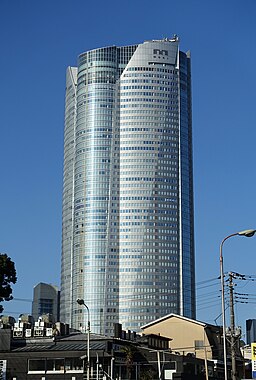
Roppongi Hills Mori Tower
Roppongi Hills Mori Tower – A Beacon of Urban Innovation and Architectural Brilliance in Tokyo
The Roppongi Hills Mori Tower is a standout landmark in Tokyo’s dynamic urban landscape. As a central component of the Roppongi Hills complex, this skyscraper embodies the convergence of business, culture, and art, while showcasing state-of-the-art design and sustainable technology. More than just an office building, the Mori Tower represents a visionary approach to urban development that has redefined the way modern cities integrate work, leisure, and community.
Historical Context and Vision
Conceived as part of the ambitious Roppongi Hills redevelopment project, the Mori Tower was envisioned to transform the Roppongi district into a vibrant, multi-use hub. Launched in the late 1990s and completed in the early 2000s, the project was spearheaded by the Mori Building Company, which sought to create a space that could serve as both a powerhouse for business and a cultural epicenter. The tower was designed to offer more than mere workspace; it was meant to inspire creativity, foster collaboration, and act as a magnet for investment and tourism, all while reflecting Tokyo’s blend of modernity and tradition.
Architectural Design and Aesthetic Vision
The design of the Mori Tower is a testament to contemporary architectural excellence. Its sleek, tapering form and expansive glass façade create a dynamic interplay of light and reflection, symbolizing the ever-changing energy of Tokyo. The architects skillfully balanced form and function, ensuring that every design element contributed not only to the building’s visual appeal but also to its efficiency and practicality.
Key design elements include:
- Expansive Glass Facade: The extensive use of high-performance glass panels maximizes natural light within the interior spaces and creates a transparent connection between the building and the bustling city outside. This feature not only enhances the aesthetic appeal but also contributes to energy efficiency.
- Fluid, Tapering Form: The tower’s gradually narrowing profile is designed to reduce wind resistance and optimize structural performance, reflecting both engineering ingenuity and artistic elegance.
- Integrated Public Spaces: At its base, the Mori Tower incorporates open plazas and landscaped terraces that invite public interaction, blending seamlessly with the surrounding urban fabric and enhancing the overall vibrancy of the Roppongi Hills complex.
Technical Specifications and Structural Excellence
From an engineering perspective, the Roppongi Hills Mori Tower is a marvel of modern construction. The building’s technical parameters demonstrate a meticulous attention to detail and a commitment to both safety and sustainability.
- Height and Floor Count:
The Mori Tower rises to approximately 238 meters and comprises 54 floors. Its imposing stature not only redefines Tokyo’s skyline but also symbolizes the city’s forward momentum. - Total Floor Area:
With tens of thousands of square meters of floor space, the tower is designed to accommodate a wide array of functions—from premium office spaces to cultural venues and public observation decks. - Structural Framework:
Utilizing a composite system that combines reinforced concrete with high-strength steel, the tower is engineered to withstand the seismic challenges of the Tokyo region. Advanced damping systems are integrated to mitigate vibrations and enhance occupant comfort. - Facade Engineering:
The high-performance curtain wall system features energy-efficient glazing and sun-shading devices that reduce solar heat gain, contributing to a cooler, more sustainable indoor climate.
Interior Design and Multifunctional Amenities
Inside the Mori Tower, the focus shifts to creating a versatile and inspiring environment. Every element of the interior is designed to foster collaboration, creativity, and productivity, while also providing spaces for relaxation and cultural enrichment.
- Premium Office Spaces:
The upper floors host modern, flexible office suites that are equipped with cutting-edge IT infrastructure and ergonomic designs. These workspaces are tailored to meet the demands of both multinational corporations and innovative startups. - Cultural Facilities:
A crown jewel of the tower is the Mori Art Museum, which occupies a significant portion of the building. The museum regularly hosts exhibitions of contemporary art and design, positioning the Mori Tower as a hub for cultural exchange and creative dialogue. - Observation Deck:
At the very top of the tower, an observation deck offers panoramic views of Tokyo’s sprawling metropolis. This public space has become a favorite destination for both locals and tourists, providing breathtaking vistas that capture the essence of the city. - Dining and Retail:
A variety of restaurants, cafes, and retail outlets are integrated within the tower, creating a vibrant ecosystem that caters to the diverse needs of its occupants and visitors. These amenities ensure that the Mori Tower is a self-contained urban center, offering both convenience and luxury.
Cultural Impact and Urban Integration
The influence of the Mori Tower extends well beyond its architectural and technical achievements. As a pivotal part of the Roppongi Hills complex, it has played a significant role in revitalizing the surrounding area and establishing Roppongi as a premier destination for culture, commerce, and leisure.
- Cultural Hub:
By housing the Mori Art Museum and hosting a variety of cultural events, the tower has become a beacon for artistic expression and innovation. Its commitment to the arts has enriched Tokyo’s cultural landscape and provided a platform for both established and emerging artists. - Economic Catalyst:
The presence of high-caliber office spaces and premium amenities has attracted a diverse range of businesses, from global corporations to local startups. This influx of activity has spurred economic growth and contributed to the overall development of the Roppongi district. - Community Engagement:
The public spaces within and around the Mori Tower foster community interaction, hosting events, festivals, and public forums that bring people together and enhance the social fabric of the city.
Sustainability and Technological Advancements
In today’s rapidly evolving urban environment, sustainability is a core component of any modern development. The Mori Tower incorporates several innovative features that underscore its commitment to environmental responsibility.
- Energy Efficiency:
The building’s design incorporates state-of-the-art HVAC systems, LED lighting, and intelligent building management technologies. These systems continuously monitor and optimize energy usage, reducing the overall environmental footprint. - Green Materials and Practices:
Sustainable construction practices and the use of eco-friendly materials have been key considerations throughout the project. These efforts not only lower operational costs but also ensure that the tower meets stringent environmental standards. - Smart Technology Integration:
The Mori Tower is outfitted with advanced communication and security systems that enhance operational efficiency. Smart sensors, automated lighting, and climate control systems contribute to a responsive and adaptable building environment.
Economic and Social Influence
The Roppongi Hills Mori Tower has had a profound impact on both the local economy and the broader urban community. Its role as a premier business hub has attracted significant investment, fostering an environment of innovation and growth.
- Job Creation and Investment:
The tower has been instrumental in generating employment opportunities and attracting multinational enterprises. Its presence has bolstered local commerce and stimulated further urban development within the Roppongi district. - Tourism and Global Recognition:
With its observation deck and cultural attractions, the Mori Tower has become a magnet for tourists. Its striking design and panoramic views of Tokyo have garnered international acclaim, reinforcing Tokyo’s reputation as a global metropolis. - Social Connectivity:
The integration of public spaces, cultural facilities, and commercial amenities within the tower has helped create a vibrant community where business, leisure, and cultural activities converge.
Future Prospects and Continuing Legacy
As Tokyo continues to evolve, the Roppongi Hills Mori Tower is poised to remain at the forefront of urban innovation. Continuous upgrades in technology, design, and sustainability will ensure that the tower adapts to future challenges and opportunities.
- Adapting to Technological Advances:
With a flexible infrastructure and a forward-thinking design, the Mori Tower is well-positioned to incorporate emerging digital technologies and smart city innovations. - Sustainable Urban Development:
Ongoing enhancements in energy efficiency and environmental practices will further cement the tower’s role as a model for sustainable urban architecture. - Cultural and Economic Growth:
As a center for creativity and commerce, the Mori Tower will continue to attract global talent, drive economic growth, and inspire future generations of architects, entrepreneurs, and artists.
Conclusion
The Roppongi Hills Mori Tower stands as a testament to Tokyo’s ability to blend tradition with innovation. Its visionary design, robust technical foundation, and commitment to sustainability have redefined the city’s skyline and transformed the Roppongi district into a vibrant hub of culture, commerce, and creativity. As it continues to evolve and adapt, the Mori Tower remains an enduring symbol of urban excellence, inspiring both the local community and the global stage with its pioneering spirit and architectural brilliance.
