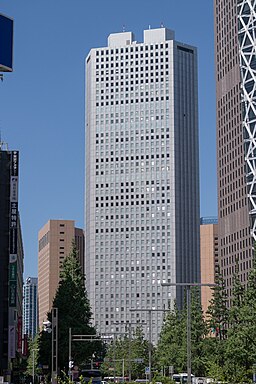
Shinjuku Sumitomo Building
Shinjuku Sumitomo Building: A Triangular Icon of Tokyo’s Skyline
The Shinjuku Sumitomo Building is one of Tokyo’s most iconic skyscrapers, renowned not only for its geometric boldness but also for being one of the earliest high-rise constructions in the city that pushed the boundaries of postwar Japanese architecture. Located in the Nishi-Shinjuku district, an area widely regarded as Tokyo’s first true skyscraper hub, the Sumitomo Building remains a lasting testament to Japan’s economic growth, modernist ambitions, and engineering prowess during the 1970s.
Completed in 1974, the building was at the time the tallest in Japan and quickly became a landmark in Tokyo’s rapidly transforming urban fabric. Today, the Shinjuku Sumitomo Building is a vital part of Tokyo’s business infrastructure and a case study in innovative design and structural engineering.
Architectural Design and Concept
The Shinjuku Sumitomo Building stands out for its striking equilateral triangular shape, a rare choice for a commercial skyscraper. This design was the work of architects from Nikken Sekkei Ltd., one of Japan’s leading architecture and engineering firms. The triangular plan was chosen both for its aesthetic uniqueness and its structural practicality, offering maximum use of floor space with minimal corridor waste.
Each side of the triangle measures approximately 50 meters, giving the tower a symmetrical and stable appearance. The hollow core of the building allows for efficient elevator shafts, staircases, and utility systems, freeing up peripheral zones for open office layouts and panoramic city views.
The sharp angles and grid-like façade echo the International Style, but with a distinct Japanese sensibility for simplicity and order. The building’s skin is clad in aluminum and glass, allowing it to reflect the surrounding urban environment, particularly the other skyscrapers that have since risen in Shinjuku.
Technical Specifications
- Name: Shinjuku Sumitomo Building
- Japanese Name: 新宿住友ビル
- Location: 2-6-1 Nishi-Shinjuku, Shinjuku-ku, Tokyo, Japan
- Construction Start: 1971
- Completion Date: March 1974
- Architects: Nikken Sekkei Ltd.
- Structural Engineers: Nikken Sekkei Ltd.
- Main Contractor: Taisei Corporation
- Developer: Sumitomo Realty & Development
- Total Height (Architectural): 210.3 meters (690 feet)
- Roof Height: 210.3 meters
- Number of Floors: 52 above ground, 4 below ground
- Total Floor Area: Approximately 180,000 square meters (1,937,504 sq. ft.)
- Elevators: 51 elevators, including high-speed units for express service
- Structure Type: Steel frame with reinforced concrete
- Building Footprint: Triangular base, each side approximately 50 meters
- Seismic Design: Earthquake-resistant frame with bracing and vibration absorption
- Usage: Office space, restaurants, conference facilities, observation deck, shops
Structural and Engineering Innovation
At the time of its construction, the Shinjuku Sumitomo Building was a marvel of engineering. Tokyo’s seismic activity demanded that the structure incorporate cutting-edge earthquake-resistant technologies. Engineers opted for a steel frame with a rigid core and braced peripheral columns to provide lateral stiffness and distribute seismic forces evenly throughout the building.
One of the building’s signature features was its external elevator system, which, when introduced, was the first of its kind in a Japanese high-rise. The building housed large glass elevators visible from the outside—a novelty and engineering feat for the time. These elevators were later retrofitted with modern systems to improve speed, safety, and energy efficiency.
Other notable engineering features include:
- Triangular Load Distribution: The unique plan reduces torsional stress under seismic loads. The shape also naturally provides aerodynamic advantages against wind forces.
- Deep Foundation Piles: Given the relatively soft soil of the Shinjuku basin, the building is supported by deep foundation piles reaching bedrock, ensuring long-term stability.
- Fireproofing and Redundancy: The building incorporates multiple fire escape stairwells and fire-resistant materials throughout its core and structural members.
Functional Layout and Interior Zoning
The building was designed primarily for office use, but its massive size and prime location allowed for multiple zones with varied functions:
- Basement Levels (B4 to B1):
These levels include mechanical systems, underground parking, and a direct connection to the Tokyo Metro and Toei Subway lines via underground walkways. Retail shops and convenience stores also occupy part of this zone. - Podium Floors (1F to 4F):
A grand lobby, restaurants, banks, and conference halls occupy the podium levels. The multi-story atrium is a gathering point for both tenants and visitors. - Mid to Upper Floors (5F to 49F):
Office spaces are located throughout these floors, leased to multinational corporations, financial institutions, law firms, and tech companies. The triangular shape allows for flexible floor plate configurations and panoramic views of Tokyo. - Top Floors (50F to 52F):
Previously housing an observation deck, these floors have been transformed over time into premium office spaces and private lounges. One of the floors also includes a restaurant with a 360-degree view of Tokyo.
Renovations and Modernization
Recognizing the need to adapt to contemporary standards, the building underwent significant renovations starting in the 2010s. Updates included:
- Seismic Retrofitting: To comply with new earthquake codes and improve occupant safety.
- Elevator Upgrades: High-speed, energy-efficient elevators replaced the original units.
- HVAC and Energy Systems: Modern centralized systems were installed for climate control, along with motion sensors and LED lighting to reduce energy consumption.
- Smart Building Technologies: BMS (Building Management Systems) were introduced to streamline operations, monitor utilities, and optimize tenant comfort.
- Barrier-Free Access: Enhancements were made to ensure accessibility for all users, including updated entryways, restrooms, and tactile guides for the visually impaired.
Cultural and Economic Significance
When it opened in 1974, the Shinjuku Sumitomo Building became an instant icon and a symbol of Japan’s rapid economic development. At the time, it was the tallest building in Japan and served as a model for many subsequent skyscrapers throughout Tokyo and Osaka. Its presence helped establish Nishi-Shinjuku as a new business core, shifting focus from older areas like Marunouchi.
Today, the building continues to play a key role in Tokyo’s corporate life. As a hub for international business, it accommodates a wide array of industries—from real estate to finance to technology startups.
The building has also appeared in numerous films, TV shows, and anime, often depicted as a symbol of Tokyo’s futuristic cityscape. Its sharp, triangular design makes it easily recognizable, both from the ground and aerial views.
Public Spaces and Art
In addition to its commercial functions, the building incorporates public art installations and open plaza areas, including a large sculpture in the front courtyard. Seasonal lighting and occasional public events take place around the building, enhancing its connection with the urban community.
The ground level also features cafes and landscaped walkways that provide respite in one of the busiest districts of Tokyo.
Conclusion
The Shinjuku Sumitomo Building remains a pivotal figure in Tokyo’s architectural narrative. Its bold design, pioneering structural systems, and enduring utility highlight the fusion of aesthetics and engineering that defines much of modern Japanese architecture. As one of the first skyscrapers to reshape Tokyo’s skyline, it stands today not only as a business hub but also as a historical and cultural landmark. With ongoing modernization efforts and its strategic location in the heart of Shinjuku, the building continues to adapt to the evolving needs of the 21st century, ensuring its relevance for decades to come.
