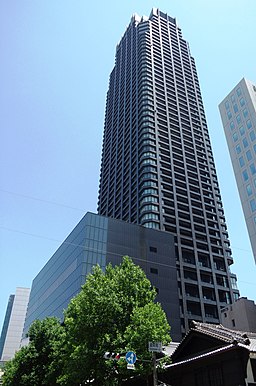
The Kitahama
The Kitahama: A Landmark of Modern Living and Commercial Excellence in Osaka
Located in the heart of Osaka, Japan, The Kitahama is a striking example of modern urban development that blends commercial, residential, and leisure spaces. The building stands out not only because of its innovative architectural design but also as an integral part of Osaka’s rapidly developing skyline. Combining luxury residential living, prime office space, and retail facilities, The Kitahama is an epitome of mixed-use development in one of Japan’s most vibrant cities.
Constructed with the intent to promote urban regeneration in the Kitahama district—an area that historically served as a financial and business center—the building is a reflection of Japan’s penchant for architectural excellence, sustainability, and functionality. Completed in the mid-2010s, The Kitahama is a landmark in the modern Osaka cityscape and continues to redefine what is possible in urban residential and commercial design.
Architectural Design and Concept
The Kitahama’s architectural design aims to merge form and function seamlessly. The building was designed by the internationally renowned Japanese architectural firm Nikken Sekkei, whose portfolio includes some of Japan’s most iconic structures. The design features a sleek and modern façade made of glass and metal, with a minimalist aesthetic that reflects Japan’s tradition of clean, simple lines while still showcasing a bold contemporary appeal.
The tower’s shape is defined by its smooth, angular contours that stand in contrast to the more traditional, rectangular office buildings that dominate the area. The use of reflective glass windows not only enhances the building’s modern appeal but also allows for impressive views of the city, particularly the Osaka skyline and the nearby Osaka Bay.
The building’s mixed-use nature is emphasized in its vertical zoning. The lower floors are dedicated to commercial office spaces, while the upper floors are devoted to luxury residential units. The combination of office and residential spaces within the same structure allows for a sense of community and ease of access for tenants who may work and live in the same building.
Technical Specifications and Structural Details
- Name: The Kitahama
- Location: Kitahama, Chūō Ward, Osaka, Japan
- Architect: Nikken Sekkei
- Construction Start: 2013
- Completion Date: 2016
- Height: 180 meters (590 feet)
- Floors: 42 floors above ground, 5 basement levels
- Total Floor Area: Approximately 130,000 square meters (1,399,310 square feet)
- Primary Use: Mixed-use (offices, residential apartments, retail, and dining)
- Structural System: Steel frame with reinforced concrete
- Facade: Glass curtain wall with steel elements
- Foundation: Deep pile foundation system for seismic stability
- Elevators: High-speed elevator system with 18 units for rapid vertical transportation
- Parking: Multi-level underground parking system
- Seismic Design: Advanced seismic design with damping systems
- Fire Safety: State-of-the-art fire suppression systems and emergency evacuation routes
- Sustainability Features: LEED Gold Certification, energy-efficient HVAC systems, rainwater harvesting, and high-performance glass for energy conservation
Engineering and Structural Innovation
The Kitahama is an impressive feat of modern engineering, particularly in how it addresses Osaka’s seismic activity. Japan’s geographic location along the Pacific Ring of Fire requires that all high-rise buildings adhere to some of the strictest earthquake-resistant standards in the world. The Kitahama meets these requirements with advanced seismic isolation systems, ensuring that the building remains stable even during significant seismic events.
One of the standout features of the building’s design is the integration of a damped core system, which helps reduce vibrations caused by both seismic movements and strong winds. The building is also designed with an active energy dissipation system, which helps to minimize swaying and ensures tenant comfort even in extreme weather conditions.
The foundation system is also designed to handle the soft ground typical of the Osaka Bay area. A deep pile foundation anchors the building to bedrock, providing the stability needed for such a tall structure. The use of reinforced concrete and steel in the superstructure allows for both flexibility and durability, which is critical given the region’s potential for seismic activity.
In terms of vertical circulation, The Kitahama is equipped with a high-speed elevator system, including both local and express elevators. These elevators are designed to efficiently transport tenants to their respective office or residential floors. The use of smart elevator technology optimizes the flow of traffic and reduces waiting times during peak hours.
Residential and Commercial Integration
The Kitahama is a prime example of successful mixed-use development, where residential, commercial, and recreational spaces coexist under one roof. The building features luxury apartments, which take up the upper levels of the tower, providing stunning views of the city and Osaka Bay. These residences offer state-of-the-art amenities, including high-end finishes, modern kitchens, and expansive living areas. The design prioritizes open-plan layouts, maximizing the amount of natural light and creating a spacious, airy feel.
The lower floors of The Kitahama are dedicated to premium office spaces, which are leased to global corporations, local businesses, and startups. These office spaces are designed to meet the highest standards, offering flexible floor plates, modern technological infrastructure, and a business-friendly environment. Additionally, the commercial section of the building includes retail outlets, dining options, and cafes, which enhance the building’s appeal to both tenants and the general public.
This integration of different functions within one tower is part of a broader trend in global urban design, where the emphasis is on creating spaces that offer a variety of activities and services in a single location. The Kitahama exemplifies this trend, with its mix of living, working, and leisure spaces, providing ultimate convenience for residents and employees alike.
Sustainability and Green Design
As sustainability becomes an increasingly important consideration in modern architecture, The Kitahama has been designed with an array of eco-friendly features that help minimize its environmental impact. The building holds a LEED Gold Certification—a prestigious international standard for sustainable building practices.
Key sustainable design features include:
- Energy-Efficient HVAC Systems: The Kitahama is equipped with high-efficiency heating, ventilation, and air-conditioning systems that reduce energy consumption while maintaining a comfortable interior environment.
- Rainwater Harvesting: The building has been designed with systems that collect rainwater for use in landscaping and non-potable applications, reducing the overall demand on municipal water systems.
- High-Performance Glass: The use of low-emissivity glass helps minimize solar heat gain, reducing the need for air conditioning and improving overall energy efficiency.
- Green Roofs and Vertical Gardens: The Kitahama features a green roof that supports biodiversity, provides thermal insulation, and contributes to the overall aesthetic appeal of the building.
These green features not only help reduce the building’s ecological footprint but also provide long-term cost savings for tenants by reducing utility expenses.
Cultural and Economic Impact
The Kitahama has had a significant impact on the Osaka skyline and the Kitahama district. As part of a broader urban regeneration project in the area, it has contributed to revitalizing the once-overlooked district into a bustling business and residential hub. The presence of such a large-scale, high-end development has attracted other businesses and residents, helping to transform Kitahama into a sought-after address.
The building also adds to Osaka’s reputation as a global business city. By offering both office spaces and luxury residences, The Kitahama appeals to high-level executives and international businesses seeking a prestigious address in one of Japan’s most important economic centers.
Additionally, the tower has had a positive effect on the local economy. It has created jobs in both the construction phase and its ongoing operations, as well as boosting local businesses in the area, including restaurants, retail outlets, and service providers.
Conclusion
The Kitahama is more than just a skyscraper; it is a modern landmark that embodies the spirit of Osaka’s growth and transformation. With its combination of cutting-edge design, sustainable features, and mixed-use functionality, it serves as a prime example of the potential of vertical living and working in a densely populated urban environment. Its architectural boldness, coupled with its strategic location in the heart of Osaka, ensures that it will remain a key fixture in the city’s skyline for many years to come. The Kitahama not only redefines the architectural and commercial landscape of Kitahama but also represents the future of integrated urban living in Japan.
