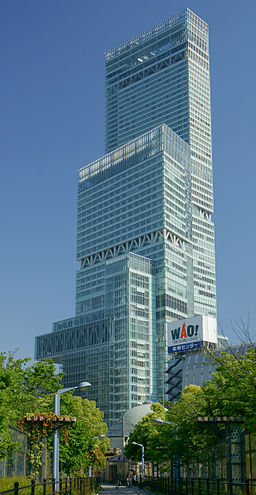
Abeno Harukas
Abeno Harukas: The Iconic Skyscraper of Osaka
In the bustling city of Osaka, Japan, one structure stands out in the skyline as both a modern marvel and a symbol of the city’s forward-thinking spirit: Abeno Harukas. Standing as the tallest building in Japan and a beacon of urban development, Abeno Harukas is not just a skyscraper but a landmark that encapsulates Osaka’s ambition, economic strength, and cultural evolution.
From its impressive height and innovative design to its role as a multi-purpose complex, Abeno Harukas serves as a key player in Osaka’s urban landscape. This article will explore the tower’s construction, its design features, the various functions it serves, and its impact on both the local and global stage.
Introduction to Abeno Harukas
Located in the Abeno district of Osaka, Abeno Harukas was completed in 2014, and at 300 meters (984 feet) tall, it is the tallest building in Japan, surpassing even the renowned Tokyo Skytree in height. The name “Harukas”, which is derived from the Japanese word “haruka,” meaning “to brighten” or “to clear up,” reflects the tower’s aspiration to become a beacon of the city’s bright future.
Abeno Harukas is part of a larger urban development plan to rejuvenate the Abeno area, transforming it into a thriving commercial and cultural hub. The building itself combines office spaces, a hotel, retail outlets, restaurants, and an observation deck, making it a multi-functional complex that serves both local residents and international visitors alike.
Design and Architecture of Abeno Harukas
The design of Abeno Harukas is a product of Kisho Kurokawa, a renowned Japanese architect known for his innovative approach to architecture, particularly in blending traditional Japanese design principles with modern technology. The tower’s design features both functional and aesthetic elements, creating a space that is both practical and strikingly beautiful.
- The Structure and Materials:
- Abeno Harukas is a 54-story skyscraper with an expansive 5-story underground section, offering more than 270,000 square meters of usable space. The building’s frame is constructed from reinforced concrete and steel, designed to withstand the challenges posed by Japan’s seismic activity. In the event of an earthquake, the structure incorporates advanced damping systems to minimize vibrations and ensure the building’s safety and stability.
- The Exterior Facade:
- The exterior of Abeno Harukas is characterized by its sleek, glass-and-steel facade, with large glass panels that allow natural light to flood the interior spaces. The reflective glass panels also help to reduce energy consumption by minimizing heat absorption while providing panoramic views of Osaka and the surrounding area. The clean, minimalist design of the tower offers a sense of lightness despite its immense height, with the facade gently curving as it rises, giving the structure a sense of elegance and fluidity.
- Architectural Symbolism:
- The design of Abeno Harukas is often regarded as a perfect blend of modernity and tradition. The use of glass and steel represents contemporary, cutting-edge architecture, while the overall silhouette evokes the imagery of traditional Japanese pagodas and towers, creating a sense of balance between past and present. This symbolism is fitting, as Abeno Harukas not only showcases the city’s modern ambitions but also serves as a tribute to Japan’s rich architectural history.
The Multi-Functional Complex
One of the key features of Abeno Harukas is its multi-functional nature, which makes it an integrated part of Osaka’s cityscape, catering to a wide range of needs from businesses and tourists to locals and residents. The tower offers various facilities and services across its different levels, including:
- Office Spaces:
- The lower floors of Abeno Harukas are dedicated to office spaces, providing a home for many companies, especially in fields like finance, technology, and retail. The office floors are equipped with state-of-the-art technology, and the open-plan layouts maximize space efficiency. These areas are designed to foster creativity, collaboration, and productivity, with large windows offering stunning views of the city and surrounding areas, providing natural light to the workplace.
- The Hotel:
- The Harukas 300 Hotel, located on the upper floors, is a luxury hotel offering world-class amenities and service. It features a mix of guest rooms, suites, and penthouses, each designed with an emphasis on comfort and modern elegance. The hotel is a popular destination for both business and leisure travelers, offering panoramic views of Osaka, as well as quick access to nearby attractions, shopping districts, and transportation networks.
- The Retail Complex:
- Abeno Harukas also boasts an extensive retail area, which spans several floors of the building. The Abeno Harukas Kintetsu Department Store, one of the largest department stores in Osaka, is located within the tower. The department store offers a wide variety of high-end fashion, electronics, home goods, and gourmet food products. Additionally, there are numerous restaurants, cafes, and bars offering both local and international cuisines, catering to a diverse range of tastes and preferences.
- The Observation Deck:
- Perhaps one of the most popular features of Abeno Harukas is the Harukas 300 Observation Deck, located on the 58th, 59th, and 60th floors. As the highest observation deck in Japan, it offers 360-degree views of Osaka, including breathtaking vistas of the city’s skyline, the Osaka Bay, and even as far as Kobe and Kyoto on clear days. The observation deck also features interactive displays that provide information about the city’s landmarks, history, and geography, making it a great place for both tourists and locals to experience Osaka from above.
- Art and Cultural Spaces:
- Abeno Harukas is also home to the Abeno Harukas Art Museum, which showcases rotating exhibits of both traditional and contemporary Japanese art. The museum adds a cultural dimension to the building, making it a destination for those interested in the arts and offering visitors a chance to experience Japanese heritage alongside its modern developments.
Impact on Osaka’s Urban Landscape
Since its completion, Abeno Harukas has become a significant addition to Osaka’s skyline, contributing not only to the city’s architectural diversity but also to its economic development and tourism industry. As the tallest building in Japan, it has reshaped the way people view the city, both locally and internationally. Here are a few ways Abeno Harukas has impacted the Osaka region:
- Economic Growth:
- The construction of Abeno Harukas has played a key role in revitalizing the Abeno district, which was once an older, less-developed part of the city. The tower has attracted investment and businesses, helping to modernize the area and create jobs. Its multi-purpose design allows for a variety of functions, making it a versatile asset to the local economy. Additionally, the department store and hotels have drawn more tourists, contributing to the local retail, hospitality, and service industries.
- Tourism and International Recognition:
- Abeno Harukas has helped to raise Osaka’s profile on the global stage. The observation deck and the associated cultural offerings have drawn millions of tourists to the city, eager to experience its sweeping views and unique urban features. The building is now considered a must-see destination for visitors to Osaka, making it a key player in the city’s tourism sector.
- Sustainable Urban Development:
- The construction of Abeno Harukas also underscores Japan’s commitment to sustainable urban development. With its advanced energy-saving systems, rainwater harvesting, and green building practices, the tower serves as a model for future skyscraper designs in Japan and around the world. The building’s integration of environmentally friendly technologies helps reduce its carbon footprint, making it an example of how modern cities can grow sustainably.
Conclusion
Abeno Harukas is more than just a towering structure in Osaka’s skyline. It represents the city’s drive to modernize, grow, and evolve while respecting its cultural heritage. As Japan’s tallest building, Abeno Harukas is a symbol of Osaka’s economic power, architectural creativity, and commitment to sustainability.
With its innovative design, multi-functional spaces, and stunning observation deck, Abeno Harukas is not just a destination but a testament to the future of urban living. Whether you are looking for world-class shopping, breathtaking views, or a comfortable place to stay, Abeno Harukas offers something for everyone. As Osaka continues to grow and develop, Abeno Harukas will undoubtedly remain at the center of the city’s identity—a shining example of the limitless potential of modern architecture and urban design.
