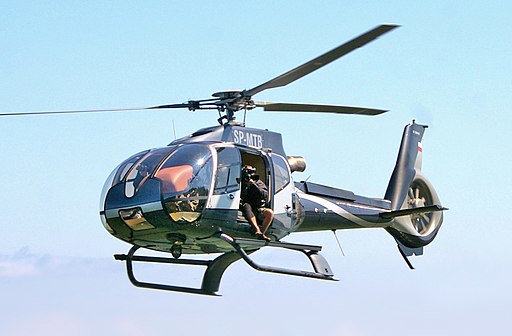
Eurocopter EC130
Eurocopter EC130: A Modern, Versatile Light Utility Helicopter
The Eurocopter EC130, also known as the Airbus H130 in more recent variants, represents a significant advancement in light utility rotorcraft design. Renowned for its blend of performance, comfort, and economic operation, the EC130 has become a preferred choice for a wide range of applications—from scenic tourism and corporate transport to law enforcement and emergency medical services. Its innovative design, including a wider fuselage and a noise-reducing Fenestron tail rotor, distinguishes it from its predecessors and competitors alike.
Historical Background and Design Evolution
Origins and Market Demands
Developed as an evolution of the highly successful AS350 Ecureuil (known in some regions as the AStar), the EC130 was introduced at the turn of the millennium with a clear mission: to provide an ultra-modern, efficient, and comfortable light helicopter that could meet the growing demands of both civil and parapublic operators. Its development was driven by a need for quieter operation in urban environments, enhanced passenger comfort with panoramic views, and lower operating costs through improved aerodynamic and drivetrain efficiency.
Key Innovations
Several design features set the EC130 apart from earlier models:
- Wider Fuselage: The EC130 features an enlarged cabin that not only increases comfort but also allows for a more versatile interior configuration. This spacious design is particularly appreciated in tourism, VIP, and training operations.
- Fenestron Tail Rotor: Replacing the traditional exposed tail rotor, the Fenestron design encapsulates the rotor blades within a shrouded housing. This innovation dramatically reduces noise emissions—by up to 50% compared to conventional tail rotors—enhancing safety, especially in densely populated or noise-sensitive areas.
- Advanced Avionics and FADEC: Incorporating modern digital displays and a sophisticated FADEC (Full Authority Digital Engine Control) system, the EC130 offers pilots enhanced situational awareness and reduced workload. These systems ensure that engine performance is optimized automatically for a variety of flight conditions.
Technical Specifications
The Eurocopter EC130 is built to exacting standards, balancing performance with economic efficiency. Below are the detailed technical parameters that highlight its capabilities.
Dimensions and Structural Data
Fuselage and Cabin
- Fuselage Length: Approximately 10.68 meters The compact yet efficient design allows the EC130 to operate from confined helipads while maximizing the interior space.
- Cabin Configuration: Typically configured to accommodate one pilot and up to six or even seven passengers in some variations, the cabin is designed with expansive panoramic windows that provide excellent external visibility.
- Overall Height: Approximately 3.34 meters This height facilitates easy ground handling and efficient loading operations.
Rotor System
- Main Rotor Diameter: About 10.69 meters The large rotor diameter is optimized to deliver superior lift and stability, supporting both high-performance maneuvers and steady, efficient cruise flight.
- Tail Rotor Diameter: Roughly 1.00 meter The Fenestron tail rotor provides effective anti-torque while contributing to the helicopter’s notably quiet operation.
Weight Data
- Empty Weight: Approximately 1,360 kilograms The use of advanced composite materials and lightweight alloys ensures that the EC130 maintains a competitive empty weight, contributing to overall performance and fuel efficiency.
- Maximum Takeoff Weight (MTOW):
- EC130 B4 Variant: Approximately 2,427 kilograms
- H130 T2 Variant: Up to about 2,500 kilograms The generous MTOW allows for significant payload flexibility, whether configuring the helicopter for passengers, cargo, or specialized mission equipment.
Engine and Propulsion System
The performance of the EC130 is underpinned by a state-of-the-art turboshaft engine and supporting control systems:
- Engine Model: Typically powered by a Safran Arriel 2D turboshaft engine.
- Engine Power: Around 952 horsepower (approximately 709 kW) This robust power output ensures that the rotorcraft can perform admirably in a range of operational environments, including high-altitude or hot and high conditions.
- FADEC System: The dual-channel FADEC unit, supplemented by a third independent channel for engine control, ensures smooth engine operation, automatic adjustments for optimum performance, and enhanced safety during flight.
Performance Metrics
The EC130’s performance parameters make it an excellent choice for both urban and extended mission profiles:
- Cruising Speed: Typically between 230 and 240 km/h (approximately 124–130 knots). This speed allows for rapid transit over short distances while conserving fuel on longer flights.
- Maximum Speed (V<sub>NE</sub>): Around 287 km/h (roughly 155 knots). This figure represents the upper threshold of the helicopter’s capability, ensuring that it can meet time-sensitive mission requirements.
- Range: Approximately 610 kilometers (about 330 nautical miles) on a standard fuel load. This range enables regional operations without the need for frequent refueling stops.
- Endurance: Up to 4 hours of flight time under optimal conditions, making it well-suited for missions such as aerial tours, law enforcement patrols, and medevac operations.
- Service Ceiling: Around 7,010 meters (approximately 23,000 feet), allowing the helicopter to operate effectively in high-altitude environments.
- Rate of Climb: Approximately 698 meters per minute (or about 2,290 feet per minute), ensuring rapid altitude gain necessary for emergency responses or evasive maneuvers.
Avionics and Integrated Systems
Digital Cockpit and Instrumentation
The cockpit of the EC130 is a model of modern aerospace design:
- Electronic Flight Instrument System (EFIS): The integrated digital displays provide pilots with clear, real-time data on flight parameters, navigation, and engine performance. This system simplifies complex flight data into user-friendly information.
- VEMD (Vehicle and Engine Multifunction Display): This dedicated display system shows critical engine and aircraft status information, aiding in proactive maintenance and troubleshooting.
- Cockpit Ergonomics: Layout and control interfaces are designed for simplicity and ease-of-use, allowing even less experienced pilots to operate the helicopter effectively.
Communication and Navigation
- Integrated Communication Systems: High-quality radio and data link systems ensure seamless connectivity between the crew, ground control, and other aviation assets.
- Advanced Navigation: GPS-based navigation, alongside conventional systems, assists in precision flying during challenging weather conditions and in low-visibility scenarios.
- Autonomous Flight Support: The autopilot system, integrated with the FADEC and flight management systems, contributes to reduced pilot workload during long journeys or in complex flight paths.
Operational Capabilities and Mission Flexibility
Versatility in Applications
The Eurocopter EC130 is celebrated for its wide range of applications. Its design facilitates versatility and rapid mission adaptation:
- Tourism and Scenic Flights: The expansive, panoramic windows and spacious cabin make the EC130 an ideal platform for sightseeing and tourism operations, offering passengers breathtaking views.
- Flight Training: Owing to its forgiving flight characteristics, modern avionics, and robust safety features, the EC130 is extensively employed by flight schools to train the next generation of pilots.
- Law Enforcement and Public Safety: Its low-noise operation and agile performance are valuable assets in urban police work, search and rescue, and emergency medical services.
- VIP and Corporate Transport: The helicopter’s comfort, combined with its corporate interior options and low operating noise, makes it a suitable vehicle for executive travel and special missions.
Payload and Cabin Flexibility
- Passenger Capacity: Common configurations accommodate one pilot and up to six passengers. Some variants offer seating flexibility to include up to seven passengers, depending on specific customer requirements.
- Cabin Reconfiguration: The spacious interior can be quickly adapted to suit passenger transport, limited cargo carriage, or even specialized training setups. This flexibility is one of the key factors behind the EC130’s sustained popularity.
- Ergonomic Interior: Emphasis on passenger comfort is evident in the design of the cabin—ample headroom, large windows for natural light, and a quiet operating environment all contribute to a superior in-flight experience.
Variants and Future Developments
Evolution Within the EC130 Family
Since its inception, the EC130 has evolved through several variants to incorporate technological improvements and respond to market feedback. Notable variants include:
- EC130 B4: A variant that builds on the established features of the EC130 while integrating the latest engine and avionics technologies to further enhance performance and safety.
- H130 T2: This newer designation reflects continuous improvements in structural and system design, ensuring that the helicopter meets the highest modern standards for reliability, efficiency, and passenger comfort.
Future Enhancements
Looking ahead, Airbus Helicopters continues to invest in research and development to enhance the EC130 platform:
- Avionics Upgrades: Ongoing advancements in digital instrumentation and cockpit integration promise even greater situational awareness and operational efficiency for future EC130 models.
- Engine and Fuel Efficiency: Efforts to further refine the FADEC and engine performance are expected to yield additional fuel savings and extend the helicopter’s operational range.
- Noise Reduction Technologies: Continued innovation in rotor design and acoustic dampening may further reduce the already low noise levels, increasing the EC130’s suitability for urban missions and environmentally sensitive areas.
Conclusion
The Eurocopter EC130 stands as a prime example of modern rotorcraft engineering, blending advanced technologies with practical design to create a helicopter that is both versatile and efficient. With its robust technical specifications—including a powerful Safran Arriel 2D engine producing nearly 952 horsepower, a spacious cabin with panoramic views, and exceptional performance metrics such as a cruising speed of approximately 230–240 km/h, a service ceiling of around 7,010 meters, and a range of about 610 kilometers—the EC130 meets the demands of diverse operations. Its quiet Fenestron tail rotor, sophisticated avionics systems, and flexible cabin configurations further ensure that it remains a preferred platform for flight training, tourism, law enforcement, and corporate transport.
