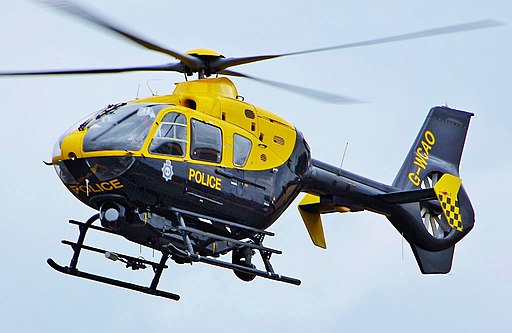
Eurocopter EC135
Eurocopter EC135: A Pinnacle of Light Utility Helicopter Engineering
The Eurocopter EC135 is a state-of-the-art twin-engine light utility helicopter that has established itself as one of the most versatile and reliable rotorcraft in the world. Designed for a variety of missions—from emergency medical services (EMS) and law enforcement to corporate transport and pilot training—the EC135 embodies advanced technology, exceptional performance, and an innovative design philosophy. Its widespread adoption across the globe is a testament to its operational excellence and adaptability.
Development and Design Evolution
Historical Background and Origins
The evolution of the EC135 began in the late 1980s, emerging from the legacy of earlier light helicopters such as the MBB Bo 108—a technology demonstrator that combined advances from the famous Bo 105 with modern innovations. As Eurocopter (now Airbus Helicopters) joined forces with industry pioneers, the design was refined into a new platform that addressed growing market demands for greater safety, efficiency, and versatility in light rotorcraft.
From its maiden flight in February 1994 to its certification and subsequent global entry into service in 1996, the EC135 quickly became recognized for its user-friendly controls, reduced noise signature, and flexible cabin. These attributes have made it extremely popular among civil operators and parapublic agencies alike.
Design Philosophy and Key Innovations
The design philosophy behind the EC135 focuses on three primary objectives:
- Safety and Simplicity: The helicopter is engineered to be easy to operate and maintain. Its digital automatic flight control system (AFCS) and full-authority digital engine control (FADEC) significantly reduce pilot workload and enhance flight safety.
- Versatility: With a spacious, configurable cabin and numerous avionics options, the EC135 can be quickly adapted for a multitude of missions—whether transporting patients in medevac operations, conducting law enforcement patrols, or providing executive transport.
- Performance and Efficiency: Advanced aerodynamic design, together with powerful yet efficient turboshaft engines, allows the EC135 to deliver excellent performance even under challenging operational conditions such as high-altitude or hot weather environments.
Technical Specifications
The robust technical parameters of the Eurocopter EC135 underline its role as an industry benchmark. While specific numbers can vary slightly between variants, the following figures represent typical specifications for the modern EC135 fleet.
Dimensions and Weight
Fuselage and Cabin
- Fuselage Length: Approximately 10.2 to 12.1 meters The design optimizes both external aerodynamics and internal space, ensuring that even small helipads can accommodate the aircraft while providing a roomy cabin for passengers.
- Overall Height: Around 3.55 meters This compact height facilitates efficient ground handling and simplifies boarding and disembarkation procedures.
- Cabin Configuration: Generally configured to carry a single pilot and up to 6–7 passengers, with flexible interior arrangements that can be modified for medevac, VIP transport, or training missions.
Rotor System and Structural Details
- Main Rotor Diameter: Approximately 10.20 meters The four-blade rotor, designed with precision aerodynamics, delivers optimal lift and stability.
- Tail Rotor: Often integrated as a Fenestron (shrouded tail rotor) in many variants, significantly reducing noise emissions and enhancing safety.
- Empty Weight: Around 1,490 kilograms The use of advanced composite materials and lightweight alloys contributes to a lower empty weight, which in turn improves fuel efficiency and overall performance.
- Maximum Takeoff Weight (MTOW): Approximately 2,835 kilograms This weight envelope ensures a healthy payload margin, allowing for additional equipment, fuel, and passengers depending on mission requirements.
Propulsion and Performance
Engine Options
The EC135 is typically powered by twin turboshaft engines, which provide the necessary thrust and reliability for diverse operational profiles:
- Engine Models: Operators can choose between engines such as the Pratt & Whitney Canada PW206B2 and the Turbomeca Arrius 2B1A.
- Engine Power: Each engine delivers roughly 530 kW (711 shp), providing the necessary performance for operations in challenging conditions.
Performance Metrics
- Cruising Speed: Approximately 254 km/h (137 knots) This speed balances efficiency with timely mission execution, making it ideal for both short-range and extended operations.
- Maximum Speed (V<sub>NE</sub>): About 259 km/h (140 knots) The EC135 can safely operate at higher speeds when needed during critical phases of flight.
- Service Ceiling: Up to around 6,096 meters (20,000 feet) This high ceiling ensures that the helicopter remains capable even in mountainous or high-altitude environments.
- Rate of Climb: Roughly 457 meters per minute (1,500 feet per minute) A strong rate of climb is essential for rapid altitude gain during search and rescue, emergency response, or tactical deployments.
- Range: Approximately 665 kilometers (359 Nautical Miles) Sufficient for intra-regional missions and ensures the helicopter can cover significant distances without refueling.
Avionics and Flight Systems
The EC135 is equipped with a suite of modern avionics that enhance safety, efficiency, and situational awareness:
- Digital Flight Instrumentation: Integrated EFIS displays provide real-time flight data, navigation information, and engine performance metrics in a clear, pilot-friendly format.
- Automatic Flight Control System (AFCS): This sophisticated system, combined with FADEC, streamlines engine operation and flight management, reducing pilot workload.
- Communication and Navigation: The helicopter features state-of-the-art radios, GPS, and data-link systems, enabling seamless connectivity with air traffic control and ground support units.
- Flight Management Software: Advanced software aids in route planning, fuel management, and adherence to both VFR (Visual Flight Rules) and IFR (Instrument Flight Rules), ensuring that the EC135 can safely conduct a wide range of mission profiles.
Operational Roles and Mission Flexibility
Multi-Mission Capabilities
The EC135’s design and technical specifications make it exceptionally adaptable to diverse operational roles:
- Emergency Medical Services (EMS): Its spacious, reconfigurable cabin is ideal for medevac missions, allowing for the rapid installation of medical equipment and ease of patient transfer.
- Law Enforcement and Public Safety: The helicopter’s quiet operation (bolstered by the Fenestron tail rotor) and agile handling make it well suited for urban patrols, surveillance, and tactical support.
- Commercial and VIP Transport: With superior passenger comfort, expansive panoramic windows, and an ergonomic cabin layout, the EC135 delivers a premium experience for executive travel and charter services.
- Pilot Training: Its forgiving handling characteristics and advanced digital cockpit systems offer an excellent platform for both initial flight training and advanced operational proficiency.
Global Market Impact
Since its introduction, the EC135 has garnered widespread acceptance and is in service with over 300 operators across 60 countries. Its proven track record in demanding environments—from densely populated cities to remote regions—underscores its global appeal and operational versatility.
Variants and Future Enhancements
Key Variants of the EC135
The EC135 has been refined into several variants to meet specific operational requirements:
- EC135 P-Series: Optimized for private and commercial use, with configurations tailored for corporate transport and executive travel.
- EC135 T-Series: Typically used for public safety and EMS operations, featuring additional equipment and modifications to meet mission-specific demands.
- Military Variants (EC635): Adapted for military applications, these models often incorporate advanced avionics and defensive systems, providing operational flexibility in tactical situations.
Ongoing Development and Upgrades
Airbus Helicopters continually invests in the evolution of the EC135 series to further enhance its capabilities:
- Avionics Modernization: Future upgrades are expected to integrate even more sophisticated digital systems, further reducing pilot workload and expanding mission flexibility.
- Performance Enhancements: Advances in engine technology and aerodynamic refinements promise improved fuel efficiency, extended range, and higher performance in harsh operating conditions.
- Cabin Innovations: Enhancements in interior design and passenger comfort are anticipated to maintain the EC135’s competitive edge in VIP and corporate transport markets.
Conclusion
The Eurocopter EC135 stands as a premier example of light utility helicopter design, balancing advanced technology with operational versatility. With its twin-engine configuration, state-of-the-art digital avionics, and multiple cabin configurations, the EC135 fulfills a diverse range of mission requirements—from emergency medical services and law enforcement to corporate transport and pilot training.
Its technical specifications—including a cruising speed of around 254 km/h, a service ceiling of approximately 6,096 meters, and an operational range of roughly 665 kilometers—coupled with its refined design elements such as the Fenestron tail rotor and modern FADEC-controlled engines, underscore its reliability and efficiency. As global aviation demands continue to evolve, the Eurocopter EC135 remains a trusted workhorse and an enduring symbol of innovative helicopter engineering, poised to serve as a critical asset in aerial operations for years to come.
.jpg)