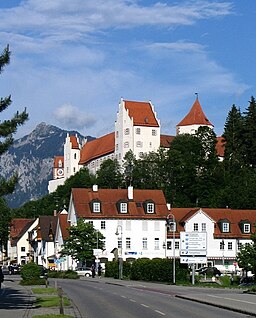
Hohes Schloss Füssen
Nestled atop a rocky outcrop overlooking the Lech River and the picturesque town of Füssen, Hohes Schloss captures the imagination from the very first glance. With its soaring towers, ornate facades, and vibrant frescoes, this late Gothic stronghold stands as one of Bavaria’s best-preserved medieval residences. Whether you’re a history buff, an art enthusiast, or simply someone chasing unforgettable views, a visit here feels like stepping into a living fairy tale.
Historical Background
Origins and Early Construction
The story of Hohes Schloss begins in the 13th century, when the Prince-Bishops of Augsburg sought a formidable residence near the Alpine frontier. Initial fortifications rose around 1270, designed to assert ecclesiastical authority and control trade routes crossing the Alps. These early stone walls and towers laid the groundwork for a complex that would evolve over centuries.
Expansion under the Prince-Bishops
Between the 15th and 16th centuries, under Prince-Bishops like Friedrich II and Heinrich von Knöringen, the castle underwent its most dramatic transformation. Gothic walkways, spiral staircases, and a three-winged layout emerged, blending defensive features with comforts suitable for princely courts. The famous arcaded gallery—adorned with colorful stucco—dates from this era, testifying to both the wealth of the bishopric and the artistic ambitions of the Renaissance.
Architectural Features
Exterior and Fortifications
From the valley floor, Hohes Schloss looks like a maze of battlements and battlemented towers, each angle offering a new photo opportunity. The main gate, flanked by cylindrical guard towers, once controlled access via a drawbridge. Behind it, the curtain wall sweeps westward, integrating natural rock ledges into its defenses. These elements speak to a time when every inch of high ground mattered in the struggle for power.
Interior Design and Frescoes
Stepping inside, you’re greeted by halls decked in layers of frescoes that chart decades of artistic trends. The Knight’s Hall boasts intricate biblical scenes alongside coats of arms—visual manifestations of piety and prestige. In the “Princes’ Apartments,” you’ll find mythological motifs painted in pastel tones, merging Gothic solemnity with early Renaissance grace. Strolling through these rooms, you sense how each generation left its mark in stone and pigment.
The Bavarian State Picture Gallery
Highlights of the Collection
Since the early 20th century, Hohes Schloss has housed the Bavarian State Picture Gallery’s secondary collection. Here, you can wander through rooms dedicated to:
- Baroque masters like Peter Paul Rubens, whose dynamic compositions burst with color and movement.
- Romantic painters such as Caspar David Friedrich, capturing misty Alpine vistas that echo the castle’s surroundings.
- 19th-century Bavarian artists who championed local landscapes and folk traditions.
Each piece interacts with its medieval setting, creating a dialogue between architectural Gothic and painterly Romanticism.
Restoration and Conservation
Preserving centuries-old frescoes and paintings atop a windswept cliff is no small feat. Ongoing conservation efforts involve climate-controlled rooms, gentle LED lighting, and painstaking cleaning techniques. Experts work behind the scenes to stabilize crumbling plaster and prevent moisture damage, ensuring that future visitors experience the castle’s beauty as vividly as those in its heyday.
Visiting Hohes Schloss Füssen Today
Guided Tours and Experiences
To unlock the secrets held within its walls, consider joining a guided tour. Knowledgeable guides weave tales of ecclesiastical intrigue, border skirmishes, and artistic rivalries. For a deeper dive, special thematic tours explore:
- Medieval defense strategies and the daily life of castle guards.
- Baroque art symbolism and hidden iconography in the Picture Gallery.
- Folklore surrounding the castle—ghost stories included.
Practical Information and Tips
A seamless visit hinges on a little planning. Here are some quick pointers:
- Hours: Open daily; seasonal variations apply. Check the official website for current times.
- Tickets: Combination passes often cover other regional attractions like Neuschwanstein, offering value if you’re castle-hopping.
- Accessibility: While the ground floors are wheelchair-friendly, upper ramparts and towers involve uneven stone steps.
- Photography: Enthusiasts will want their cameras ready—interiors allow non-flash photography, while outdoor views reward sunrise and late-afternoon light.
- Nearby Amenities: Cafés and artisan shops in Füssen’s town center are just a short stroll away. Fuel up on Bavarian pastries before your climb.
Cultural Significance and Influence
Hohes Schloss Füssen stands at the crossroads of political power, artistic innovation, and Alpine commerce. As the former seat of bishopric authority, it shaped regional identity for centuries. Today, it anchors the town’s cultural life—hosting classical concerts in its courtyard, medieval markets on its terraces, and temporary exhibitions that bridge past and present. Its silhouette against the mountains continues to inspire painters, writers, and dreamers from around the world.
Conclusion
A day at Hohes Schloss Füssen offers more than photos and history lessons—it invites you to become part of an unfolding narrative. From Gothic ramparts to Romantic canvases, the castle’s layers reveal how art and power intertwine. Plan your visit, lose yourself in its frescoed halls, and let the panoramic vistas remind you why this hilltop stronghold has enchanted souls for over seven centuries.
