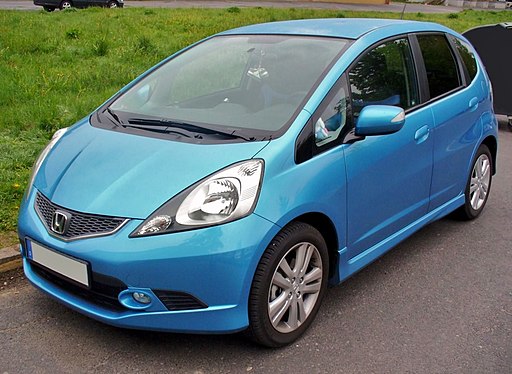
Honda Jazz as a Used Car – A Complete Guide for Smart Buyers
The Honda Jazz has earned a unique position in the used-car market because it proves that a small car does not have to mean limited practicality, poor comfort, or basic engineering. Since its introduction in Europe at the beginning of the 2000s, the Jazz has become one of Honda’s most successful compact models, attracting buyers who value reliability, clever design, low running costs, and exceptional interior space. Although it is classified as a small hatchback, the Jazz often provides a level of practicality that rivals much larger vehicles.
For used-car buyers, the Honda Jazz represents one of the safest choices in the compact-car segment. It combines Honda’s reputation for dependable engines with excellent fuel economy and a remarkably flexible interior. Many owners keep their Jazz models for many years because the vehicle is inexpensive to operate, easy to drive in urban environments, and surprisingly comfortable on longer journeys. Unlike some small cars that focus mainly on low purchase prices, the Jazz was engineered with long-term ownership in mind.
The used Honda Jazz market includes several generations, each offering different advantages. Earlier models are affordable, mechanically simple, and extremely durable, while newer versions provide improved safety technology, hybrid powertrains, and more modern equipment. Choosing the right Jazz requires understanding the differences between generations, engines, transmissions, and common maintenance concerns.
This article explores the Honda Jazz as a used car in detail, explaining its history, strengths, weaknesses, engine choices, reliability, ownership costs, common problems, and what buyers should look for before purchasing. Whether you need a first car, an economical commuter, a reliable city vehicle, or a practical small family car, the Honda Jazz deserves serious attention.
The History of the Honda Jazz
The Honda Jazz was introduced to the European market in 2002, although the model was known as the Honda Fit in many other regions around the world. Honda created the Jazz to compete in the increasingly popular compact hatchback segment, where buyers wanted affordable vehicles that were economical but still practical and comfortable.
From the beginning, Honda took a different approach compared with many competitors. Instead of creating a simple small hatchback with limited interior space, the company focused on intelligent packaging. The Jazz was designed around the idea that interior space matters more than exterior size. Its tall-body design, centrally positioned fuel tank, and innovative seating arrangement allowed Honda to create a cabin that felt much larger than expected.
The first-generation Jazz quickly gained a reputation for reliability and practicality. Owners appreciated its smooth petrol engines, excellent visibility, and flexible interior. It became particularly popular among urban drivers, older motorists, and small families who wanted maximum usability without moving to a larger vehicle.
Later generations continued improving the formula. Honda introduced better safety equipment, more refined interiors, improved fuel efficiency, and eventually hybrid technology. Despite these updates, the core philosophy remained unchanged: create a compact vehicle that provides outstanding everyday usefulness.
Why Consider a Used Honda Jazz?
Exceptional Reliability
Reliability is one of the biggest reasons buyers choose a used Honda Jazz. Honda has a long history of producing durable engines and transmissions, and the Jazz benefits from this engineering experience. Many examples remain dependable after very high mileage, provided they have received regular servicing throughout their lives.
The Jazz’s mechanical simplicity is another advantage. Compared with larger vehicles filled with complex systems, many Jazz models use straightforward and proven technology. This reduces the likelihood of expensive failures and makes maintenance easier for independent workshops.
However, reliability should never be assumed. A neglected Jazz can still develop problems, especially if previous owners ignored servicing. Buyers should always check maintenance records, oil-change history, and evidence of proper care before making a purchase.
Outstanding Interior Space
The Honda Jazz is famous for making clever use of available space. Although it is a small hatchback, its interior design allows it to carry passengers and luggage with impressive efficiency. Honda engineers focused on creating maximum usable room rather than simply making the exterior larger.
The key feature behind the Jazz’s practicality is Honda’s Magic Seat system. By placing the fuel tank beneath the front seats instead of under the rear seats, Honda created additional flexibility inside the cabin. The rear seats can fold in multiple ways, allowing owners to transport unusually tall or bulky items that would not fit in many competing hatchbacks.
This clever design makes the Jazz useful for many different lifestyles. It can serve as a commuter car during the week, a shopping vehicle, a small family car, or even a compact alternative to a larger estate vehicle for occasional carrying needs.
Low Running Costs
The Honda Jazz is one of the most economical cars to own in the used market. Small engines, lightweight construction, and efficient design contribute to low fuel consumption and affordable servicing.
Insurance costs are generally reasonable, particularly for smaller engine versions, making the Jazz attractive for younger drivers and those seeking affordable transportation. Tyres, brakes, and routine maintenance components are also typically cheaper than those of larger vehicles.
The Jazz’s reliability further reduces ownership costs because fewer unexpected repairs are likely when compared with many older compact cars. This makes it especially attractive for buyers who want predictable expenses.
Driving Experience of the Honda Jazz
The Honda Jazz is not designed as a performance car, but it provides a pleasant and confidence-inspiring driving experience. Its compact dimensions make it extremely easy to manoeuvre in cities, while the upright seating position provides excellent visibility.
The steering is light and accurate, making parking simple even in crowded urban environments. The suspension is tuned primarily for comfort, absorbing bumps effectively while maintaining good stability during normal driving.
On highways and longer journeys, the Jazz performs better than many people expect. The cabin remains comfortable, and the efficient engines provide enough performance for everyday use. However, drivers who frequently travel with a full load of passengers or luggage may prefer a larger engine option.
Honda Jazz Engine Options
Petrol Engines
Petrol engines have traditionally been the most common choice for Honda Jazz buyers. Honda’s small petrol engines are known for smooth operation, durability, and efficiency. They are particularly well suited to city driving, where frequent acceleration and low-speed operation are common.
The 1.2-litre and 1.4-litre petrol engines available in European markets provide a good balance between performance and economy. They are simple, reliable, and relatively inexpensive to maintain. Many examples can achieve very high mileage when serviced correctly.
Honda’s i-VTEC technology helps improve efficiency and performance by optimising valve operation. Regular oil changes are essential because these engines rely on precise engineering tolerances to maintain their excellent reputation.
Hybrid Engines
Later Honda Jazz generations introduced hybrid technology, combining a petrol engine with electric assistance to improve fuel economy. Hybrid Jazz models are particularly attractive for urban drivers because they perform extremely efficiently during stop-start traffic.
Honda’s hybrid systems are designed for smooth operation and long-term durability. However, buyers considering older hybrid examples should check battery condition and ensure that the hybrid system has been properly maintained.
Manual and Automatic Transmissions
Manual Honda Jazz models are generally regarded as simple and reliable. The gearboxes provide precise shifts, and clutch replacement costs are usually manageable.
Automatic versions require more careful evaluation. Some older models used Honda’s CVT transmission technology, which provides smooth and efficient operation when maintained correctly. Buyers should confirm that the correct transmission fluid has been used and that the gearbox operates smoothly without unusual noises or hesitation.
Honda Jazz Generations as Used Cars
First Generation Honda Jazz (2001–2008)
The first-generation Honda Jazz introduced European buyers to Honda’s unique approach to small-car design. It quickly became popular because it offered something many competitors lacked: genuine practicality in a compact package. Its tall body shape, excellent visibility, and clever interior layout made it feel much larger inside than its external dimensions suggested.
As a used car, the first-generation Jazz remains highly desirable because of its mechanical simplicity and outstanding reliability. The petrol engines are known for their durability, and many examples continue to perform well after years of daily use. The interior materials are hard-wearing, and the cabin often remains in good condition even after high mileage.
However, age is now the biggest consideration. Buyers should inspect these models carefully for corrosion, suspension wear, brake condition, and signs of poor maintenance. The CVT automatic versions require particular attention because transmission servicing is essential for long-term reliability. A well-maintained first-generation Jazz can still be an excellent economical vehicle, but condition is more important than mileage alone.
Second Generation Honda Jazz (2008–2015)
The second-generation Honda Jazz improved almost every aspect of the original model while keeping the same successful formula. It offered a more refined interior, improved driving comfort, better safety features, and updated engines. The design became more modern while retaining the excellent practicality that made the Jazz popular.
This generation is often considered one of the best used-car choices because it combines affordability with modern enough equipment. The cabin feels spacious, reliability remains excellent, and running costs are very low. Petrol engines are particularly attractive because they are simple, efficient, and proven over many years.
The second-generation Jazz is an ideal choice for buyers who want dependable transportation without the complexity of newer vehicles. It works especially well as a first car, city commuter, or economical family vehicle.
Third Generation Honda Jazz (2015–2020)
The third-generation Jazz brought a more sophisticated design, improved safety technology, and increased refinement. Honda continued developing the famous Magic Seat system, ensuring that practicality remained one of the vehicle’s greatest strengths.
This generation introduced more modern infotainment systems, improved interior materials, and better driving comfort. Hybrid versions became increasingly important in some markets, offering excellent efficiency for urban users.
Used examples remain attractive because they provide many modern features while maintaining Honda’s reputation for durability. Buyers should inspect electronic systems, infotainment functions, and hybrid components where fitted.
Fourth Generation Honda Jazz (2020 Onwards)
The latest Honda Jazz represents a more premium and technologically advanced interpretation of the original concept. It features improved safety systems, advanced hybrid technology in many European markets, and a more refined interior.
Although used examples remain more expensive because of their newer age, they offer excellent efficiency and a modern ownership experience. The hybrid system makes this generation particularly attractive for urban drivers who want low fuel consumption without choosing a fully electric vehicle.
Interior Practicality and the Magic Seat System
The Honda Jazz’s greatest advantage over many competitors is its interior flexibility. Honda understood that small-car buyers often need maximum usefulness from limited space, and the Jazz was designed around this principle. The vehicle’s clever architecture allows owners to carry passengers and cargo in ways that many larger hatchbacks cannot match.
The Magic Seat system is the highlight of the interior. By allowing the rear seats to fold in several different configurations, the Jazz can adapt to many situations. The seat bases can be raised to create additional vertical storage space, while the rear seatbacks can fold flat to create a large cargo area.
This flexibility is particularly useful for active owners. Items such as bicycles, plants, furniture pieces, large shopping purchases, or sports equipment can often be transported without needing a larger vehicle. For many owners, the Jazz replaces the need for a bigger car while maintaining low operating costs.
Passenger comfort is also impressive considering the vehicle’s size. The upright seating position provides good legroom and headroom, making the Jazz comfortable for adults in both front and rear seats. Large windows improve visibility and contribute to an airy cabin atmosphere.
Common Problems When Buying a Used Honda Jazz
CVT Transmission Concerns
Honda Jazz models equipped with CVT automatic transmissions can provide excellent smoothness and efficiency, but they require proper maintenance. Neglected transmission fluid changes may result in poor performance, vibration, or unusual noises.
During a test drive, buyers should pay attention to acceleration behaviour. The vehicle should move smoothly without hesitation or shuddering. Service records confirming correct CVT maintenance are extremely valuable when considering an automatic Jazz.
Suspension Wear
Because the Jazz is often used in urban environments, suspension components can experience significant wear over time. Potholes, speed bumps, and poor road surfaces can affect shock absorbers, bushes, and stabiliser links.
Suspension repairs are usually not excessively expensive, but they should be considered when purchasing an older example. Listen for knocking sounds and check whether the vehicle remains stable during cornering.
Clutch Wear
Manual Jazz models are generally reliable, but clutch wear is a normal consideration, especially on vehicles that have spent much of their life in city traffic. A worn clutch may cause slipping, difficulty changing gears, or unusual engagement behaviour.
A test drive should reveal whether the clutch operates smoothly. Replacement is a normal maintenance expense, but it should be included in the ownership budget if the vehicle has high mileage.
Rust and Body Condition
Although Honda improved corrosion protection over time, older Jazz models should still be checked carefully. Rust can appear around wheel arches, door edges, the underside, and areas exposed to road salt.
A careful inspection should also look for previous accident repairs. Uneven paint, mismatched panels, or unusual gaps between body parts may indicate poor-quality repairs.
Maintenance and Ownership Costs
The Honda Jazz is one of the cheapest small cars to own over the long term. Its combination of reliability, fuel efficiency, and affordable servicing makes it especially attractive to budget-conscious buyers. Routine maintenance is straightforward, and many independent workshops are familiar with Honda vehicles.
Regular oil changes are essential for maintaining engine reliability. Filters, brake components, tyres, and suspension parts should be replaced when necessary, but overall maintenance costs remain low compared with many competitors.
Hybrid versions require additional attention to the condition of the hybrid battery system, but Honda’s hybrid technology has generally proven durable. Buyers should ensure that hybrid models have complete service records and that warning lights are not present.
Used Honda Jazz Buying Checklist
- Check complete maintenance history.
- Verify regular engine oil changes.
- Inspect CVT transmission operation on automatic models.
- Check clutch condition on manual versions.
- Test all electrical equipment and infotainment features.
- Inspect suspension for noises and wear.
- Check body panels for rust or accident repairs.
- Confirm air conditioning performance.
- Inspect tyres and brakes.
- Arrange a professional inspection for older examples.
Honda Jazz Compared With Its Main Competitors
Honda Jazz vs Toyota Yaris
The Toyota Yaris is one of the Honda Jazz’s strongest competitors and shares many of the same qualities: reliability, efficiency, compact dimensions, and low ownership costs. Both cars are excellent choices for urban drivers, but they approach practicality differently. The Yaris focuses on a traditional small-car layout, while the Jazz places greater emphasis on interior flexibility and maximum usable space.
The Honda usually has the advantage when it comes to cabin versatility because of the Magic Seat system and its taller interior design. The Toyota often has a stronger reputation among hybrid buyers because of Toyota’s long experience with hybrid technology. However, both models are among the safest choices in the used compact-car segment.
Honda Jazz vs Volkswagen Polo
The Volkswagen Polo is another popular European alternative. It offers a more premium interior feel, refined road manners, and a wide range of engine choices. Many buyers appreciate the Polo’s solid construction and comfortable motorway performance.
The Honda Jazz responds with superior practicality and a reputation for exceptional reliability. While the Polo may feel more upscale, the Jazz is often the better long-term ownership choice because of its durability and lower risk of expensive repairs.
Honda Jazz vs Ford Fiesta
The Ford Fiesta has traditionally been praised as one of the best-handling small cars available. It offers excellent steering, enjoyable driving dynamics, and a comfortable ride.
The Jazz takes a different approach. It is less focused on sporty handling and more focused on practicality, efficiency, and ease of use. Drivers who enjoy enthusiastic cornering may prefer the Fiesta, while buyers who value everyday convenience often choose the Honda.
Honda Jazz vs Mazda2
The Mazda2 appeals to buyers who want attractive styling, a high-quality interior, and engaging driving characteristics. It is one of the most enjoyable small cars to drive.
The Honda Jazz offers greater interior flexibility and generally stronger practicality. For buyers who need maximum space from a compact vehicle, the Jazz remains difficult to beat.
Honda Jazz vs Renault Clio, Hyundai i20 and Kia Rio
The Renault Clio, Hyundai i20, and Kia Rio compete strongly through affordable pricing, modern styling, and generous equipment levels. They can be excellent choices, particularly among newer used cars.
However, the Jazz maintains an advantage in long-term reliability and clever engineering. Buyers who plan to keep their vehicle for many years often appreciate the Honda’s durability and predictable ownership costs.
Best Honda Jazz Engine Choice
For most used-car buyers, the best Honda Jazz choice depends on driving style rather than outright performance needs. The naturally aspirated petrol engines remain the safest recommendation because of their simplicity and proven reliability. They are ideal for city driving, commuting, and general everyday use.
The 1.4-litre petrol engine is often considered the best balance between performance and economy in older European models. It provides enough power for normal driving while maintaining excellent fuel efficiency. Smaller engines are economical but may feel less comfortable when the vehicle is fully loaded.
Hybrid versions are particularly attractive for urban drivers who spend much of their time in traffic. They offer excellent fuel economy and smooth operation, although purchase prices are usually higher.
Fuel Economy and Running Costs
The Honda Jazz is one of the most economical petrol-powered cars available on the used market. Lightweight construction and efficient engines allow it to achieve low fuel consumption without requiring complicated technology.
Real-world fuel economy depends on generation, engine, driving style, and conditions. Petrol versions generally provide excellent results in urban environments, while hybrid models can be even more efficient in stop-start traffic.
Insurance, taxation, servicing, and replacement parts are usually affordable. This makes the Jazz particularly appealing for younger drivers, retirees, and anyone who wants dependable transport without high monthly expenses.
Who Should Buy a Used Honda Jazz?
The Honda Jazz is suitable for a remarkably wide range of drivers. It is an excellent first car because it is easy to drive, economical, and reliable. It is also popular among older drivers because the upright seating position makes entry and exit simple.
Small families appreciate the excellent interior space, while city commuters benefit from compact dimensions and low fuel costs. Owners who enjoy practical engineering rather than flashy styling often find the Jazz especially appealing.
The Jazz is also a good choice for buyers who want to avoid unnecessary complexity. It provides modern comfort while remaining simple, efficient, and dependable. Few small cars offer such a strong combination of practicality and durability.
Advantages of Buying a Used Honda Jazz
- Outstanding reliability and durability.
- Excellent fuel economy.
- Extremely practical interior for its size.
- Honda Magic Seat system provides exceptional flexibility.
- Low maintenance and running costs.
- Strong resale value.
- Easy to drive in urban environments.
- Comfortable and spacious cabin.
Disadvantages of Buying a Used Honda Jazz
- Not the most exciting car for enthusiastic drivers.
- Good examples can be more expensive than some rivals.
- Older models may lack modern safety technology.
- Performance is modest with smaller engines.
- Automatic versions require careful transmission checks.
Technical Specifications Summary
| Specification | Honda Jazz (Typical Used European Models) |
|---|---|
| Vehicle type | Compact hatchback |
| Production history | 2001–present (European market) |
| Global name | Honda Fit in many markets |
| Body style | Five-door hatchback |
| Seating capacity | Five passengers |
| Drive type | Front-wheel drive |
| Petrol engines | 1.2 i-VTEC, 1.3 i-VTEC, 1.4 i-VTEC, 1.5 i-VTEC (market dependent) |
| Hybrid engines | Honda hybrid petrol-electric systems (later generations) |
| Transmission options | Manual, CVT automatic, e-CVT hybrid system |
| Approximate length | Approximately 3.9–4.1 metres depending on generation |
| Boot capacity | Approximately 300–400 litres with flexible seating |
| Main strengths | Reliability, practicality, fuel economy, interior flexibility |
| Main weaknesses | Modest performance, limited premium features, older technology in early models |
Final Verdict: Is the Honda Jazz a Good Used Car?
The Honda Jazz is one of the smartest choices available in the used compact-car market. It may not attract attention with aggressive styling or powerful engines, but it succeeds in the areas that matter most for everyday ownership. It is reliable, economical, practical, and exceptionally well designed.
A carefully selected Honda Jazz can provide many years of dependable service with very low running costs. Buyers should focus on maintenance history, transmission condition, and overall vehicle care rather than simply choosing the cheapest available example.
The Jazz demonstrates that a small car can be genuinely versatile. Thanks to Honda’s clever engineering, it offers interior space and practicality normally associated with larger vehicles while maintaining the efficiency and simplicity expected from a compact hatchback.
For drivers searching for a dependable used car that is easy to own, inexpensive to operate, and surprisingly practical, the Honda Jazz remains one of the strongest recommendations. It is a vehicle built around intelligent design rather than unnecessary complexity, and that is exactly why it continues to be valued by owners around the world.
_VTi_hatchback_(2015-07-09)_01.jpg)