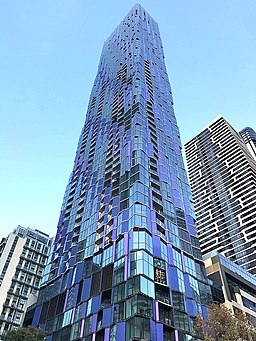
Light House Melbourne
Architectural and Technical Features of Light House Melbourne
Light House Melbourne is a striking residential skyscraper that redefines urban living in Melbourne’s CBD. With its bold geometric façade and innovative engineering, this high-rise offers a blend of functionality, sustainability, and modern architectural aesthetics. Designed to accommodate the growing demand for premium apartments in the city, Light House Melbourne integrates advanced construction techniques with cutting-edge technology. This article explores the technical specifications and design parameters that contribute to its prominence.
Structural and Architectural Elements
Building Dimensions and Design
- Height: Approximately 217 meters, making it one of Melbourne’s tallest residential towers.
- Floors: 69 levels, comprising high-end residential apartments and amenity spaces.
- Architectural Style: Unique twisting façade with reflective glass cladding and angular panel arrangements.
- Structural System: Reinforced concrete core with post-tensioned slabs for stability and strength.
Foundation and Load Distribution
- Deep pile foundation system anchored into bedrock to ensure robust structural support.
- Shear walls and core system providing lateral stability against wind and seismic forces.
- Optimized column placement for efficient load transfer and enhanced space utilization.
Sustainability and Green Features
Energy Efficiency
- Double-glazed windows improving thermal insulation and reducing heat transfer.
- Automated LED lighting adjusting based on occupancy and daylight availability.
- High-performance HVAC systems optimizing energy consumption while maintaining indoor comfort.
Water Conservation
- Rainwater harvesting system supporting irrigation and sanitary usage.
- Greywater recycling reducing freshwater dependency for non-drinking applications.
- Efficient plumbing fixtures minimizing water waste without compromising functionality.
Indoor Environmental Quality
- Optimized ventilation systems ensuring high indoor air quality.
- Low-VOC materials reducing pollutants from paints and finishes.
- Biophilic design incorporating greenery and maximizing natural light for occupant well-being.
Technological Integration
Smart Building Systems
- IoT-enabled automation streamlining heating, cooling, and security operations.
- AI-driven predictive maintenance identifying structural concerns before they escalate.
- Touchless access systems improving security and convenience for residents.
Connectivity and Digital Infrastructure
- High-speed broadband networks ensuring seamless digital connectivity.
- Smart elevators utilizing AI-driven scheduling for efficient vertical transport.
- Integrated security solutions combining biometric access and surveillance technology.
Conclusion
Light House Melbourne stands as a beacon of modern high-rise architecture, merging sustainability, technology, and striking design. Through its innovative engineering solutions and forward-thinking approach to urban living, it sets a benchmark for residential skyscrapers in Melbourne. As the city continues to evolve, Light House Melbourne remains a testament to cutting-edge construction and environmental responsibility.
