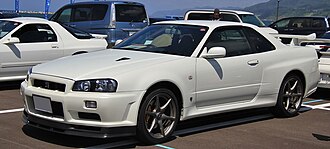
Nissan Skyline GT-R as a Used Car: Is This Japanese Legend Worth Buying?
The Nissan Skyline GT-R is one of the most legendary performance cars ever produced in Japan. For decades, it has represented the perfect combination of advanced engineering, motorsport heritage, impressive performance and unmistakable Japanese automotive character. Known affectionately as Godzilla, the Skyline GT-R earned its reputation through victories in touring car racing, technological innovation and its ability to challenge some of the world’s most respected sports cars. Even today, the GT-R remains highly desirable among enthusiasts, collectors and drivers who appreciate mechanical engineering and the unique character of Japanese performance vehicles.
Buying a Nissan Skyline GT-R as a used car is, however, a very different experience from purchasing an ordinary second-hand sports coupe. These vehicles are now considered modern classics, and their age, performance capabilities, limited production numbers and increasing collector appeal make the buying process particularly important. A well-maintained example can provide an extraordinary driving experience and potentially become a valuable collector’s car, while a neglected or poorly modified vehicle can quickly become an expensive project. The condition of the engine, transmission, turbochargers, drivetrain, bodywork and electrical systems should therefore be examined carefully before making a purchase.
The Skyline GT-R is also not a single model but a family of performance cars produced across several generations. The most famous versions are the R32, R33 and R34, all equipped with the legendary RB26DETT twin-turbocharged six-cylinder engine. Each generation has its own characteristics, strengths and weaknesses, and choosing between them depends on budget, intended use, personal preferences and expectations. The later Nissan GT-R R35 continued the GT-R performance tradition but was no longer officially a Skyline, making it a separate model when discussing the classic Skyline GT-R.
In this comprehensive buying guide, we will examine what makes the Nissan Skyline GT-R such a special used car, explore its different generations, discuss engine performance and reliability, identify the most common mechanical problems, explain what to check before purchasing and provide a technical specification comparison to help prospective owners make an informed decision.
The History and Legacy of the Nissan Skyline GT-R
The Nissan Skyline GT-R name has a long history that stretches back to the late 1960s. The original GT-R was introduced as a high-performance version of the Skyline and quickly established a reputation in Japanese motorsport. Its early success was based on a relatively simple philosophy: combine a powerful six-cylinder engine with a lightweight body and a chassis capable of handling demanding racing conditions. The original models demonstrated that Japanese manufacturers could compete successfully against established European and American performance brands.
The modern GT-R legend, however, is primarily associated with the return of the model in 1989. Nissan introduced the Skyline GT-R R32 with an advanced all-wheel-drive system, a sophisticated multi-link suspension and the famous RB26DETT engine. The car was developed with motorsport ambitions, and its dominance in the Japanese Touring Car Championship helped establish the nickname Godzilla. Its performance and technological sophistication made it a landmark vehicle in the development of Japanese sports cars.
The R33 and R34 generations continued this tradition, introducing improvements in chassis design, stability, electronics and performance. Although the R33 was sometimes overshadowed by the more compact R32 and the visually distinctive R34, it offered excellent handling and a more mature driving experience. The R34 subsequently became particularly famous thanks to its appearance in popular automotive culture, video games and films, which significantly increased international interest in the model.
Today, the classic Skyline GT-R is much more than an old Japanese performance car. It represents an important period in automotive history when manufacturers were experimenting with advanced turbocharging, electronically controlled all-wheel drive and high-performance engines. This heritage is one of the main reasons why the GT-R remains so desirable on the used-car market.
Nissan Skyline GT-R Generations: Which One Should You Buy?
Choosing the right generation is one of the most important decisions when purchasing a used Skyline GT-R. Although the R32, R33 and R34 share the same basic engine architecture and general engineering philosophy, they differ in dimensions, styling, chassis characteristics, technology and market value.
Nissan Skyline GT-R R32 (1989–1994)
The generation that revived the GT-R legend.
The Nissan Skyline GT-R R32 is widely regarded as one of the most important Japanese performance cars of all time. Introduced in 1989, it brought the GT-R name back after a long absence and established the technological foundation used by subsequent generations. Its relatively compact dimensions, aggressive styling and motorsport-inspired engineering made it an extremely capable sports car.
The R32 is powered by the 2.6-litre RB26DETT inline-six engine, featuring two turbochargers, a cast-iron engine block and an advanced cylinder-head design. Nissan officially quoted 280 PS under Japan’s manufacturers’ voluntary power agreement, although actual output and individual engine condition can vary. The engine became famous for its durability and tuning potential, with enthusiasts frequently modifying it to produce considerably more power than the original factory specification.
One of the R32’s most important features is its ATTESA E-TS all-wheel-drive system. Under normal conditions, the car behaves primarily like a rear-wheel-drive vehicle, but the system can transfer torque to the front wheels when additional traction is required. This gives the R32 impressive acceleration and stability, particularly when driving on wet or slippery surfaces. The Super-HICAS four-wheel steering system also contributes to its handling characteristics.
As a used car, the R32 has several advantages. It is relatively compact, mechanically straightforward compared with newer performance vehicles and offers a direct connection between the driver and the road. Its age, however, means corrosion, deteriorating rubber components, electrical problems and previous modifications must be taken seriously. A structurally sound, well-documented example is far more desirable than a superficially attractive car with hidden damage.
Nissan Skyline GT-R R33 (1995–1998)
A more mature and stable interpretation of the GT-R concept.
The R33 generation is sometimes overlooked by enthusiasts who prefer the smaller R32 or the more famous R34. Nevertheless, the Nissan Skyline GT-R R33 is an extremely capable sports car that offers a different interpretation of the GT-R formula. It has a longer wheelbase, a larger body and a more stable chassis, making it particularly comfortable during high-speed driving.
The R33 continued to use the RB26DETT engine, but Nissan improved several aspects of the vehicle’s engineering. The suspension, chassis rigidity and overall driving behaviour were refined, resulting in a car that feels more composed and predictable at high speeds. The ATTESA E-TS all-wheel-drive system was also retained, providing excellent traction and confidence when accelerating out of corners.
One of the most interesting versions is the GT-R V-Spec, which received additional performance-oriented equipment and chassis-related improvements. The V-Spec models are particularly attractive to collectors because of their more specialised specification and association with Nissan’s performance development programme.
For a used-car buyer, the R33 can be an interesting alternative to the R32 and R34. Depending on the market, condition and specification, it may offer a more accessible entry into classic Skyline GT-R ownership. Its larger dimensions can also make it feel more comfortable on ordinary roads, although it is still a relatively old, specialised performance vehicle rather than a practical everyday family car.
Nissan Skyline GT-R R34 (1999–2002)
The most recognisable classic Skyline GT-R generation.
The Nissan Skyline GT-R R34 is arguably the most famous generation among modern enthusiasts. Introduced in 1999, it combined the traditional GT-R engineering philosophy with a more modern chassis, distinctive styling and improved driver information systems. Its aggressive appearance, compact proportions and motorsport-inspired details made it an instant icon.
The R34 uses an improved version of the RB26DETT engine, retaining the 2.6-litre displacement and twin-turbocharger configuration. It also features a six-speed Getrag manual transmission, which distinguishes it from the five-speed gearbox used in earlier standard GT-R generations. This transmission provides a more modern driving experience and is particularly appreciated by enthusiasts.
One of the most recognisable features of the R34 is its multifunction display, which provides information about vehicle performance and operating conditions. The interior also has a more modern appearance than that of the earlier generations, although it is still relatively simple by contemporary luxury-car standards.
Special versions such as the V-Spec, V-Spec II, M-Spec and Nür models are particularly sought after. Their differences can include suspension tuning, braking equipment, body components, interior details and engine-related specifications. The Nür editions are especially interesting because of their motorsport associations and limited production.
The biggest disadvantage of buying an R34 today is its price. Its international popularity and limited availability have pushed values significantly higher than those of many ordinary used sports cars. Finding an original, unmodified and well-documented example can be difficult, and buyers should be prepared to pay a substantial premium for excellent condition and desirable factory specifications.
Engine and Performance: The Legendary RB26DETT
The RB26DETT is arguably the most important mechanical component of the classic Skyline GT-R. This 2.6-litre inline-six engine features a cast-iron block, an aluminium cylinder head, twin turbochargers and a robust internal architecture. It was developed with high-performance applications in mind and became famous for its ability to withstand significant increases in power when properly maintained and correctly modified.
The engine’s official factory output was generally advertised as 280 PS, following the Japanese manufacturers’ voluntary horsepower agreement of the period. However, the RB26DETT has considerably more potential than its original published figures suggest. Depending on the generation, engine condition, turbochargers, fuel system, engine management and supporting modifications, substantially higher power levels can be achieved.
The RB26DETT is particularly appreciated for its smooth power delivery and distinctive inline-six character. Unlike some smaller turbocharged engines, it offers a relatively broad performance range and a mechanical feel that is increasingly rare in modern vehicles. The twin-turbocharger arrangement helps the engine deliver strong acceleration, while the engine’s tuning potential has made it a favourite among Japanese performance specialists.
However, buyers should not assume that every RB26DETT is automatically reliable simply because the engine has a strong reputation. These engines are now decades old, and their condition depends heavily on maintenance history, previous owners, operating temperatures, lubrication and the quality of modifications. Poorly tuned examples, engines that have experienced overheating and cars used extensively for motorsport can require expensive repairs.
What Makes the RB26DETT Special?
The RB26DETT’s appeal comes from several engineering characteristics that work together to create a highly capable performance engine. Its inline-six configuration provides smooth operation and excellent mechanical balance, while the twin-turbocharger system delivers strong acceleration. The cast-iron block provides a solid foundation for increased power, and the engine’s established aftermarket support makes it possible to source many performance and replacement components.
Another major advantage is the extensive knowledge available within the Skyline enthusiast community. Specialist workshops have decades of experience rebuilding, tuning and maintaining RB26 engines. This makes the engine easier to understand and support than many rare performance units for which technical information and specialist parts are difficult to find.
Nevertheless, the RB26DETT requires proper servicing and careful monitoring. Regular oil changes, cooling-system maintenance, timing-belt replacement and correct ignition and fuel-system operation are essential. Buyers should also pay attention to oil pressure, compression, unusual mechanical noises, exhaust smoke and evidence of previous overheating.
Factory Performance Versus Modified Cars
A standard Skyline GT-R is already a very capable sports car, so there is no need to purchase a heavily modified example to enjoy its performance. In fact, an original vehicle can be the better investment because it is easier to evaluate, maintain and insure, and it generally has a stronger appeal among collectors.
Modified cars can offer impressive performance, but the quality of the work is more important than the advertised horsepower figure. A vehicle with a large turbocharger, upgraded fuel injectors and a standalone engine management system may produce considerably more power than standard, but this also places additional demands on the engine, gearbox, clutch, cooling system and drivetrain.
A poorly executed modification can create problems that are difficult and expensive to diagnose. Buyers should therefore request documentation for every major upgrade, including invoices, engine specifications, tuning records and information about the workshop responsible for the work.
Reliability: Is the Nissan Skyline GT-R a Reliable Used Car?
The Nissan Skyline GT-R has a reputation for robust engineering, but reliability must be considered in the context of the vehicle’s age. Even the newest R34 examples are now more than two decades old, while the R32 and R33 are considerably older. Rubber seals, hoses, electrical connectors, suspension bushings and other components deteriorate with time, regardless of how carefully a vehicle was originally designed.
A well-maintained Skyline GT-R can be dependable for recreational driving, but it is not comparable to a modern Japanese family car in terms of maintenance costs or ease of ownership. Specialist knowledge is important, replacement parts can be expensive and certain original components may be difficult to source. The car should therefore be purchased with a realistic maintenance budget rather than with the expectation of inexpensive ownership.
The most important factor is the individual vehicle’s condition. A high-mileage car with a complete service history and regular specialist maintenance may be a much better purchase than a low-mileage example that has spent years standing unused or has been modified without proper documentation.
Common RB26DETT Engine Problems
Although the RB26DETT is a strong engine, several known weaknesses deserve attention during a pre-purchase inspection. One of the most frequently discussed concerns is the oil pump drive system, particularly on engines that are regularly operated at high revolutions. Later and upgraded oil-pump components are often used to improve reliability, especially in heavily modified applications.
Oil-pump condition and oil pressure should be checked carefully, particularly if the vehicle has a history of track use or high-performance modifications. Insufficient lubrication can cause serious engine damage, and a problem that initially appears relatively minor can quickly become a major repair.
Another area worth investigating is the turbocharger system. The original turbochargers can deteriorate with age, and their condition depends on lubrication, operating temperatures and previous use. Excessive shaft play, oil leakage, unusual noises or excessive smoke should be investigated by a specialist.
Cooling-system problems are also important. Ageing radiators, hoses, thermostats, water pumps and fans can reduce cooling efficiency. An engine that has previously overheated may have suffered damage that is not immediately visible during a short test drive.
Finally, the ignition system and engine management should be checked. Misfires, unstable idle, poor acceleration and excessive fuel consumption can indicate worn ignition components, sensor faults, vacuum leaks or incorrect tuning.
Transmission and Drivetrain Issues
The manual transmissions used in the Skyline GT-R are generally strong when maintained properly, but their condition should never be taken for granted. Hard launches, aggressive clutch operation, excessive engine torque and repeated track use can accelerate wear. Buyers should check for difficult gear engagement, grinding noises, clutch slip and unusual vibrations during acceleration.
The ATTESA E-TS all-wheel-drive system is another essential component that requires attention. It is one of the defining features of the GT-R, but repairs can be expensive if the system has been neglected or damaged. Warning lights, abnormal noises and unusual behaviour under acceleration should be investigated before purchase.
The differential, driveshafts, wheel bearings and suspension components also deserve attention. Clunking sounds when changing between acceleration and deceleration can indicate worn drivetrain components, although the exact cause requires professional diagnosis.
The R34’s six-speed Getrag gearbox is particularly desirable, but it should still be checked for smooth operation and evidence of previous abuse. Its replacement or repair can represent a significant expense, making a proper inspection essential.
Electrical Problems and Age-Related Wear
Electrical faults are common concerns in older performance cars, and the Skyline GT-R is no exception. Ageing wiring, corroded connectors, deteriorating relays and failing sensors can produce intermittent problems that are difficult to diagnose.
The dashboard instruments, multifunction display on the R34, air-conditioning system, electric windows, lighting and other electrical equipment should all be tested. Buyers should also verify that the engine management system and any aftermarket electronics have been installed correctly.
Interior condition can provide useful clues about the vehicle’s history. Excessive wear on the steering wheel, seats, pedals and gear lever may suggest more intensive use than the odometer indicates. Missing trim pieces and poorly repaired interior components can also indicate that the car has been dismantled or modified extensively.
Rust and Bodywork: One of the Most Important Buying Considerations
When purchasing an older Nissan Skyline GT-R, rust can be a more serious problem than many mechanical faults. Engine components can often be rebuilt or replaced, but extensive structural corrosion can make a vehicle uneconomical to restore. This is particularly important for cars imported from regions where road salt, humidity or poor storage conditions have accelerated corrosion.
The wheel arches, rear quarters, sills, floor panels, boot area and suspension mounting points should be inspected carefully. Particular attention should be paid to the underside of the vehicle, where corrosion can remain hidden behind protective coatings or previous repairs.
A car that looks excellent from the outside may have significant corrosion underneath. For this reason, a professional inspection on a vehicle lift is strongly recommended. The inspector should look for fresh underseal, uneven welds, signs of accident repairs and differences in paint thickness that could indicate previous bodywork.
The condition of the original panels also matters. A vehicle with factory body panels and documented repairs is often more attractive to collectors than one with extensive aftermarket bodywork. However, quality repairs performed to a high standard are preferable to untreated corrosion, particularly when the vehicle is intended for regular use.
Accident Damage and Previous Repairs
The Skyline GT-R’s performance reputation means that many examples have been driven enthusiastically, modified or used in motorsport. Some cars have also been involved in accidents, and the quality of subsequent repairs can vary considerably.
Check the alignment of body panels, paint consistency, door gaps, bonnet fitment and boot alignment. Signs of structural repairs should be assessed by an experienced specialist. The chassis rails, front structure, suspension mounting areas and rear floor should receive particular attention.
Importantly, an accident history does not automatically make a car unsuitable for purchase. A professionally repaired vehicle with full documentation may still be a good option. However, hidden structural damage, poor welding and undocumented repairs should be treated as serious warning signs.
What to Check Before Buying a Used Nissan Skyline GT-R
Purchasing a Skyline GT-R should involve more than a visual inspection and a short test drive. Because these cars are now valuable classics, the financial consequences of buying a poor example can be substantial. A thorough pre-purchase inspection is one of the best investments a prospective owner can make.
The first step is to verify the vehicle’s identity and documentation. Check the chassis number, registration documents, import paperwork and any available service records. The specification should match the vehicle’s claimed generation and trim level, and buyers should be cautious of cars advertised as rare factory versions without convincing documentation.
The next step is to investigate the ownership and modification history. A complete record of maintenance, repairs and upgrades is extremely useful. Invoices from recognised specialist workshops are particularly valuable because they provide evidence of what has actually been done rather than relying on the seller’s description.
The mechanical inspection should include the engine, turbochargers, cooling system, gearbox, clutch, differentials, suspension and brakes. A compression test and, where appropriate, a leak-down test can help assess the condition of the engine. A diagnostic inspection can also identify faults that may not be immediately apparent.
The vehicle should ideally be inspected when the engine is cold. A seller who has warmed the engine before the buyer arrives may make it more difficult to identify cold-start problems, unusual noises or excessive smoke. During the test drive, the car should accelerate smoothly, maintain stable temperatures and demonstrate predictable drivetrain operation.
Finally, buyers should evaluate the cost of returning the vehicle to their preferred condition. A cheaper GT-R may require expensive work on the body, engine, suspension or electrical system. A more expensive but well-maintained example can therefore represent better long-term value.
Pre-Purchase Inspection Checklist
| Area | What to inspect |
|---|---|
| Engine | Compression, oil pressure, leaks, unusual noises and smoke |
| Turbochargers | Shaft play, boost behaviour, oil leakage and noises |
| Cooling system | Radiator, hoses, thermostat, water pump and operating temperature |
| Timing system | Timing-belt history and associated component replacement |
| Gearbox | Smooth gear changes, grinding and abnormal noises |
| Clutch | Engagement, slipping and pedal behaviour |
| ATTESA E-TS | Warning lights, leaks and correct operation |
| Differentials | Noises, vibrations and fluid condition |
| Suspension | Bushings, dampers, joints and alignment |
| Brakes | Disc condition, calipers, hoses and braking performance |
| Bodywork | Rust, accident damage, paint quality and panel alignment |
| Interior | Seat condition, instruments, trim and electrical equipment |
| Documentation | Chassis identity, registration, service history and import records |
| Modifications | Quality of installation, invoices and tuning documentation |
Maintenance Costs and Spare Parts Availability
One of the biggest differences between owning a Skyline GT-R and owning an ordinary used Japanese car is the cost of maintenance. Although Nissan manufactured the GT-R using a relatively robust mechanical platform, many original components are now old, specialised or increasingly difficult to obtain.
Routine maintenance should include regular engine oil and filter changes, inspection of the cooling system, replacement of ageing hoses, brake-fluid changes and careful monitoring of drivetrain fluids. The timing belt should be replaced according to the applicable service schedule and the engine’s documented maintenance history. When buying a car without reliable proof of replacement, it is sensible to budget for this work immediately.
The RB26DETT has excellent aftermarket support, which is a major advantage. Many specialist companies produce replacement and performance parts, and workshops with experience of these engines can provide servicing and repair services. However, specialist parts are not always inexpensive, and genuine original components may command particularly high prices.
The availability of spare parts also depends on the generation. Some R32 and R33 components are more difficult to source than parts for newer vehicles, while rare R34 and special-edition components can be extremely expensive. Body panels, interior trim, original wheels and specific electronic components deserve particular consideration because replacing them may require specialist suppliers or international shipping.
Potential owners should also remember that purchase price is only one part of the overall cost. Insurance, registration, import-related expenses, storage, servicing and unexpected repairs can significantly increase the cost of ownership.
Is the Nissan Skyline GT-R Suitable for Everyday Driving?
The Skyline GT-R can be driven on public roads and used for regular recreational journeys, but its suitability as an everyday car depends on the owner’s expectations. These vehicles were designed as high-performance sports cars, not as modern comfort-oriented daily drivers. Their suspension is relatively firm, visibility can be limited compared with contemporary vehicles, and the cabin lacks many of the convenience features found in newer cars.
Fuel consumption is another important consideration. The RB26DETT is a performance engine, and its fuel consumption increases significantly when the turbochargers are used frequently. In ordinary driving, consumption depends on vehicle condition, gearing, tuning and driving style, but buyers should not expect modern hybrid or economical family-car figures.
The car can also be less convenient in heavy urban traffic. The manual transmission, relatively firm clutch, limited parking visibility and ageing air-conditioning equipment can make daily use less comfortable than expected. Older vehicles may also require more frequent attention to small mechanical and electrical issues.
On the other hand, the GT-R offers something that many modern vehicles cannot easily reproduce. The sound of the inline-six engine, the boost from the twin turbochargers, the mechanical character of the drivetrain and the feeling of an advanced analogue performance car make it a memorable driving experience. For enthusiasts who appreciate these qualities, the compromises can be worthwhile.
For most buyers, the best approach is to use the Skyline GT-R as a weekend car, enthusiast vehicle or occasional long-distance sports coupe. This allows the owner to enjoy its performance while reducing unnecessary wear and preserving its condition.
Nissan Skyline GT-R as an Investment: Will It Hold Its Value?
The classic Skyline GT-R has become an increasingly important collector car, particularly in international markets where Japanese performance vehicles have gained significant recognition. The R32, R33 and R34 generations are now regarded as important pieces of automotive history, and their limited supply contributes to their desirability.
However, buying a GT-R should not be treated as a guaranteed investment. Market prices can fluctuate, and the value of an individual vehicle depends on condition, originality, mileage, specification, provenance and documentation. A rare model with factory-correct equipment and a well-documented history may be significantly more desirable than a heavily modified car with similar performance.
The R34 is particularly attractive to collectors because of its international cultural influence and limited availability. Special versions such as the V-Spec II Nür and M-Spec Nür have additional appeal due to their rarity. The R32 also enjoys a strong reputation because of its motorsport achievements, while the R33 can represent an interesting alternative for buyers who want the classic GT-R experience without necessarily paying the highest premium.
Originality is especially important when considering future resale value. Reversible modifications may be acceptable to some buyers, but extensive body modifications, engine swaps and undocumented performance upgrades can reduce the appeal of a vehicle to collectors.
A prospective buyer should therefore prioritise condition, originality and service history rather than simply purchasing the cheapest available example or assuming that every GT-R will appreciate in value.
Importing a Nissan Skyline GT-R: What Buyers Should Know
Many Skyline GT-R models were originally sold in Japan, meaning that buyers in Europe and other international markets frequently encounter imported examples. Importing can provide access to a wider selection of vehicles, but it also introduces additional considerations that should be addressed before completing a purchase.
The first issue is the vehicle’s legal status. Buyers must verify that the car can be registered and operated legally in their country. Depending on local legislation, this may involve checking emissions requirements, vehicle age restrictions, lighting specifications, roadworthiness standards and documentation.
In the European Union, for example, imported vehicles may be subject to customs procedures, VAT and national registration requirements. The exact obligations depend on the vehicle’s origin, import route, age and applicable regulations. Buyers should obtain reliable information from the relevant customs and registration authorities before paying for a vehicle.
The second issue is the vehicle’s history. Japanese auction sheets can be useful, but they should not be treated as unquestionable proof of condition. It is important to understand the grading system, verify the chassis number and have the vehicle inspected independently whenever possible.
Mileage should also be verified carefully. Older imported cars may have incomplete service histories, and dashboard readings alone are not sufficient evidence of the vehicle’s actual condition. Records of inspections, servicing, previous ownership and auction documentation can help establish a more reliable picture.
Finally, consider the total landed cost rather than the advertised purchase price. Shipping, customs duties, VAT, transport, registration, technical modifications and specialist inspections can add significantly to the final expense.
Which Nissan Skyline GT-R Is the Best Used-Car Purchase?
There is no universal answer because each generation appeals to a different type of buyer. The R32 is particularly attractive to enthusiasts who appreciate the original modern GT-R concept, relatively compact dimensions and motorsport heritage. It offers a direct and mechanical driving experience, but its age makes rust prevention and maintenance history especially important.
The R33 is an excellent option for those who prefer a more mature chassis and a stable high-speed driving experience. It is sometimes overlooked, which can make it an interesting alternative, although condition and market pricing should always take priority over the assumption that it is automatically cheaper or better value.
The R34 is the most desirable choice for many collectors and enthusiasts who want the most modern interpretation of the classic Skyline GT-R. Its styling, six-speed manual transmission and cultural significance make it exceptionally appealing, but its market value can make ownership considerably more expensive.
For a buyer primarily interested in driving rather than collecting, a well-maintained R32 or R33 may provide a more sensible balance between purchase price and performance, depending on the specific market. For someone looking for a long-term collector vehicle, an original R34 or a rare factory version may be more appealing.
The most important rule is simple: buy the condition, not just the generation. A properly maintained example of a less fashionable model is usually a better purchase than a neglected example of the most desirable version.
Technical Specifications of the Nissan Skyline GT-R
The following table provides a general comparison of the three classic Skyline GT-R generations. Figures refer to standard road-going models and can vary slightly depending on production year, trim level and market. Factory output is generally quoted at 280 PS for these Japanese-market models; special competition vehicles and modified cars have different specifications.
Nissan Skyline GT-R R32, R33 and R34 – Specification Comparison
| Specification | R32 GT-R | R33 GT-R | R34 GT-R |
|---|---|---|---|
| Production period | 1989–1994 | 1995–1998 | 1999–2002 |
| Chassis code | BNR32 | BCNR33 | BNR34 |
| Engine | RB26DETT | RB26DETT | RB26DETT |
| Engine configuration | Inline-6, DOHC, twin-turbo | Inline-6, DOHC, twin-turbo | Inline-6, DOHC, twin-turbo |
| Displacement | 2,568 cc | 2,568 cc | 2,568 cc |
| Factory power | 280 PS | 280 PS | 280 PS |
| Factory torque | 353 Nm | 368 Nm | 392 Nm |
| Transmission | 5-speed manual | 5-speed manual | 6-speed manual |
| Drivetrain | ATTESA E-TS AWD | ATTESA E-TS AWD | ATTESA E-TS AWD |
| Rear-wheel steering | Super HICAS | Super HICAS | Super HICAS |
| Front suspension | Multi-link | Multi-link | Multi-link |
| Rear suspension | Multi-link | Multi-link | Multi-link |
| Turbochargers | Twin turbo | Twin turbo | Twin turbo |
| Body style | 2-door coupe | 2-door coupe | 2-door coupe |
| Overall character | Compact and raw | Stable and refined | Modern and precise |
Note: These are commonly quoted standard-model reference figures, not guaranteed specifications for every individual car. Special editions, market differences and aftermarket modifications can change the figures. Nissan’s historical records provide the original model information and confirm the R32’s 2,568 cc RB26DETT, five-speed transmission and 280 PS factory rating.
Advantages and Disadvantages of Buying a Nissan Skyline GT-R
Before deciding whether the Skyline GT-R is the right used car, it is worth considering its advantages and disadvantages objectively. Its reputation is well deserved, but owning a classic high-performance Japanese vehicle involves compromises that should not be ignored.
Main Advantages
1. Legendary engine and performance
The RB26DETT is one of the most respected Japanese performance engines ever produced. Its inline-six configuration, twin turbochargers and excellent tuning potential make it attractive to enthusiasts who appreciate traditional mechanical engineering. Even in standard form, the engine offers exciting performance, while carefully developed upgrades can take it to considerably higher power levels.
2. Advanced all-wheel-drive technology
The ATTESA E-TS system gives the Skyline GT-R excellent traction and stability. Its electronically controlled torque distribution helps the car maintain grip when accelerating, particularly on roads where conditions are less than ideal. Combined with the Super HICAS rear-wheel steering system, it contributes to the GT-R’s distinctive handling characteristics.
3. Outstanding motorsport heritage
The GT-R is not simply a sports car with an attractive badge. Its reputation was built through genuine motorsport success, particularly the R32’s extraordinary record in Japanese touring car racing. This history gives the vehicle a special place in automotive culture and makes it particularly appealing to collectors.
4. Excellent tuning potential
The RB26DETT has a huge aftermarket ecosystem. Engine components, turbocharger upgrades, suspension systems, braking equipment and electronic management solutions are available from numerous specialist manufacturers. This allows owners to personalise their vehicles for road use, track driving or higher-performance applications.
5. Strong enthusiast and collector appeal
The R32, R33 and R34 have international recognition. Their distinctive design, engineering and history ensure that they remain interesting to enthusiasts around the world. Original and well-preserved examples can be particularly desirable.
Main Disadvantages
1. High purchase price
The Skyline GT-R is no longer an inexpensive Japanese sports car. Desirable examples can command substantial prices, particularly R34 models and limited editions. Buyers must be prepared to pay for condition, originality and documentation.
2. Expensive maintenance
Although the engine is robust, servicing and repairs require specialist knowledge. Turbocharger replacements, drivetrain repairs, engine rebuilding and restoration work can become expensive, particularly when original components are required.
3. Age-related mechanical problems
Even the newest classic Skyline GT-R models are now more than two decades old. Ageing seals, hoses, electrical components, suspension parts and corrosion can all create problems. Preventive maintenance is essential.
4. Potentially difficult parts sourcing
Some replacement components are relatively easy to obtain, while original bodywork, interior trim and specific electronic components can be difficult or expensive to find. This is particularly relevant for rare editions.
5. Not the most practical everyday vehicle
The GT-R offers excellent performance, but its firm suspension, limited practicality, fuel consumption and ageing equipment make it less convenient than a modern daily driver.
Final Verdict: Should You Buy a Used Nissan Skyline GT-R?
The Nissan Skyline GT-R is an extraordinary used car, but it is not a purchase that should be made purely with emotion. Its engineering, motorsport heritage, performance and iconic status make it one of the most desirable Japanese sports cars ever created. The RB26DETT engine remains a major attraction, while the ATTESA E-TS all-wheel-drive system gives the car a distinctive driving character that continues to impress enthusiasts decades after its introduction.
For buyers who want a classic Japanese sports car with strong performance and an engaging driving experience, the R32 and R33 are particularly interesting choices. They offer the essential GT-R formula and retain the character that made the model famous. The R34 is an excellent choice for collectors and enthusiasts who want a more modern version of the classic platform, but its desirability often comes with a significantly higher purchase price.
The biggest consideration is the condition of the individual vehicle. A well-maintained, largely original GT-R with documented servicing is worth considerably more attention than a cheaper example with extensive modifications, corrosion or an uncertain history. Professional inspection is essential, especially when purchasing an imported car or a vehicle that has been modified for higher performance.
It is also important to have a realistic maintenance budget. The Skyline GT-R is a specialised performance vehicle, and ownership costs can be substantial even when the car is in good condition. Buyers should consider the availability of specialist workshops, replacement parts, insurance and registration requirements before making a final decision.
Ultimately, the Nissan Skyline GT-R is best suited to someone who appreciates Japanese automotive history, understands the responsibilities of owning an older performance car and is willing to invest in proper maintenance. It may not be the cheapest or most practical used sports car, but few vehicles offer the same combination of character, engineering, motorsport heritage and enthusiast appeal. A good example can provide years of enjoyment while preserving an important piece of Japanese automotive history.
